



The Situation on the Ground
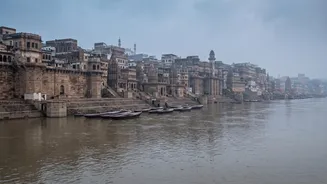
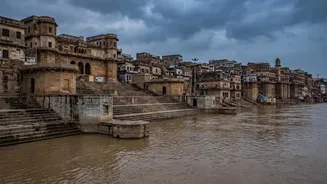
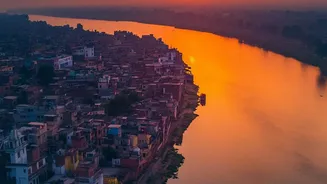
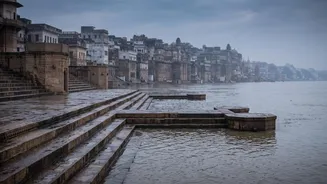
As of early September 2026, the Ganga River in Varanasi has officially crossed the designated warning level. According to the Central Water Commission, the water level was recorded at 70.54 meters on Thursday morning, above the warning mark of 70.26 meters.
While this is still below the official danger level of 71.26 meters, the river has been rising steadily at a rate of about two centimeters per hour. In response, local authorities have taken immediate precautionary measures. The district administration has suspended all boat operations on the river and has urged tourists and residents to avoid the ghats, the iconic steps leading down to the water. The situation is compounded by the swelling of the Varuna river, a tributary, which has caused waterlogging and flooding in several low-lying residential areas. Officials have set up 13 relief camps to house displaced families, with hundreds of people already affected.
How Flooding Changes the Varanasi Experience
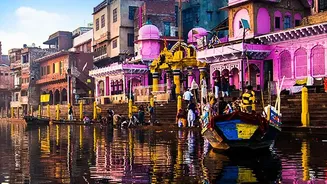
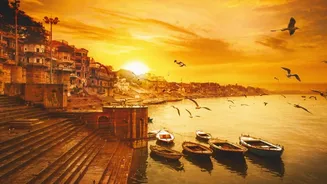
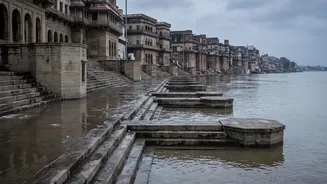
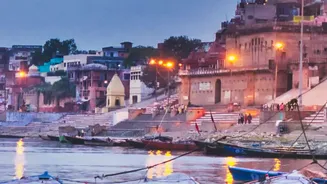
For many travelers, the quintessential Varanasi experience revolves around the riverfront. The current conditions significantly alter or prevent these key activities. With boat rides suspended, the iconic sunrise and sunset tours along the ghats are not possible. Many of the ghats themselves, including prominent ones like Assi Ghat, are partially or fully submerged. This restricts access for morning rituals, evening strolls, and photography. Critically, the flooding has also impacted last rites at the famous cremation grounds. Manikarnika Ghat, one of the primary sites, has been inundated, forcing cremations to be moved to the rooftops of adjacent buildings. Families are having to navigate knee-deep water and use boats to transport their deceased loved ones to the pyres. While the famous evening Ganga Aarti ceremony at Dashashwamedh Ghat continues, it has been moved to higher ground or rooftops in the past during similar flood situations and may be again if waters continue to rise.
Should You Postpone Your Trip?
Whether to cancel or postpone depends entirely on your travel priorities and flexibility. If your itinerary is heavily focused on river-based activities—boating, exploring the full expanse of the ghats, and observing rituals from the water—the current situation will be a major disappointment. The city's most recognizable experiences are on hold. However, if your interests lie beyond the riverfront, a visit is still possible, albeit with adjustments. The city's major temples, such as the Kashi Vishwanath and Sankat Mochan, remain open and accessible. The labyrinthine alleyways of the old city, the bustling markets, and the vibrant street food scene are largely unaffected, though some low-lying areas may experience waterlogging. A trip to nearby Sarnath, the site of Buddha's first sermon, is also a viable option. Travelers with imminent plans should check with their hotels about accessibility, especially if they are located directly on the ghats.
Advice for Those Still Traveling
If you decide to proceed with your trip, or are already in Varanasi, prioritizing safety is paramount. Heed all official warnings and stay away from the river's edge and any visibly flooded areas. The monsoon season also brings a heightened risk of waterborne diseases and mosquito-borne illnesses like dengue. Drink only sealed bottled water, avoid ice from unknown sources, and use a strong mosquito repellent. The weather forecast predicts more rain for the region, which could cause water levels to rise further toward the danger mark. Keep a close eye on local news reports and be prepared for disruptions. Pack waterproof footwear and a reliable raincoat. While the flooded ghats present a dramatically different scene, you can still experience the city's essence by exploring its temples, sampling food away from the river, and perhaps finding a rooftop cafe to safely observe the powerful, swollen Ganga from a distance.