







The Allure and Myth of Bulk Buying
The idea of a fully stocked pantry, brimming with large sacks of rice, oversized bottles of oil, and jumbo packs of spices, feels like a mark of a well-managed home. Warehouse clubs and supermarket deals make bulk buying seem like the smartest, most economical
choice. While it can be for certain non-perishable items, the 'more is cheaper' philosophy often backfires. Many staples have a shorter shelf life than we assume, and their quality degrades over time. Buying in bulk only saves money if you use the entire product before it spoils or loses its flavour. The initial higher cost and the need for ample, proper storage space are other hidden downsides that can offset any potential savings. Often, we fall for the psychology of a deal without considering whether we can realistically consume such large quantities.
Freshness Equals Flavour and Nutrition
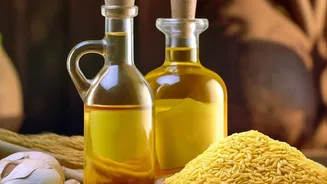
Many pantry items don't last forever, and their quality noticeably declines long before they are unsafe to eat. Whole wheat flour, with its natural oils, can go rancid in a matter of months, lending a sour taste to your rotis and baked goods. Spices are another major culprit; ground spices like turmeric and cumin start losing their aromatic potency after just six months to a year. While they may not harm you, old spices will fail to deliver the vibrant flavour your cooking deserves. Cooking oils can also go rancid, developing an unpleasant smell and taste that can ruin a dish. Even brown rice has a shorter shelf life than white rice due to its oil content. When you buy smaller quantities more frequently, you ensure that your ingredients are at their peak freshness, resulting in more flavourful and aromatic meals.
The Staggering Cost of Food Waste
The food we throw away has a significant financial and environmental impact. In India, households are a massive contributor to food waste, discarding millions of tonnes of food annually. Reports suggest that Indian households waste an average of 50-55 kg of food per person each year. This wastage carries a colossal economic cost, amounting to thousands of crores annually. When you toss out that half-used bag of stale flour or those flavourless old spices, you are literally throwing money away. Beyond the household budget, food waste has broader implications, contributing to greenhouse gas emissions from landfills and representing a squandering of the resources—water, land, and labour—used to produce it.
Smart Pantry Strategies for Modern Kitchens
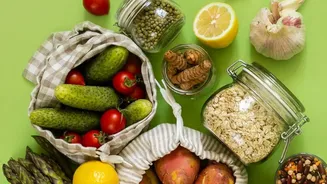
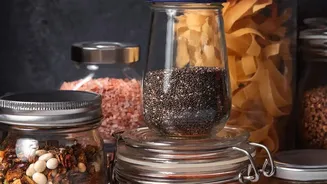
Adopting a 'buy as you need' approach doesn't mean daily trips to the store. It means being strategic. First, take inventory of your pantry before you shop. Knowing what you have prevents accidental re-buys. Create a weekly meal plan to determine exactly which ingredients you'll need and in what amounts. For staples like flours, spices, and oils, buy the smallest package that suits your cooking frequency. It might seem more expensive per unit, but it eliminates the cost of waste. Organize your pantry by grouping similar items together and using clear, airtight containers. This not only keeps food fresh but also lets you see what you have at a glance. Implement the 'First In, First Out' (FIFO) method: when you buy a new item, place it behind the older one to ensure you use up the existing stock first.