






The Gamble of Open-Field Farming
For generations, strawberry cultivation in India has been concentrated in regions with cool climates, like Mahabaleshwar, which accounts for about 85% of the country's production. However, this traditional method is a high-stakes gamble. Farmers are entirely
at the mercy of the weather. A single bout of unseasonal heavy rain or a sudden temperature spike can wipe out an entire crop, turning a potential profit into a massive loss. Beyond the weather, open-field crops are vulnerable to soil-borne diseases, pests, and inconsistent water supply, which all impact yield and fruit quality. This uncertainty makes it difficult for farmers to guarantee the consistent, high-quality produce that urban markets and premium buyers now demand.
The Rise of a Controlled Revolution
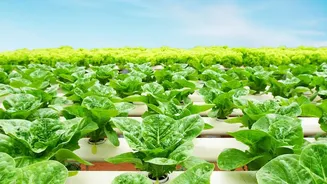
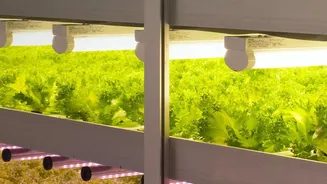
In response to these challenges, a growing number of farmers are embracing Controlled Environment Agriculture (CEA). This involves growing crops inside structures like polyhouses or greenhouses, or using soilless methods like hydroponics and vertical farming. In a polyhouse, a transparent polyethylene sheet creates a shield against harsh weather, allowing for better management of temperature and humidity. Hydroponics takes this a step further, eliminating soil altogether. Plants are grown in a substrate like coco peat, and a nutrient-rich water solution is delivered directly to the roots. This method drastically reduces the risk of soil-borne diseases and gives growers precise control over plant nutrition.
Berries by the Numbers
The move indoors comes with significant, measurable advantages. One of the most critical benefits is water conservation; hydroponic systems can use 70-90% less water than traditional soil-based farming, a crucial factor in a water-stressed country. Yields can also see a dramatic increase. While open-field farming might support around 20,000 plants per acre, a soilless polyhouse can accommodate up to 30,000 in the same space. Perhaps most importantly, CEA allows for year-round cultivation. Farmers are no longer restricted to a single winter harvest season, enabling them to supply fresh strawberries to the market when demand and prices are high, completely transforming the crop's economics.
A Costly Harvest
Despite the clear benefits, this technological leap is not accessible to everyone. The primary barrier is the high initial investment. A small-scale hydroponic setup on a plot of 1,500-2,500 square feet can cost between ₹2.5 to ₹3.5 lakh. A commercial one-acre polyhouse with full automation can run into ₹10-₹20 lakh or more. These costs, which cover the structure, irrigation systems, lighting, and specialized growing media, are often prohibitive for the small-scale farmers who form the backbone of Indian agriculture. While government subsidies are available under schemes like the National Horticulture Mission, navigating the application process and securing financing remains a significant hurdle, creating a divide between large agritech firms and traditional growers.
The Future of Flavour and Access
This shift is not just changing how strawberries are grown, but also where. Protected cultivation is enabling farming in non-traditional areas like the plains of Haryana and Gujarat, and even in urban centres through vertical farms. For consumers, this could mean more consistent availability of high-quality, blemish-free strawberries throughout the year. Fruits grown in soilless systems do not come into contact with soil, reducing spoilage and the need for pesticides. The result is a cleaner, more premium product that fetches a higher price, often sold directly to hotels, bakers, and urban consumers. This trend is redefining the strawberry from a seasonal treat associated with a specific region to a year-round, high-value commodity available across the country.