








Why AI is So Thirsty
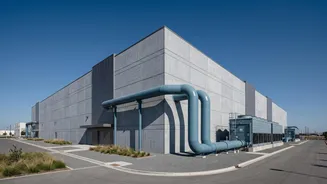
Artificial intelligence doesn't live in the cloud; it lives in massive, energy-intensive buildings called data centres. These facilities are packed with thousands of high-performance computer servers that generate an immense amount of heat while processing
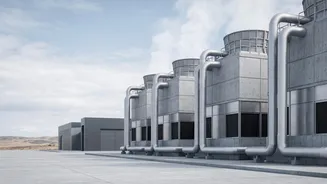
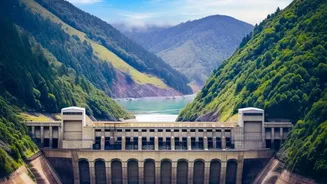
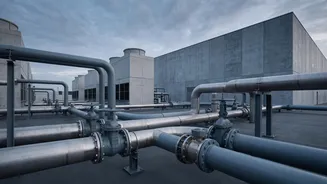
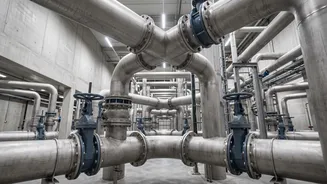
the complex calculations behind AI models. To prevent these expensive components from overheating, operators rely on cooling systems. While there are several methods, a common and efficient approach involves evaporative cooling, which uses water. Much like how sweating cools the human body, these systems evaporate water to dissipate heat from the servers. The sheer scale of modern data centres, especially those optimised for AI, means this process consumes enormous quantities of water, often drawn from local municipal supplies, rivers, or groundwater. This direct consumption is just one part of the equation. Data centres also have a massive indirect water footprint from the thermoelectric power plants that generate the electricity they need, which also use water for cooling.
Putting the Numbers in Perspective
The scale of water consumption is staggering. In 2025, India's data centres were estimated to have consumed 150 billion litres of water, a figure that is projected to more than double by 2030. Training a single large AI model like GPT-3 required an estimated 700,000 litres of direct freshwater cooling. Looking at the bigger picture, researchers estimate that a user's interaction with a chatbot, consisting of 10 to 50 responses, can consume around 500 millilitres of water when indirect uses are factored in. Corporate disclosures paint a similar picture. Microsoft's water consumption grew 34% between 2021 and 2022, a rise it linked directly to its AI expansion. Google's data centres globally consumed over 7.7 billion gallons of water in 2024. A single large data centre can use up to 5 million gallons of water a day, comparable to the water needs of a town of up to 50,000 people.
The Local Impact in a Water-Stressed Nation
This thirst for data is creating significant tension in water-scarce regions, a major concern for India, which has 18% of the world's population but only 4% of its freshwater reserves. Major data centre hubs like Bengaluru, Mumbai, and Chennai are already located in water-stressed areas. In Bengaluru, a city that recently faced a severe water crisis, data centres are adding to the strain on already depleted resources. The situation has sparked public opposition. In Thane, residents have protested a proposed data centre, fearing it will worsen water and electricity shortages. In Visakhapatnam, activists have rallied against a new data centre hub with the message, “We cannot drink DATA,” highlighting the conflict between digital infrastructure and basic needs in a city already facing a water deficit. These conflicts underscore a growing governance challenge, as current regulations in India are not yet equipped to monitor or manage the hydrological footprint of this booming sector.
The Search for Solutions
The tech industry is aware of the growing problem and is exploring solutions. Companies are investing in more efficient cooling technologies that reduce or eliminate water use. Microsoft has promoted a new data centre design for AI that uses a closed-loop system, which recirculates the same water for cooling and only uses outside air or additional water in the hottest conditions. Google has set a goal to replenish more water than it consumes by 2030, investing in water stewardship projects like advanced irrigation for farmers and watershed restoration. Other emerging technologies include direct-to-chip liquid cooling, which is more targeted and efficient, and using recycled or non-potable water for cooling instead of fresh water. However, the challenge remains immense, as the rapid expansion of AI infrastructure continues to drive up overall resource demand, often outpacing the gains from efficiency improvements.