


What is Isobutanol and Why Now?
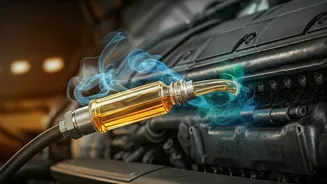
Isobutanol is a four-carbon alcohol that can be produced from renewable biomass like sugarcane, grains, and agricultural waste. While it has long been used as an industrial solvent, its potential as a superior biofuel is now gaining serious attention
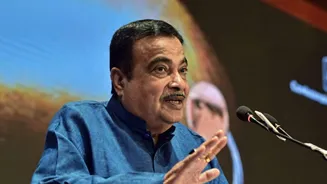
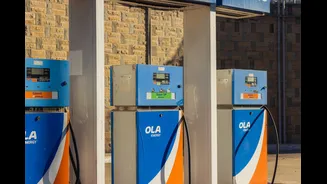
in India. Following the successful rollout of 20% ethanol-blended petrol (E20), the government is now targeting the country's massive diesel consumption. Since ethanol cannot be blended directly with diesel due to chemical incompatibility and safety issues, isobutanol has emerged as the viable alternative. Union Minister Nitin Gadkari has announced that the government is working on a plan to allow up to 15% isobutanol blending with diesel, a move that could significantly impact India's energy landscape.
The Advantages Over Ethanol
While ethanol has been the star of India's biofuel program, isobutanol offers several key advantages, particularly for diesel blending. It has a higher energy density, meaning it provides more kilometres per litre compared to ethanol. Unlike ethanol, which is corrosive and absorbs water (a property called hygroscopicity), isobutanol is less corrosive and doesn't mix with water, making it much safer to transport through existing pipelines and use in engines without causing damage. This 'drop-in' fuel capability means it is more compatible with existing infrastructure and engines, a crucial factor for a nationwide rollout. Its lower volatility also makes it safer to store and handle compared to ethanol.
A Boost for Farmers and the Economy
A large-scale shift to isobutanol could provide a major boost to India's rural economy. The biofuel can be produced from the same feedstocks as ethanol, including surplus sugarcane and damaged food grains. This offers farmers an additional, stable revenue stream and helps manage agricultural surpluses. Existing ethanol production facilities can be retrofitted to produce isobutanol with relatively minor modifications, potentially accelerating its adoption. By creating a domestic market for this advanced biofuel, India can reduce its staggering import bill for crude oil, which would save valuable foreign exchange and insulate the economy from volatile global energy prices.
Challenges on the Road Ahead
Despite the promise, the path to widespread isobutanol adoption has significant hurdles. Firstly, the cost of production is currently higher than for ethanol. Secondly, India would be the first country to attempt a commercial, nationwide rollout of isobutanol-blended diesel, which means there is no established global model to follow. Extensive testing and research are needed to ensure engine compatibility and performance across India's diverse vehicle fleet, from trucks and buses to agricultural equipment. There is also the critical 'food versus fuel' debate; ensuring that biofuel production does not strain the food supply or water resources will be paramount for a sustainable policy.