



The Case for Walking: Cardio and Accessibility
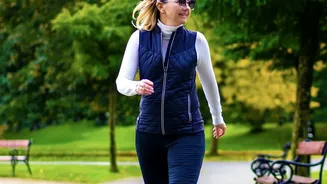
Walking is one of the most accessible forms of exercise available. It requires no special equipment, is free, and can be done almost anywhere. Its primary strength lies in cardiovascular health. A brisk walk elevates your heart rate, improving circulation
and reducing the risk of conditions like heart disease, high blood pressure, and type 2 diabetes. As a weight-bearing activity, walking also helps strengthen bones and improve balance, which is crucial for healthy aging. Public health guidelines often recommend at least 150 minutes of moderate-intensity aerobic activity, like brisk walking, each week. It's an excellent starting point for beginners or those returning to exercise after a long break.
The Power of Pilates: Core Strength and Control
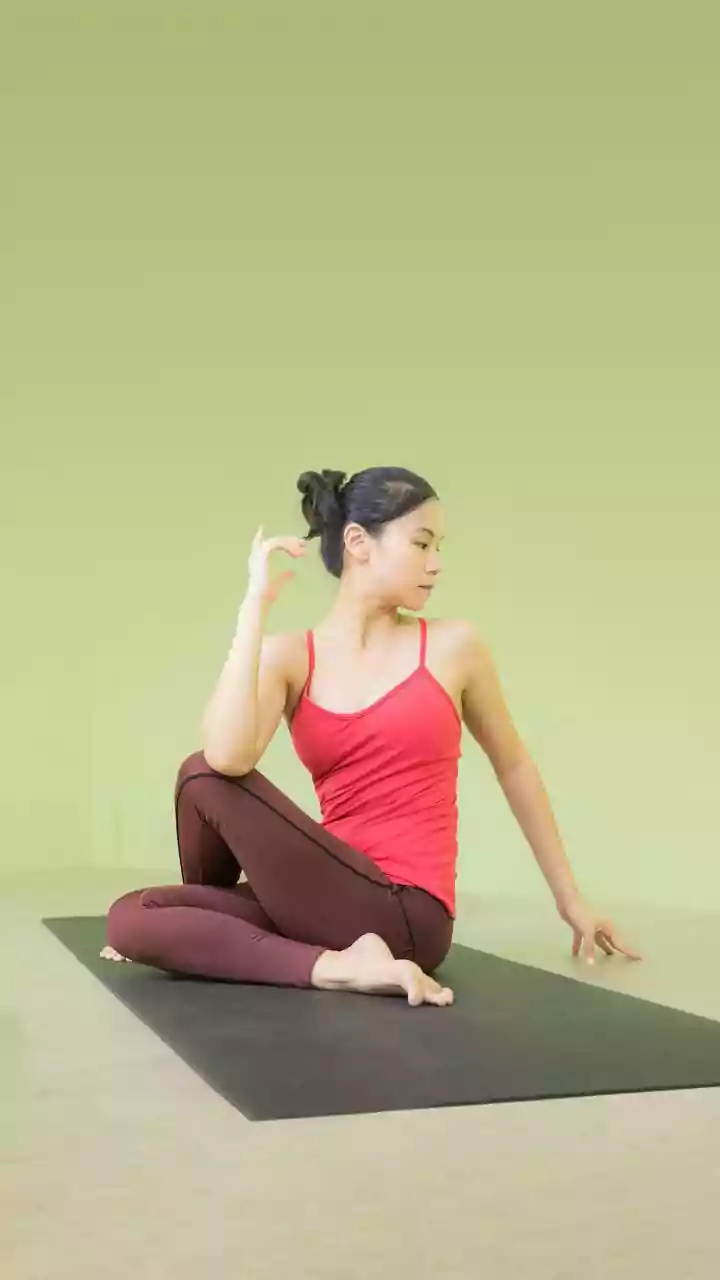
Pilates is a method of controlled movements designed to build core strength, improve flexibility, and enhance body awareness. It targets the deep stabilizing muscles of your abdomen, lower back, hips, and glutes—often called the "powerhouse." A strong core is the foundation for good posture, better balance, and reduced risk of back pain. Unlike workouts that isolate muscles, Pilates focuses on fluid, precise movements and coordinated breathing. This mind-body connection not only strengthens the body but also reduces stress. While walking primarily involves forward motion, Pilates works the body through multiple planes of movement, helping to correct muscular imbalances.
Safety and Form: Walking with Purpose
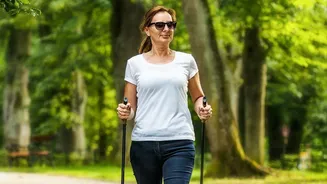
To get the most out of walking and prevent injury, proper form is essential. Stand tall with your spine elongated, as if a string is pulling you up from the crown of your head. Keep your gaze 10 to 20 feet ahead to avoid straining your neck and back. Your shoulders should be back and relaxed, not hunched. Bend your arms at a 90-degree angle and swing them from your shoulders, not your elbows. Aim for a natural heel-to-toe stride rather than overstriding, which can stress your joints. Engaging your core while you walk will also help stabilize your spine.
Safety and Form: Pilates with Precision
Pilates is built on the principle of control, so moving slowly and deliberately is key to avoiding injury. If you're a beginner, it's highly recommended to start with classes led by a certified instructor who can check your alignment and offer modifications. Be sure to communicate any injuries or physical limitations before class starts. Wear form-fitting clothing so your instructor can see your posture. During exercises, focus on engaging your core and avoid holding your breath, which can create tension. A common mistake for beginners is pushing too far into a stretch or movement; instead, prioritize control and stability over range of motion.
Walking, Pilates, and Weight Management
When it comes to burning calories, walking generally has the edge during the activity itself. As a continuous aerobic exercise, a brisk walk can burn more calories per session than a typical Pilates class. However, the role of Pilates in weight management is more about building lean muscle. Muscle tissue burns more calories at rest than fat, so increasing your muscle mass through Pilates can boost your overall metabolism. For this reason, many experts suggest that a combination of the two—walking for calorie burn and Pilates for muscle toning and posture—is an ideal approach for sustainable weight management.
Which One Is Right for You?
The best choice ultimately depends on your individual goals. If your main objective is to improve cardiovascular fitness, manage weight through calorie expenditure, or simply incorporate more daily movement, walking is an excellent and highly effective option. If you aim to build deep core strength, improve your posture, increase flexibility, and enhance your mind-body connection, Pilates is the stronger choice. For those recovering from certain injuries or dealing with back pain, Pilates can be particularly beneficial for its focus on stabilization and alignment. You do not have to choose just one; in fact, the two activities complement each other perfectly, with Pilates strengthening the body for a more efficient and safer walk.