





From Ambitious Goal to Orbit
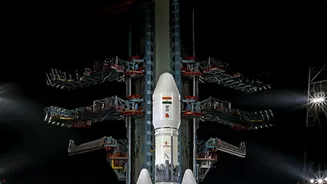
On July 18, 2026, Hyderabad-based startup Skyroot Aerospace made history by successfully launching its Vikram-1 rocket, deploying payloads into a low-Earth orbit. This marked the first time a privately developed, Indian-built rocket achieved this feat,
placing India among a select few nations with private orbital launch capabilities. The mission, named 'Aagaman' (Sanskrit for 'arrival'), wasn't just a technical demonstration; it was a powerful validation of the policy reforms that opened India's space sector to private enterprise in 2020. For years, the Indian Space Research Organisation (ISRO) was the sole driver of the nation's space efforts. Now, with Skyroot's success, the door has been thrown open for a vibrant ecosystem of over 400 startups to not just support, but lead. This achievement signals a crucial transition from technological risk to execution risk, boosting investor confidence and setting the stage for a new phase of commercial space activity.
The Old Resume vs. The New
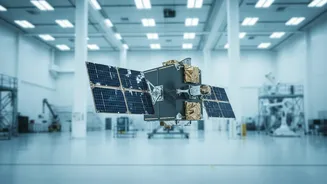
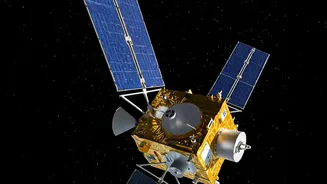
For decades, a career in India's space industry meant one thing: a coveted, secure position at ISRO. The path was linear, research-heavy, and state-driven. While prestigious, it operated within a structured, and often slower, government framework. The rise of private players like Skyroot, Agnikul Cosmos, and Pixxel has completely rewired this career map. These companies are not just building components; they are designing, manufacturing, and launching entire systems, from 3D-printed semi-cryogenic engines to advanced hyperspectral satellites. A resume with experience at one of these startups now tells a different story. It speaks of agility, end-to-end project ownership, and experience with cutting-edge, commercially-focused technology. While ISRO veterans are highly sought after for their deep domain expertise, the hands-on, rapid-prototyping environment of a startup is becoming an invaluable and distinct asset in the job market.
Why Startup Experience Is a Career Multiplier
Working at a space startup today offers a unique blend of benefits that are difficult to replicate in a larger, more established organisation. Firstly, the pace and breadth of learning are immense. Engineers are not just cogs in a machine; they are often responsible for entire subsystems, from initial design to flight validation. This provides a holistic understanding of how complex systems come together under tight deadlines and budgets. Secondly, the culture encourages calculated risk-taking and innovation. Companies like Agnikul are pioneering reusable rocket technology and in-orbit platforms, pushing the boundaries of what's possible. Being part of a team that successfully navigates such challenges is a powerful career credential. Finally, there is the potential for significant financial upside. Many startups offer equity, giving employees a direct stake in the company's success. With pioneers like Skyroot achieving unicorn status, that stake becomes increasingly tangible.
A New Talent Gravity Well
The success of private launches is creating a 'talent gravity well,' attracting not just aerospace engineers but also experts in software, AI, robotics, and advanced manufacturing. This cross-pollination of skills is critical for building a robust domestic space economy, which is projected to grow from around $8.4 billion to over $44 billion by 2033. The demand for a diverse workforce is expanding opportunities beyond traditional roles. The sector now requires professionals who can manage space-grade manufacturing, ensure global compliance, and develop downstream applications for satellite data in fields like agriculture and climate monitoring. Furthermore, successful private milestones make the Indian space sector more attractive to global talent and investment, helping to reverse 'brain drain' by creating compelling, high-stakes career opportunities right here at home. The government's support through IN-SPACe and dedicated venture funds further solidifies the foundation for this growing employment engine.