




The Push for Less Sodium
For years, health bodies like the Indian Council of Medical Research (ICMR) have sounded the alarm about India's high salt consumption. Estimates show that many Indians consume between 8 to 11 grams of salt daily, which is nearly double the World Health
Organization's recommended limit of 5 grams. This excess sodium intake is a primary driver of hypertension, or high blood pressure, which in turn significantly increases the risk of heart disease and stroke. To combat this, experts have proposed a public health strategy: replacing regular salt with low-sodium salt substitutes (LSSS). A consensus statement from leading doctors and public health specialists in late 2025 recommended this switch to tackle the nation's growing burden of non-communicable diseases.
How Do Low-Sodium Salts Work?
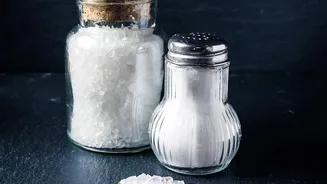
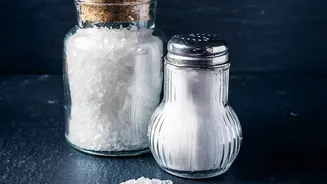
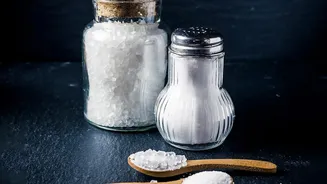
These salt alternatives are not a complex invention. They work by replacing a portion of sodium chloride (the chemical name for regular salt) with potassium chloride. Most formulations available in India replace about 15% to 30% of the sodium with potassium. The result is a product that looks and tastes very similar to traditional salt but helps users lower their sodium intake while simultaneously increasing their potassium intake. For the general population, this is a double win, as most Indian diets are deficient in potassium, a mineral that helps counteract the effects of sodium on blood pressure.
The Hidden Danger for Kidney Patients
While beneficial for most, this switch poses a serious risk for people with compromised kidney function. Healthy kidneys are experts at filtering excess potassium out of the blood and excreting it through urine. However, in individuals with Chronic Kidney Disease (CKD), the kidneys lose this ability. When these individuals consume high levels of potassium, such as from potassium-enriched salts, the mineral can build up in their blood to dangerous levels. This condition is known as hyperkalemia. Mild cases can cause weakness, nausea, and fatigue, but severe hyperkalemia can disrupt the heart's electrical signals, leading to abnormal heart rhythms, chest pain, and even sudden cardiac arrest.
A Major Concern for India
The risk of hyperkalemia is particularly worrying in the Indian context due to the silent and growing epidemic of Chronic Kidney Disease. A parliamentary committee report in August 2026 highlighted that India has an estimated 138 million people living with CKD. Many of these individuals, especially those in the early stages, are undiagnosed and unaware of their condition. They might start using a low-sodium salt substitute believing it to be a healthy choice, without realizing the potential danger to their health. This creates a public health dilemma: how to promote a strategy that benefits the majority without endangering a significant and vulnerable minority.
The Path Forward: Awareness and Caution
Experts are not calling for a ban on these salt substitutes. Instead, they emphasize a strategy of balance and caution. The consensus is that the overall public health benefits of preventing cardiovascular disease are substantial. However, this must be paired with strong safeguards. Recommendations include clear warning labels on all potassium-enriched salt products, specifically advising against use by individuals with kidney disease. There is also a strong push for greater patient education by doctors and dieticians, who should warn at-risk patients about the dangers. Finally, improved screening for CKD is crucial to identify those who need to avoid high potassium intake. The goal is to make these healthier salts widely available while ensuring that those who could be harmed are fully informed.