






Choose Your Fabrics Wisely
The golden rule of monsoon packing is to avoid heavy fabrics that take forever to dry. Denim and thick cotton are your worst enemies. Instead, opt for lightweight, breathable materials. Synthetic and semi-synthetic fabrics like polyester and nylon are excellent
choices as they are water-resistant and dry quickly. Lightweight cotton blends and linen are also great for handling the humidity, as they allow air to circulate and keep you cool. The goal is to wear clothes that won't feel heavy and damp after a sudden shower.
Master the Art of Layering
Monsoon weather is famously unpredictable. A sunny morning can turn into a chilly, rainy afternoon in minutes. Instead of packing bulky sweaters, embrace layering. A capsule wardrobe built around a few core pieces is ideal. Start with a quick-dry t-shirt or top, and add a light, foldable rain jacket or poncho. A lightweight fleece or a shawl can be surprisingly effective for dealing with the damp chill in hill stations or overly air-conditioned buses without adding much weight to your bag.
Prioritise Waterproofing Everything
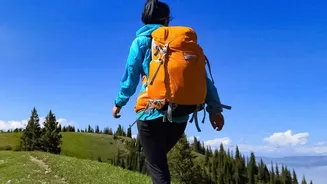
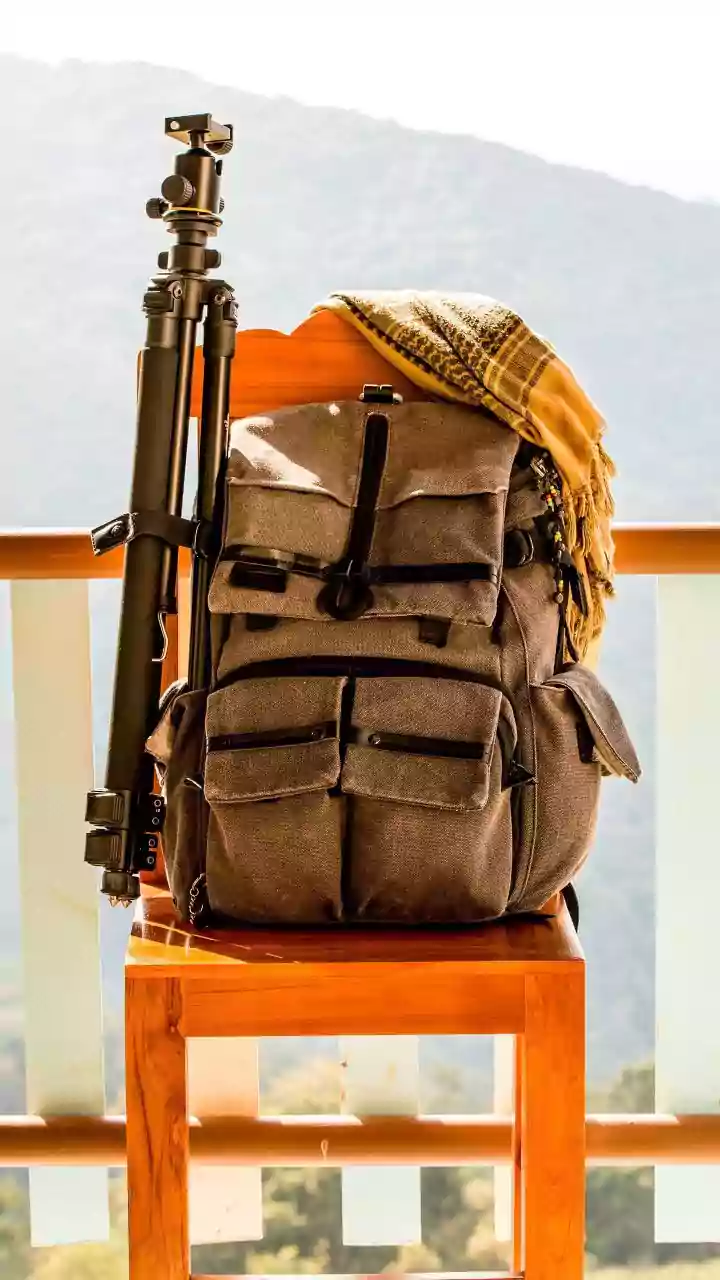
This is non-negotiable. Start with your main luggage; a waterproof backpack is ideal, but a reliable rain cover for your existing bag works well too. The real game-changers, however, are waterproof pouches and dry bags. Use them to compartmentalise your belongings. Keep your electronics—phone, power bank, chargers—in one pouch, and important documents like your passport and wallet in another. This not only protects them from downpours but also from the pervasive humidity that can damage electronics over time. Even using simple zip-lock bags is a smart move for extra protection.
Rethink Your Footwear
Wet feet can ruin a travel day, and wearing the wrong shoes will leave you with soggy, uncomfortable footwear for your entire trip. Leave the leather shoes and canvas sneakers at home. Your best options are waterproof or water-resistant with good grip to handle slippery surfaces. Rubber sandals, floaters, and crocs are perfect for navigating wet city streets and muddy paths. If you're hiking, invest in proper waterproof boots. It's also wise to pack a backup pair of lightweight slippers for your hotel room.
Pack a Smart Accessory and Health Kit
A few small items can make a huge difference. A compact, wind-resistant umbrella is a must-have for short walks. A quick-dry microfibre towel is another essential; it's super absorbent, dries fast, and takes up minimal space. The monsoon also brings an increase in mosquitoes, so a good insect repellent is crucial. Your first-aid kit should include the basics like antiseptic wipes, bandages, and any personal medications, all stored within a leak-proof or waterproof pouch to keep them dry.
Protect Your Electronics from Humidity
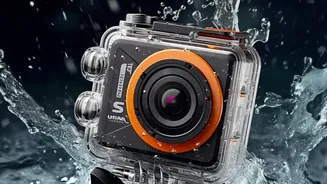
Rain isn't the only threat to your gadgets; humidity is a silent enemy. To combat this, throw a few silica gel packets into your electronics pouch and main bag. These tiny packets absorb moisture and can help prevent condensation from forming inside your devices. When you are indoors, try to keep your electronics away from damp walls or open windows where moisture can creep in. A waterproof phone case provides an extra layer of security, allowing you to use your phone for navigation or photos even in a light drizzle.