







Why Train Timetables Change So Often
Indian Railways is one of the world's largest and most complex rail networks, and its timetable is a constantly evolving document. Changes are made for a variety of reasons, all aimed at improving the system's overall efficiency. A primary driver is the introduction
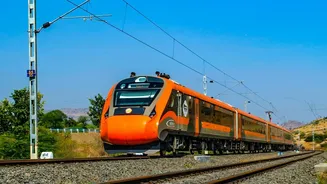
of new trains. In early 2026, for example, Indian Railways rolled out its 'Trains At A Glance (TAG) 2026' overhaul, which added 122 new services, including more Vande Bharat, Amrit Bharat, and mail/express trains. Integrating these new services into a congested network requires adjusting the schedules of existing trains. Another major reason is to improve punctuality and reduce travel time. As part of the same 2026 update, 549 trains were sped up, with journey times cut by anywhere from five minutes to over an hour. These adjustments, often focused on better management of time between sections, are designed to reduce delays across busy corridors. Finally, schedules are altered for operational reasons, such as track maintenance, doubling of lines, or accommodating seasonal demand with special services, like the over 18,000 special trips planned for summer 2026.
The Domino Effect of a 10-Minute Shift
A ten or fifteen-minute change in a train's departure or arrival time might seem minor, but for a passenger with a connecting journey, it can be the difference between a smooth transfer and a missed train. Imagine you've booked a journey from a small town to a major city, with a 90-minute layover before catching a long-distance express to your final destination. It seems like a safe buffer. However, a revised timetable might cause your first train to arrive 20 minutes later than planned. Suddenly, your comfortable 90-minute window has shrunk to 70 minutes. If the second train now departs 10 minutes earlier to improve its own schedule, your buffer is down to just one hour. This tight margin leaves no room for the usual operational delays that are common on long-distance routes. A train that is 27 hours into its journey can easily be running late, turning your 'realistic' connection into a frantic sprint across platforms or, worse, a costly rebooking.
How to Stay Ahead of Schedule Changes
The key to avoiding travel-day disasters is proactive planning and verification. While Indian Railways announces major overhauls like the annual 'Trains At A Glance' (TAG) timetable, smaller revisions happen throughout the year. It's crucial not to rely on a schedule you checked weeks or months ago. Before your journey, always double-check your train's timing. The official Indian Railways website, indianrailways.gov.in, is the primary source for the latest schedules. Additionally, numerous authorized apps and websites like ConfirmTkt, redRail, and RailMitra provide real-time train schedules and updates. You can simply enter your train name or five-digit number to see its complete, up-to-date timetable, including any recent revisions. Officials consistently advise passengers to verify timings through these official channels or at the nearest railway station before starting their journey.
Smarter Planning for Connecting Journeys
When booking a multi-train trip, building a generous buffer is your best defence against timetable volatility. While 90 minutes might seem sufficient, travel experts often recommend a buffer of at least three hours between a train's scheduled arrival and the next departure, especially if the subsequent leg is a flight. This accounts for both potential schedule changes and en-route delays. When you find a potential connection, don't just book it. Check the live running history of both trains for a few days. Does the first train frequently arrive late? Does the second train often depart early? This data, available on most railway apps, gives you a realistic picture of your connection's reliability. For critical journeys, consider breaking the trip. An overnight stay in the connecting city might be less stressful than risking a tight, same-day transfer. By treating the official timetable as a guide rather than a guarantee and layering in your own checks and balances, you can navigate the complexities of Indian Railways with greater confidence.