


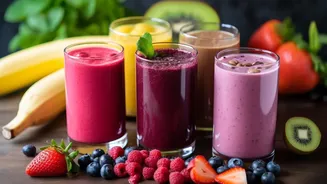


The smoothie is often hailed as a shortcut to health, but many are little more than sugar-laden desserts in disguise. The secret to a truly effective meal-replacement smoothie lies in treating it like an actual meal.
The Common Smoothie Mistake
Many well-intentioned smoothies fail
as meal replacements because they are built incorrectly. A blend of just fruit and fruit juice can lead to a significant sugar rush and a subsequent energy crash, leaving you hungry shortly after. When fruit is blended, its natural sugars are released and become 'free sugars', the kind that can contribute to weight gain and tooth decay if consumed in excess. A truly functional meal replacement needs to be balanced, providing sustained energy, not a temporary spike followed by a slump. Without sufficient protein, fiber, and healthy fats, your smoothie is more of a snack than a substitute for a complete meal.
Deconstructing a Balanced Meal
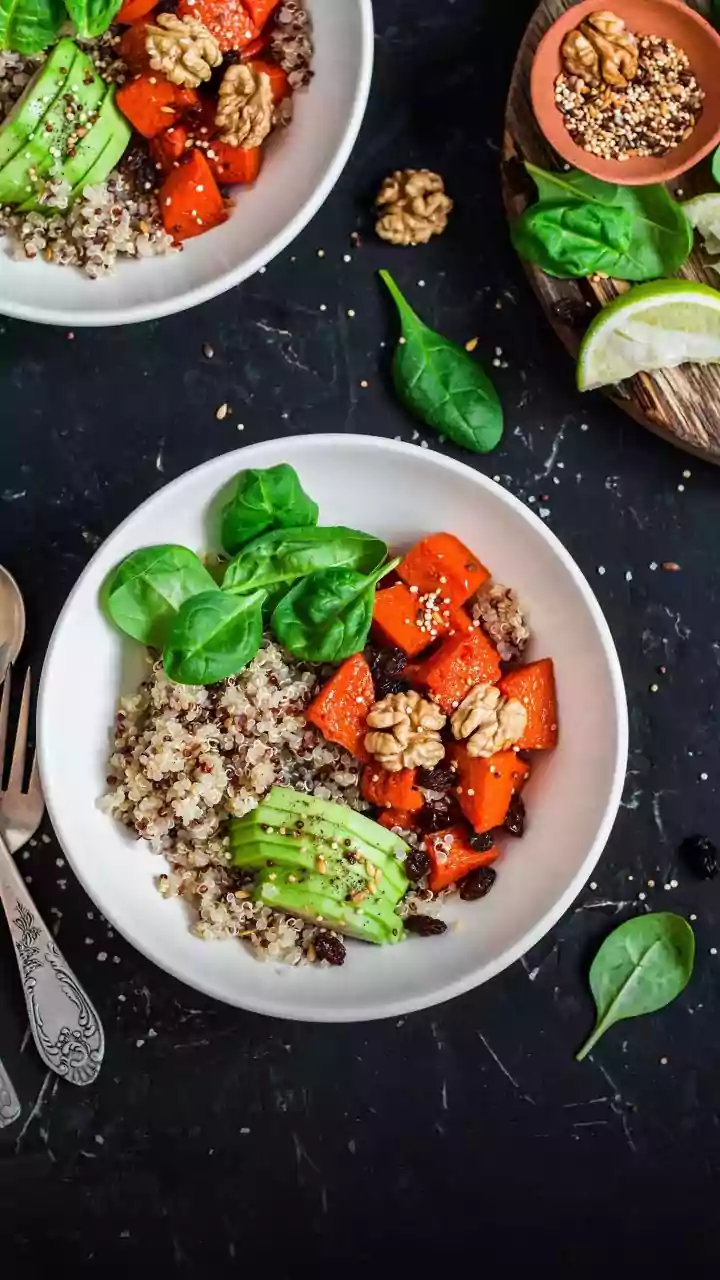
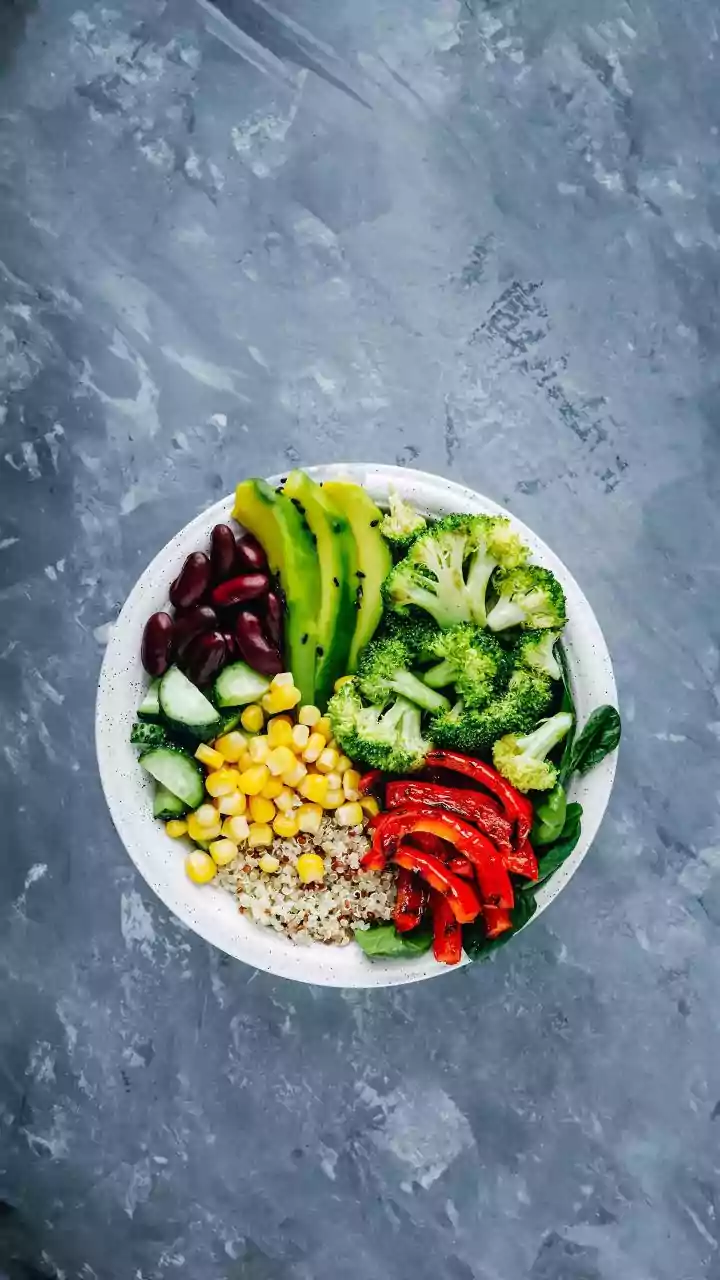
To build a better smoothie, think about the components of a balanced plate. A satisfying meal provides a mix of macronutrients: protein for muscle repair and satiety, complex carbohydrates for energy, healthy fats for nutrient absorption and fullness, and fiber for digestive health. This combination works to slow digestion and prevent the blood sugar roller coaster that can lead to cravings and energy dips. Your goal is to translate these components from the plate to the blender, ensuring your liquid meal provides the same long-lasting satisfaction as a solid one.
Building the Perfect Breakfast Smoothie
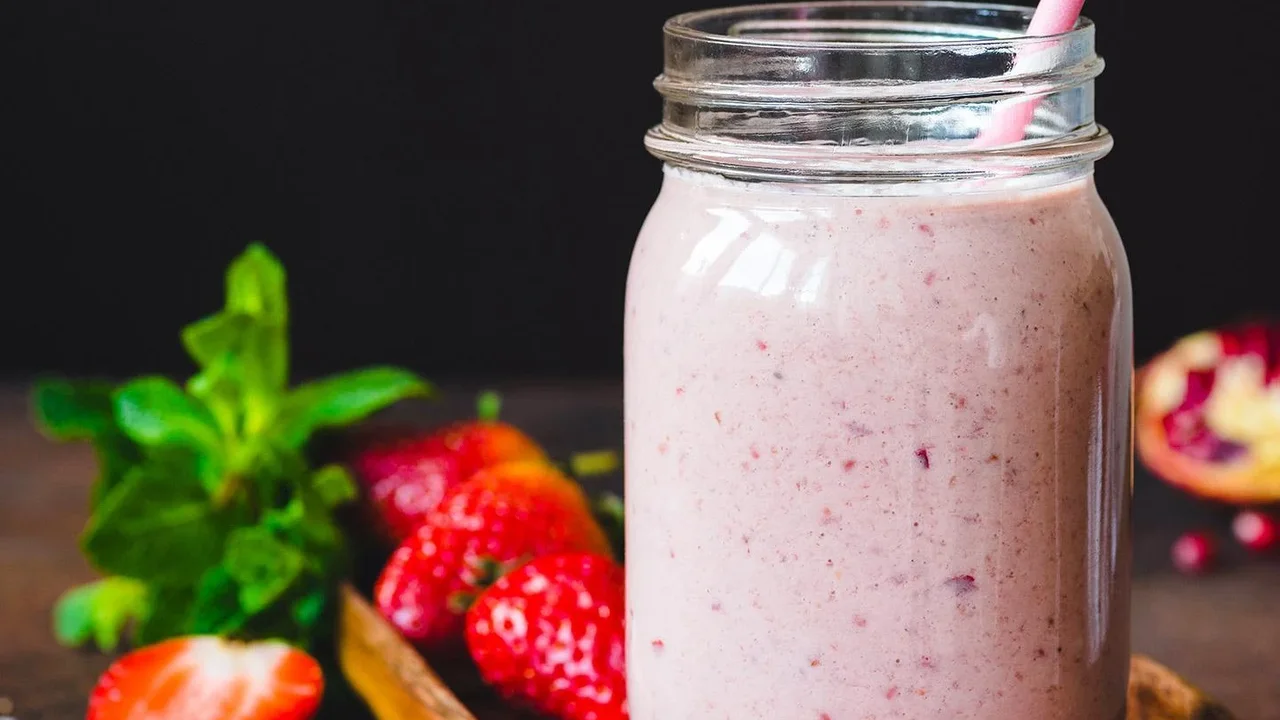
For many, breakfast is a rush, making a smoothie an ideal choice. To replace a typical breakfast, you need ingredients that provide steady energy for the morning ahead. Start with a quality protein source, which is crucial for morning satiety. Options include Greek yogurt, cottage cheese, or a scoop of protein powder, which should offer around 20-30 grams of protein. For complex carbs and fiber, add rolled oats or a handful of spinach. A tablespoon of nut butter, chia seeds, or flax seeds provides the healthy fats that keep you full until lunch. A serving of low-sugar fruit like berries adds flavour, vitamins, and more fiber.
Crafting a Midday Meal Replacement
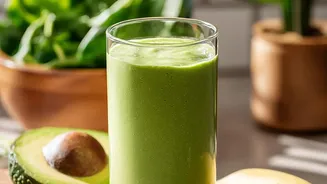
A lunch-replacement smoothie needs to fight the midday slump. The focus should be on sustained energy and satiety to power you through the afternoon. A balanced mix of protein, fats, and fiber is still essential. Consider adding half an avocado for creaminess and a significant dose of healthy fats. Plant-based protein sources like silken tofu or hemp seeds work well here. For carbohydrates, you can incorporate vegetables like cooked sweet potato or even frozen cauliflower, which adds thickness without a strong taste. A robust base of leafy greens like kale or Swiss chard will boost the fiber and nutrient content significantly.
Portion Control Remains King
Even with perfectly balanced ingredients, it's easy to go overboard. The 'healthy' halo of smoothies can lead people to pack the blender, creating a calorie-dense concoction that exceeds a normal meal. Healthy fats from nuts, seeds, and avocado are calorically dense, so portioning is key—a tablespoon or two is often sufficient. Making your smoothie at home gives you full control over the ingredients and portion sizes, which is crucial for managing calorie intake. Aim for a total volume that feels satisfying but isn't excessive, typically around 8 to 12 ounces for a meal replacement. Remember, the goal is to replace a meal, not to consume two meals' worth of calories in one glass.