






What Is the Mecca Pact?
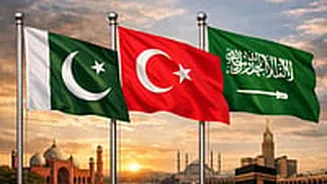
The Mecca Joint Defence Agreement is a trilateral pact signed on August 7, 2026, by Saudi Arabia, Turkey, and Pakistan. The core of the agreement is a collective defence clause, which stipulates that an armed attack on any of the three signatory nations
will be considered an attack on all. This provision echoes the principle of collective defence found in other major alliances. The pact aims to formalise and enhance defence cooperation, strengthen collective deterrence against aggression, and promote regional stability. While some have labelled it an “Islamic NATO,” its structure is currently less institutionalised, lacking a rigid, integrated command structure for now. However, it does provide for regular ministerial meetings and a permanent secretariat in Saudi Arabia. Officials from the signatory nations have stated the agreement is defensive, not directed at any specific country, and remains open for other nations to join.
Why Is India Conducting a Review?
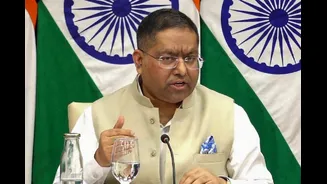
India's Ministry of External Affairs (MEA) has confirmed it is examining the pact's implications for national security and regional stability. The primary reason for New Delhi's vigilance is the inclusion of Pakistan, an immediate neighbour with a long history of conflict with India. The agreement formalises a deep strategic relationship between Pakistan and two powerful West Asian countries, creating what some analysts call a “worrisome reality” for India. A key concern is that the pact could embolden Pakistan, potentially providing it with greater diplomatic leverage, intelligence support, or financial assistance during a crisis with India. Furthermore, the deal facilitates the transfer of advanced military technology, particularly from Turkey, to Pakistan, which could alter the conventional military balance in the region. The Indian government has stated it is committed to safeguarding its national interests and will take all necessary measures in response.
The Geopolitical Chessboard
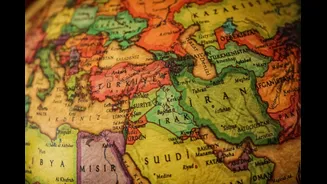
The Mecca Pact did not emerge in a vacuum. It represents a significant realignment as Middle Eastern powers seek greater strategic autonomy amid perceptions of a wavering U.S. security commitment. For Saudi Arabia, the pact is a form of strategic insurance to protect its ambitious economic projects and deter regional rivals. For Turkey, it's an opportunity to expand its influence and defence exports. For Pakistan, it offers diplomatic relevance and potential economic and military benefits. This new trilateral axis complicates India's decade-long effort to cultivate strong, independent relationships with Gulf nations, particularly Saudi Arabia. India has successfully 'de-hyphenated' its ties with the Gulf from its relationship with Pakistan, but this pact introduces a new variable. New Delhi must now navigate a delicate balance: maintaining its robust economic and energy partnership with Riyadh while addressing the new security realities created by the Saudi-Pakistan defence alignment.
Maritime and Military Implications
The agreement’s impact extends into the maritime domain, a critical area for India's economic and energy security. The pact's focus on joint security planning stretches from the Red Sea into the Arabian Sea, an area vital for India's trade and oil imports. A coordinated naval presence among Pakistan, Turkey, and Saudi Arabia would require India's Navy to enhance its vigilance in the western Indian Ocean. Another major concern for New Delhi is the defence-industrial cooperation between Turkey and Pakistan. Turkey's advanced drone technology and other NATO-standard military hardware could significantly boost Pakistan's capabilities. Indian strategists must now account for a potential pipeline of advanced military technology and joint production capabilities, funded by Saudi capital, flowing to Pakistan.
What 'Early Stage' Means for India
The MEA's description of the review as being in an “early stage” indicates that a comprehensive assessment is underway across multiple government departments. This process likely involves the Ministry of Defence, the National Security Council Secretariat, and intelligence agencies. The goal is to understand the full scope of the agreement, including any non-public clauses, and model its potential impact under various scenarios. Indian diplomats will likely seek quiet assurances from Riyadh that the pact's collective defence clause will not be invoked in a potential India-Pakistan conflict. While analysts suggest that Saudi Arabia, given its strong economic ties with India, is unlikely to support any Pakistani aggression, New Delhi cannot afford to be complacent. The review will inform India’s diplomatic strategy, security posture, and future partnerships in the region as it adapts to this new geopolitical development.