


A Solution to the Endless Waitlist
Indian Railways is actively working to combat the perennial issue of ticket shortages during peak travel seasons like Diwali, Chhath Puja, and summer holidays. While announcing hundreds of 'Special' trains is a yearly practice, a more strategic solution
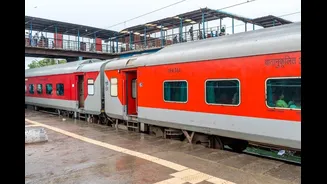
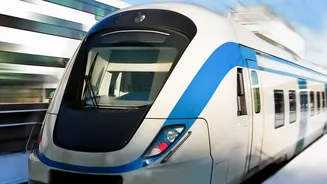
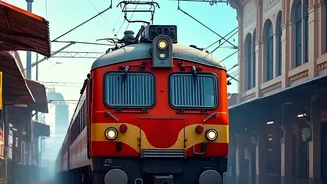
is emerging with the introduction of the Amrit Bharat Express. Launched in late 2023, this new class of train is specifically designed to cater to long-distance, budget-conscious travellers on high-density routes, which are often the first to become fully booked. The core idea is to add significant capacity to the network precisely where it's needed most, offering a practical alternative to passengers who would otherwise be left with a waitlisted ticket or no travel option at all.
What Makes the Amrit Bharat Different?
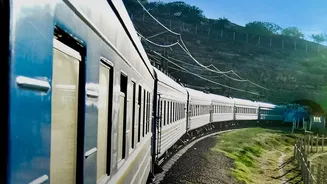
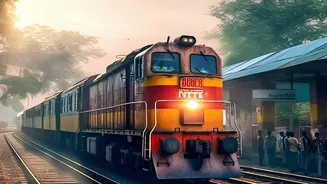
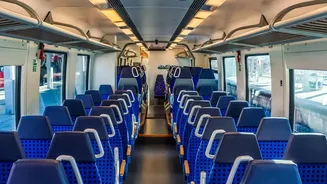
Unlike the premium, all-AC Vande Bharat trains, the Amrit Bharat Express is a non-AC service focused on mass mobility. Each train is composed of 22 coaches, including 12 sleeper class and eight unreserved general coaches, capable of carrying over 1,800 passengers. A key innovation is the use of a 'push-pull' locomotive setup, with an engine at both ends. This technology improves acceleration and deceleration, reducing travel time by eliminating the need for engine reversals at terminating stations. While they are not premium, these trains come with modern amenities such as bio-vacuum toilets, charging points for every passenger, sealed gangways for safer movement between coaches, and CCTV cameras for enhanced security.
Connecting High-Demand Routes
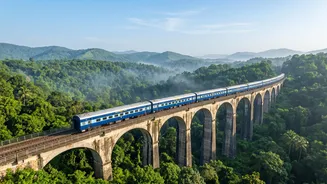
The Amrit Bharat network is strategically expanding to connect major labour hubs with hometowns, targeting routes with heavy migrant worker traffic and festive rush. As of late 2026, services have been introduced on crucial corridors linking states like Gujarat, Bihar, Uttar Pradesh, West Bengal, and southern states. For instance, a recently approved service will connect Bhuj in Gujarat with Barauni in Bihar, passing through Rajasthan and Uttar Pradesh. Other operational routes include Darbhanga to Anand Vihar (Delhi), Malda Town to SMVT Bengaluru, and Dibrugarh to Lucknow, demonstrating a clear focus on connecting eastern and northeastern India with northern and southern business centres.
Festival Specials Still Play a Key Role
Alongside the rollout of Amrit Bharat trains, Indian Railways continues to deploy a massive number of traditional 'Festival Special' services to handle immediate surges in demand. For the 2026 festive season, various railway zones have announced hundreds of additional train trips. For example, Central Railway announced 418 special services from Mumbai to various destinations in Uttar Pradesh and Bihar, while Northern Railway is running dozens of trips between Delhi, Varanasi, and Ayodhya. These special trains often include a mix of AC and non-AC coaches and run for a limited period to cater specifically to holiday travellers. Bookings for these services open in advance on the IRCTC portal, and they often run with special fare structures.
Will This End the Peak Rush Problem?
While these new trains offer significant relief, they are not a complete cure for the peak rush problem. The demand for train travel in India, especially during festive periods, remains immense. The Amrit Bharat Express and festival specials are powerful tools for increasing capacity, but they primarily benefit passengers on the specific routes they serve. However, the strategy represents a significant step forward. By focusing on affordable, high-capacity, non-AC travel, the Amrit Bharat trains address the needs of the largest segment of train passengers. This targeted approach helps to absorb a substantial portion of the excess demand, potentially reducing the length of waitlists on parallel, regular services and making last-minute travel a more viable option for many.