




Non-Vegetarian Food
This is the most widely avoided food group during Sawan. The primary reason is spiritual; Sawan is a month focused on non-violence and sattvic (pure) living, making meat, poultry, and fish unsuitable. There's also a practical, seasonal logic: the monsoon
weather increases the risk of foodborne illnesses as bacteria multiply faster in the humidity, and traditionally, this was a way to avoid getting sick. Furthermore, the monsoon season is the breeding period for many animals and fish, and abstaining from eating them is seen as an act of respecting nature's cycle.
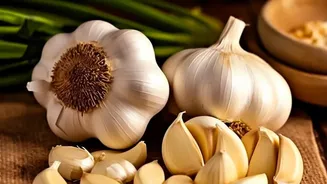
Onion and Garlic
The absence of onion and garlic is one of the most distinct markers of a Sawan kitchen. In Ayurveda, these are classified as 'rajasic' and 'tamasic' foods. This means they are believed to generate heat, passion, and restlessness, which can distract the mind from meditation and prayer. By avoiding them, devotees aim to cultivate a state of calm and mental clarity. Although they have medicinal properties, they are set aside during this period of spiritual focus.
Eggs
Much like meat, eggs are removed from the diet in many households observing Sawan. They are generally considered non-vegetarian in many Hindu traditions and therefore fall under the category of foods to be avoided during this holy month. The emphasis shifts to dairy products like milk and paneer, nuts, and fruits for protein and nourishment, aligning with the sattvic dietary principles of the fast.
Alcohol
Consumption of alcohol is strictly avoided. Spirituous drinks are considered highly 'tamasic,' meaning they are believed to promote impurity, dullness, and lethargy, which goes against the spiritual objectives of the month. The goal of Sawan is to purify the body and mind, making alcohol and other intoxicants fundamentally incompatible with the observance.
Common Salt
Many people who observe fasts during Sawan replace regular table salt with 'sendha namak' or rock salt. Regular iodized salt is a processed product and is considered unsuitable for 'vrat' or fasting meals. Rock salt, being in its purest, unprocessed form, is deemed sattvic and acceptable for consumption during periods of religious observance.
Certain Grains and Lentils
During specific Sawan fasts, especially the Monday 'vrat', many common grains and lentils are avoided. This includes wheat flour, rice, gram flour (besan), and most dals. Instead, special 'vrat-friendly' flours and grains are used, such as kuttu (buckwheat flour), singhara (water chestnut flour), and samak rice (barnyard millet), which are considered lighter and easier to digest.
Leafy Green Vegetables
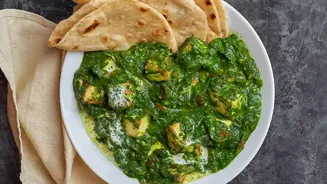
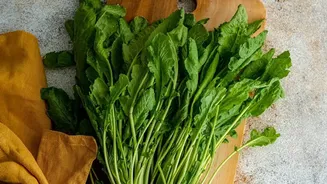
This rule is rooted in seasonal wisdom. Sawan coincides with the peak of the monsoon, a time when the damp environment becomes a breeding ground for insects and germs. Leafy greens like spinach and fenugreek can easily trap mud, pests, and larvae, making them risky to consume. Avoiding them was a traditional precaution against stomach infections when cleaning methods were less advanced.
Brinjal (Eggplant)
Brinjal is another vegetable often kept out of the kitchen during the rainy season. Traditionally, it is believed to be more prone to insect infestations from the inside during this time. While modern farming has reduced this risk, the age-old custom continues in many families as a matter of tradition passed down through generations.
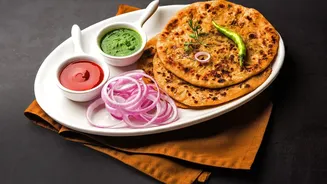
Spicy and Fried Foods
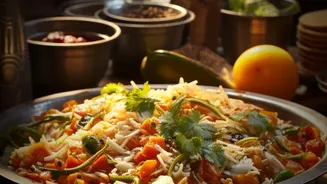
While not a specific ingredient, heavily spiced and deep-fried foods are generally discouraged. According to Ayurveda, the digestive fire ('agni') is weaker during the monsoon. Heavy, oily foods can be difficult to process, leading to bloating and sluggishness. The emphasis is on light, boiled, or steamed meals that are gentle on the digestive system, promoting physical well-being alongside spiritual practice.
Curd and Kadhi
In many households, curd and dishes made from it, like kadhi, are avoided. This is linked to Ayurvedic principles that suggest avoiding sour foods during the monsoon can help prevent coughs and colds. Since the weather is damp, consuming curd is believed by some to increase 'kapha' (one of the three doshas) in the body, potentially leading to congestion. However, this practice varies significantly from family to family.