






An Ancient Grain for Modern Health
Barley is one of the oldest cultivated grains on Earth, a staple in diets for thousands of years. While it may have taken a backseat to trendier grains, its resurgence is rooted in solid nutritional science. Known in India as 'jau', this grain is being
re-examined not just for its rustic, nutty flavour but for its impressive health profile. It is packed with essential vitamins, minerals, and, most importantly, a unique type of fibre that sets it apart in the world of healthy eating. This makes it a compelling choice for anyone looking to build a breakfast that provides sustained energy without the sharp peaks and troughs in blood sugar that can follow a meal high in refined carbohydrates.
The Science of a Stable Start
The secret to barley's blood-sugar-friendly reputation lies in its high concentration of a soluble fibre called beta-glucan. While other grains like oats also contain this fibre, barley is particularly rich in it. When you eat barley, this beta-glucan forms a gel-like substance in your digestive tract. This process slows down the absorption of carbohydrates and sugar into the bloodstream. The result is a more gradual, steady rise in blood glucose instead of a sudden spike. This is quantified by the glycemic index (GI), a scale that measures how quickly a food raises blood sugar. Barley has a very low GI score, often cited as being around 25-30, which is significantly lower than many other common breakfast grains like oatmeal, which typically falls in the medium GI range. This slow-release energy is what makes it a powerhouse for morning meal planning.
Barley Versus Oats: The Breakfast Debate
For many, a healthy breakfast means a bowl of oatmeal. So, how does barley compare? While both are excellent choices, there are key differences. Barley generally contains more dietary fibre overall than oats. In some studies, barley has been shown to be more effective at reducing blood sugar and insulin levels post-meal compared to oats. However, oats often contain slightly more protein and are richer in certain minerals like manganese and zinc. A significant point of difference for some is that oats are naturally gluten-free, whereas barley is not, making it unsuitable for individuals with celiac disease or gluten sensitivity. Ultimately, the choice between them may come down to personal preference in taste and texture, as both offer substantial health benefits.
More Than Just Sugar Control
The benefits of starting your day with barley extend beyond blood glucose management. The high fibre content, particularly the beta-glucans, promotes a feeling of fullness, or satiety. This can help control appetite throughout the morning, potentially aiding in weight management efforts. Furthermore, the fibre in barley acts as a prebiotic, feeding the beneficial bacteria in your gut. A healthy gut microbiome is increasingly linked to overall health, from improved digestion and a stronger immune system to better metabolic function. Studies have also connected beta-glucan consumption with lower levels of 'bad' LDL cholesterol, supporting long-term heart health.
How to Prepare a Barley Breakfast Bowl
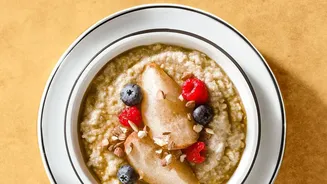
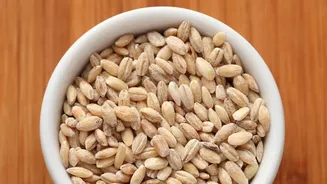
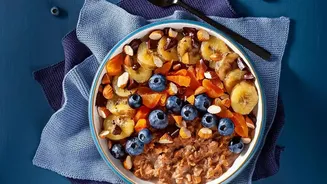
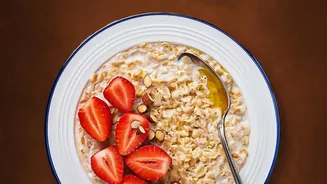
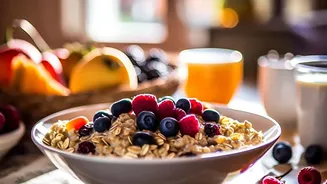
Incorporating barley into your morning routine is simple. You can cook a batch ahead of time and store it in the refrigerator for several days. When choosing your barley, you will likely find 'pearled' and 'hulled' varieties. Hulled barley is the whole-grain version and is more nutritious but takes longer to cook, often benefiting from an overnight soak. Pearled barley, which has the outer husk and bran layers removed, cooks faster, typically in about 25-40 minutes. To cook, simply simmer one part barley in about three parts water until tender. Serve it warm like a porridge with milk or yogurt. For toppings, choose options that won't counteract its blood-sugar benefits. Think nuts for healthy fats and protein, seeds like chia or flax for extra fibre, and a handful of low-GI fruits like berries.