
Plitvice Lakes, Croatia: A Story of Creation
The story of Plitvice Lakes National Park is one of constant creation, a geological drama that has unfolded over thousands of years. This isn't a static landscape but a living, breathing one. The park's 16 terraced lakes are connected by waterfalls, all formed
by a unique process involving travertine, a type of limestone. Water rich in calcium carbonate flows over moss and rocks, depositing layers of travertine that grow at a rate of about one centimetre per year. These natural dams create the lakes, and as old barriers are eroded by the water, new ones are simultaneously being built. The vibrant blue and green hues of the water, a result of minerals and organisms, add to the otherworldly narrative. Visiting Plitvice is like witnessing a slow-motion story of nature's artistry, a landscape that is subtly different with every passing year.
Kraków, Poland: A Tale of Royal Power and Resilience
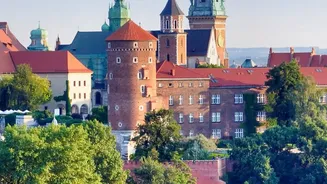
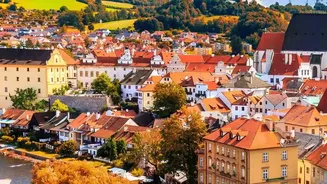
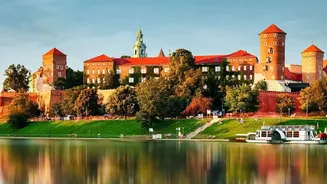
Kraków’s Historic Centre tells a story of survival and cultural grandeur. Unlike Warsaw, which was largely rebuilt after World War II, Kraków emerged from the conflict with its architectural heritage remarkably intact. Its story is etched into the very layout of the city, from the foot of Wawel Hill, the seat of Polish kings, to Europe's largest medieval market square. The Royal Route connects landmarks that narrate Poland's identity, from St. Florian's Gate through the bustling square with its magnificent Cloth Hall, and culminating at Wawel Castle, a stunning complex of Gothic and Renaissance architecture. The neighbouring district of Kazimierz adds another chapter, telling the story of centuries of Jewish life, faith, and culture. Walking through Kraków is like reading an urban history book, where every building and street corner reveals a piece of its journey from a medieval capital to a modern cultural hub.
Wieliczka Salt Mine, Poland: A Journey Into the Earth
Just a short distance from Kraków lies a story that unfolds deep underground. The Wieliczka and Bochnia Royal Salt Mines were a continuous source of wealth and industry from the 13th century until commercial mining ceased in 1996. But this is more than just an industrial site; it's a testament to the faith and artistry of the miners. Over centuries, they carved chapels, statues, and chandeliers directly from the rock salt, transforming their subterranean workplace into an astonishing art gallery. The most breathtaking example is the Chapel of St. Kinga, a complete church located deep within the mine. The mine's story also includes darker chapters, such as its use as an underground factory by occupying German forces during WWII. As one of the very first sites named to the UNESCO World Heritage List in 1978, Wieliczka tells a powerful story of human ingenuity, devotion, and endurance against all odds.
Curonian Spit, Lithuania/Russia: A Duel Between Man and Nature
The Curonian Spit is a 98-kilometre-long, thin sand-dune peninsula that tells a dramatic tale of humanity's struggle against the forces of nature. This unique landscape of shifting dunes and seaside forests was nearly lost. Intensive deforestation starting in the 16th century destabilized the dunes, causing sand to bury entire villages. The story written on this landscape is one of restoration. Beginning in the 19th century, a massive stabilization project began. Workers planted vast swathes of trees and reinforced the dunes to halt the encroaching sand. This effort saved the spit, creating the fragile, wooded cultural landscape we see today, a place shared by both Lithuania and Russia. It stands as a powerful example of an environment shaped by both destructive and restorative human intervention, a narrative of ecological survival where tiny fishing villages and unique cultural traditions endure.
Tokaj Wine Region, Hungary: A Landscape of Liquid Gold
The story of the Tokaj wine region is one of tradition, terroir, and a legendary sweet wine. This historic cultural landscape, with its patchwork of vineyards, villages, and river valleys, has been dedicated to winemaking for centuries, with some records dating back to the 1500s. The landscape itself is a key character in this story. The region's volcanic soils and the unique microclimate created by its rivers produce conditions for a fungus called "noble rot" (Botrytis). This fungus concentrates the sugars in the grapes, resulting in the famous sweet Tokaji Aszú wine, once celebrated by King Louis XIV as the "wine of kings, the king of wines." The story continues underground in a labyrinth of cellars carved from volcanic rock, where the wines mature. After decades of decline during the communist era, the region is now rediscovering its identity, making the landscape a living chronicle of resilience and revival.