







The Soothing Power of a Ginger Compress
For centuries, ginger has been a cornerstone of traditional medicine, celebrated for its potent anti-inflammatory and pain-relieving properties. When used externally in a hot compress, it helps to stimulate blood flow to a specific area, which can ease
tension, reduce swelling, and provide relief from chronic and acute pain. People often use ginger compresses for everything from arthritis and backaches to menstrual cramps and stiff muscles, harnessing the root's natural warming qualities to melt away discomfort.
Warning Signs: Why It Stings or Turns Red
A ginger compress should feel warm and comforting, not painful. If you experience stinging, burning, or significant redness, it’s a clear sign of skin irritation. This reaction can happen for several reasons. The ginger solution might be too concentrated, you may have left the compress on for too long, or your skin could simply be sensitive to ginger's potent compounds, like gingerol. While a temporary pink flush can occur due to increased circulation, persistent redness or a rash is your body telling you to stop. This is different from a true, though rare, ginger allergy, which might involve hives, itching, or even respiratory issues.
The Safe Method: How to Make Your Compress
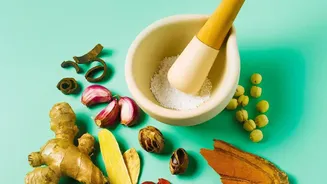
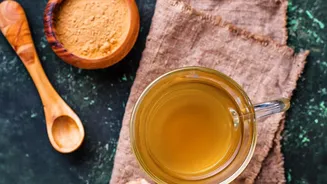
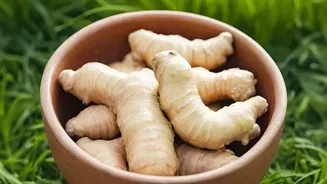
Crafting a safe and effective ginger compress is all about the right preparation and proportions. Using fresh ginger is key; powdered ginger should be avoided. Start by grating a piece of fresh ginger root, about the size of a golf ball or a large knob. Wrap the grated ginger in a small piece of cheesecloth or thin cotton, tying it securely to create a small pouch. Bring a large pot with about two litres of water to a boil, then reduce the heat to a simmer. Drop the ginger pouch into the water and let it infuse for at least five to ten minutes, but do not continue to boil it. The water should smell strongly of ginger. This creates a ginger tea that is potent enough to be effective without being overly harsh on the skin.
Proper Application for Soothing Relief
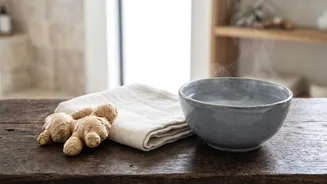
Once your ginger water is ready, turn off the heat. Dip a small cotton towel into the pot, being careful not to burn yourself. Wring it out thoroughly so it’s damp and hot but not dripping. Before placing it on the affected area, test the temperature on a less sensitive part of your skin, like your forearm, to ensure it's tolerable. Apply the warm towel to the area needing relief and cover it with a larger, dry towel to hold in the heat. Leave it in place for about 15 to 20 minutes, replacing the compress with a freshly soaked one as it cools to maintain a consistent warmth. The goal is gentle, penetrating heat. If you feel any stinging, remove it immediately.
When to Avoid a Ginger Compress
While generally safe when prepared correctly, there are times when a ginger compress should be avoided. Do not apply a hot compress if you have a high fever. It should also never be used on open wounds, rashes, or areas with very sensitive or broken skin. Some sources advise against applying it directly over the spine. People with known bleeding disorders should exercise caution, as ginger may have mild blood-thinning properties. And if you have a known sensitivity or allergy to ginger, you should not use it topically. For those with sensitive skin, performing a patch test with a small amount of the ginger water before full application is a wise precaution.