






The Wall as a Canvas
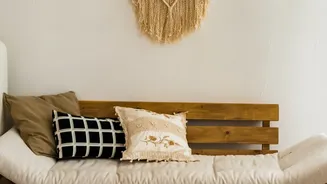
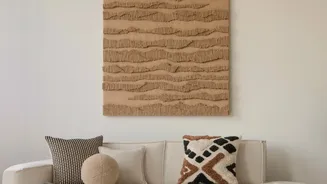
One of the most impactful ways to use an oversized textile is as a wall tapestry. It can serve as a stunning focal point, much like a large piece of art, but with the added benefits of texture and sound absorption. Consider hanging a large tapestry behind
a sofa in the living room or as a dramatic headboard in the bedroom. This approach works especially well when you want to make a big statement without committing to wallpaper. For a polished look, you can have the textile professionally framed or mounted. For a more relaxed, bohemian feel, hang it from a decorative curtain rod or even a found branch. The key is to ensure the tapestry is connected to the furniture below it, leaving about 15-25 cm of space between the bottom of the fabric and the top of the sofa or headboard to create a cohesive look.
The Art of the Throw
An oversized throw blanket is a versatile styling tool that adds a layer of comfort and luxury. While its primary function is warmth, a large throw can also introduce colour and texture to a room. There are several ways to style it. For an effortless, lived-in look, pinch the throw off-centre and casually drape it over the corner of a sofa or armchair, letting it fall naturally. This method is great for softening the hard lines of modern furniture. If you prefer a more tailored and tidy aesthetic, a structured fold is a better choice. Fold the blanket neatly into thirds lengthwise and lay it smoothly across the foot of a bed or over the back of a sofa. This technique highlights the pattern and colour of the textile and gives the room a more composed, hotel-like feel.
Grounding the Room
Textiles aren't just for walls and furniture; they can also be used as unique floor coverings. While not a replacement for high-traffic area rugs, certain oversized textiles can add a soft, decorative layer to a floor. This works particularly well in lower-traffic areas like bedrooms or studies. You can layer a decorative textile over an existing sisal or jute rug to add pattern and softness. Some durable, heavy-duty cotton canvas textiles, known as floorcloths, are specifically designed for this purpose and can be a stylish alternative to traditional rugs. When using a textile on the floor, ensure it has a non-slip pad underneath to prevent accidents. The textile can help define a space, absorb sound, and add a dose of unexpected texture underfoot.
Mastering Scale and Proportion
The most crucial element to using oversized textiles successfully is understanding scale and proportion. Scale refers to how the size of the textile relates to the size of the room and the furniture within it. A common mistake is choosing a piece that is either too large or too small for its surroundings. A tapestry should ideally cover about two-thirds of the width of the furniture it hangs above; any smaller and it will look lost. Conversely, a textile that covers an entire wall in a small room can make the space feel cramped and visually heavy. Proportion is about how different elements relate to each other. If you use a large-scale pattern on a tapestry, balance it with more subdued, smaller patterns or solid colours elsewhere in the room to avoid a chaotic feel. Always leave some 'negative space' or empty wall area around the textile to give the eye a place to rest.
Choosing the Right Fabric
The material of your textile plays a huge role in the overall effect. Heavier fabrics like wool or thick weaves lend a sense of coziness and are perfect for creating an intimate atmosphere. They drape beautifully and add significant textural depth. Lighter materials such as cotton or linen feel more airy and casual, making them suitable for a relaxed, breezy aesthetic. When selecting a pattern, consider the existing decor. If your room is already busy with patterns, a solid-coloured or subtly textured textile might be best. If your room is more neutral, a bold, graphic pattern can serve as the perfect statement piece. The goal is to choose a textile that complements the room's style and adds a new layer of interest without clashing with what's already there.