



The Magic of a Stale Loaf
The secret behind the superiority of day-old bread lies in a simple process. As bread ages, it loses moisture. This isn't just about it drying out; it's a process called starch retrogradation, where the starch molecules in the bread recrystallize and
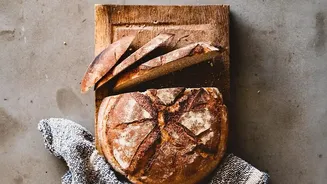
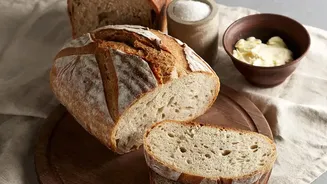
push water out. This results in a firmer, more stable structure. While this might not be ideal for a soft sandwich, it’s precisely what you want for dishes that involve soaking. A fresh, soft slice of bread will turn to mush when it hits a liquid-like custard or vinaigrette. A day-old slice, however, acts like a sturdy sponge, eagerly absorbing flavours without collapsing. Sourdough, with its naturally robust and open crumb, is particularly well-suited for this second life. Its tangy flavour profile also adds a layer of complexity that plain white bread just can't match.
Perfecting Sourdough French Toast
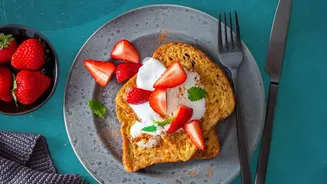
For French toast, using day-old sourdough is a game-changer. The slightly dry, firm slices can soak up a rich egg custard without becoming soggy or falling apart in the pan. This ability to absorb more liquid means a more flavourful, custardy interior with a beautifully crisp, golden-brown exterior. To achieve this perfection, start with thick slices, about three-quarters to one inch thick. This thickness is crucial for the bread to hold its structure. Prepare a simple custard of eggs, milk or cream, a touch of sugar, and flavourings like vanilla and cinnamon. Allow the sourdough slices to soak for a generous amount of time—some recipes suggest several minutes per side—to ensure the custard penetrates deep into the bread. When cooking, use a combination of butter and oil over medium-low heat. This prevents the butter from burning while giving you that irresistible caramelized crust and ensuring the centre cooks through evenly.
The Secret to a Superior Panzanella
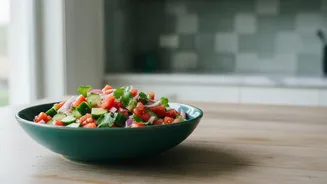
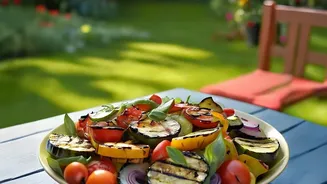
Panzanella is a classic Italian bread salad that was born from the desire to not waste a single crumb. It’s a dish where stale bread isn't just an ingredient; it's the star. Using day-old, crusty sourdough provides the perfect texture that is the hallmark of a great Panzanella. The bread cubes, which are often torn by hand into bite-sized pieces, are thirsty for dressing. They soak up the juices from ripe tomatoes, the sharpness of red wine vinegar, and the richness of good olive oil, all while maintaining a pleasant, chewy integrity. Unlike fresh bread which would dissolve into a porridge-like consistency, or overly hard croutons that can be tough to eat, day-old sourdough strikes the perfect balance. Some modern recipes call for toasting the bread cubes in the oven with olive oil and garlic to enhance their flavour and texture before tossing them with tomatoes, cucumber, red onion, and fresh basil. The salad should then rest for at least 15-30 minutes, allowing the bread to meld with the flavours of the other ingredients.
Don't Stop There
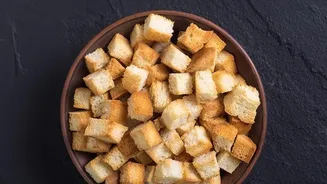
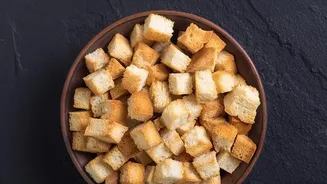
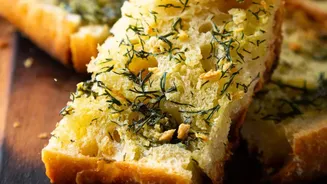
The utility of day-old sourdough extends far beyond these two classic dishes. Those firm slices are perfect for creating homemade croutons to top soups and salads; just cube the bread, toss with olive oil and herbs, and bake until golden. You can blitz it in a food processor to make breadcrumbs for coating chicken or fish, or as a binder in meatballs. It's also the ideal base for a savoury bread pudding or a hearty breakfast casserole, where its absorptive qualities are once again put to excellent use. Day-old sourdough is also excellent for crostini or bruschetta, where the slices are sturdy enough to hold a variety of toppings.