

The Foundation: A High-Protein Crust
The most significant protein boost starts with the base. Traditional pizza dough is delicious but primarily made of flour. By swapping or adding a few key ingredients, you can create a crust that’s both sturdy and protein-rich. One popular method involves
using Greek yogurt or blended cottage cheese. A simple dough can be made by mixing flour with an equal part of plain Greek yogurt or smooth cottage cheese, along with baking powder and salt. This no-yeast dough comes together in minutes, requires no rise time, and bakes into a crust that's chewy on the inside and crisp on the edges. For the best results, roll the dough very thin—about ⅛ inch thick—and par-bake it for a few minutes before adding toppings to prevent any sogginess.
Beyond Flour: Unconventional Bases
For those looking to get even more creative and pack in maximum protein, the crust doesn't even need to be made with flour. A popular low-carb, high-protein alternative is a crust made from blended cottage cheese and eggs, sometimes with a little cheese mixed in for stability. This mixture is spread onto a parchment-lined tray and baked until set, creating a surprisingly firm base that’s ready for your favourite toppings. Other innovative home cooks have developed crusts made from ground chicken or even chickpeas, pushing the boundaries of what a pizza can be while significantly upping the nutritional value. These flourless options are fantastic for anyone following a gluten-free or low-carb lifestyle.
Smart Toppings That Pack a Punch
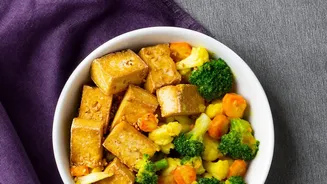
Toppings are the easiest and most versatile way to add more protein. While pepperoni is a classic, switching to leaner meats can make a big difference. Think grilled chicken breast, turkey sausage, or even quality sliced ham. These options deliver substantial protein without the high fat content of many traditional cured meats. Don't overlook seafood; shrimp is an excellent high-protein, low-fat topping choice. For a vegetarian or vegan boost, marinated tofu or tempeh can be delicious additions that crisp up nicely in the oven. Legumes are another great option; try scattering roasted chickpeas or even a light spread of mashed beans on your pizza for added protein and fibre.
The Cheese and Sauce Strategy
Even your cheese and sauce can contribute to the final protein count. While all cheese contains protein, some offer a better ratio than others. Part-skim mozzarella is a classic choice that balances meltiness with a good amount of protein. Cottage cheese and ricotta can be dotted on top for creamy pockets of flavour and a significant protein increase. Parmesan, while not a primary melting cheese, is one of the highest in protein and can be sprinkled on top for a savoury finish. For the sauce, consider blending a bit of cottage cheese or puréed white beans into your standard tomato sauce. This can add a creamy texture and a hidden layer of protein without altering the flavour dramatically.