


The Wild Westfjords
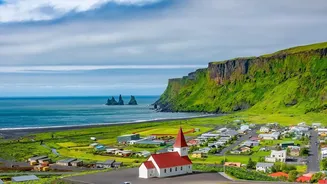
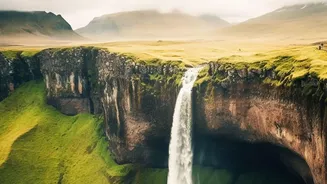
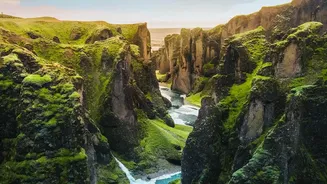
A world away from the Ring Road crowds, the Westfjords peninsula is a maze of dramatic, plunging cliffs, deep blue fjords, and tiny fishing villages. It’s a haven for wildlife, including puffins at the colossal Látrabjarg cliffs, and its sheer isolation
is a powerful draw. However, that isolation is dictated almost entirely by weather. Many of the region's roads are unpaved, and mountain passes can become impassable from October through May due to heavy snow. For this reason, the Westfjords are primarily a summer destination, best visited between June and August when roads are clear, services are open, and the days are long. Even in summer, be prepared for rapid shifts from sun to fog and chilling winds. Always pack waterproof layers and have a flexible itinerary, as a sudden storm can easily alter your plans.
The Serene Eastfjords
Often bypassed by those rushing along the Ring Road, the Eastfjords offer a slower, more contemplative Icelandic experience. This region is defined by its long, winding fjords, colourful fishing towns like Seyðisfjörður, and being the only place in Iceland where you can spot wild reindeer. Compared to the Westfjords, this area is more accessible year-round, but weather still plays a major role. The coastal areas are prone to thick fog and persistent rain, which can obscure the stunning scenery. In autumn (September-November), the crowds disappear, the landscape turns a brilliant gold, and the Northern Lights season begins. Winter travel is possible, but requires caution, a well-equipped vehicle, and constant monitoring of road conditions, as storms can bring heavy snow. Summer offers the most reliable conditions for hiking and exploring the region's vibrant local arts scenes.
The Volcanic Highlands
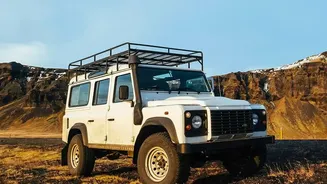
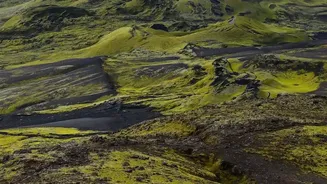
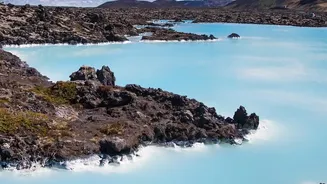
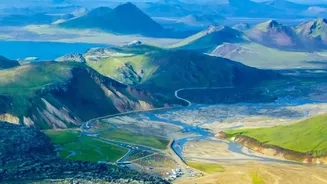
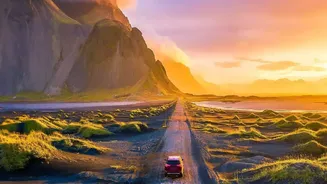
The Highlands are Iceland's raw, uninhabited heart: a volcanic desert of black sand, colourful rhyolite mountains, hidden hot springs, and braided glacial rivers. Places like Landmannalaugar and Þórsmörk offer some of the most epic hiking on the planet. This landscape is so fragile and extreme that it is entirely inaccessible for most of the year. The mountainous F-roads that crisscross the interior are unpaved and involve river crossings, opening only for a short window in the summer, typically from late June to early September. Access requires a 4x4 vehicle, and attempting the drive without one is illegal and dangerous. The weather here is the most unpredictable in all of Iceland; snow can fall even in August, and conditions can change in minutes. Never venture into the Highlands without checking road status on road.is and weather forecasts on vedur.is. Guided tours are a wise option for those unfamiliar with the challenging conditions.
The Snaefellsnes Peninsula
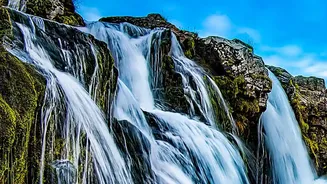
Often called 'Iceland in Miniature', the Snæfellsnes Peninsula packs glaciers, lava fields, dramatic sea stacks, and charming villages into one compact, 90-kilometre stretch. It's crowned by the mystical, glacier-topped Snæfellsjökull volcano. Its main advantage is accessibility; located in West Iceland, it's a relatively easy drive from Reykjavík and can be explored year-round. However, don't underestimate the weather. Coastal winds can be fierce, and sudden showers are common. In winter, the landscape is transformed by snow, offering dramatic views of Kirkjufell mountain and opportunities to see the Northern Lights. But icy roads require careful driving and a suitable vehicle. Summer provides the best weather for hiking, wildlife spotting, and enjoying the long daylight hours, making it the most popular time to visit. Regardless of the season, packing layers and waterproof gear is non-negotiable.