








India's electric vehicle market is white-hot, and the October 2026 sales numbers are in to prove it. The country witnessed a staggering year-over-year jump in electric car sales, smashing previous records and signaling a powerful shift.
The Headline Numbers: A 76% Leap
The data for October
2026 reveals a dramatic acceleration in India's adoption of electric cars. Retail sales of electric passenger vehicles soared to approximately 37,049 units. This represents an astonishing 76.47% increase compared to the 20,995 units sold in October 2025. This surge pushed the market share of electric vehicles in overall passenger car sales to 7.3%, more than double the 3.5% share recorded in the same month last year. While the growth is impressive, it's worth noting that sales saw only a marginal 2.61% increase from the previous month, September 2026.
Tata Motors Continues to Dominate
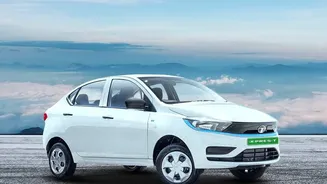
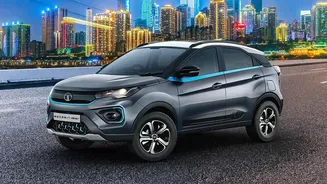
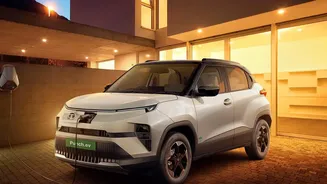
Tata Motors remains the undisputed leader in India's EV space. In October 2026, the company retailed 14,669 electric vehicles, a massive 77.6% growth from the previous year. This performance secured Tata a commanding market share of over 40%. The company's diverse portfolio, including popular models like the Nexon EV, Punch EV, and Tiago EV, allows it to cater to a wide range of price points, solidifying its leadership position even as new competitors enter the market.
The Challengers: Mahindra and MG Gain Ground
While Tata leads, the competition is heating up. Mahindra & Mahindra has firmly established itself in the number two spot, with sales of 8,538 units in October 2026. This marks a remarkable 85.7% year-over-year growth, allowing Mahindra to increase its market share to 23.7%. JSW MG Motor India holds the third position, with 5,939 units sold, a respectable 10.8% increase from October 2025. Together, Tata and Mahindra control a significant 64.4% of the Indian electric car market. New entrants like Vietnamese automaker VinFast are also making their presence felt, showing exponential growth from a low base last year.
What's Fuelling This Electric Boom?
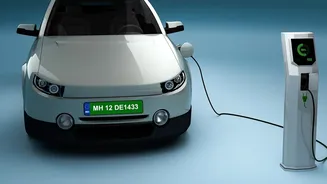
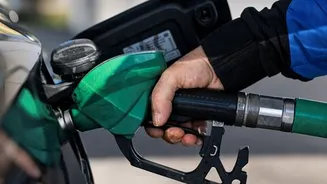
Several key factors are driving this impressive growth. Government initiatives and support programs, such as the FAME II and PM E-DRIVE schemes, have been crucial in making EVs more affordable and attractive to consumers. Simultaneously, rising fuel costs are making the lower running costs of electric vehicles a significant financial incentive for buyers. The expansion of charging infrastructure, while still a work in progress, is steadily reducing 'range anxiety'. Furthermore, a wider selection of models from various manufacturers, offered at multiple price points, means there are now more compelling electric options for Indian families than ever before.
The Road Ahead and Lingering Challenges
The October sales figures are a strong indicator that India is firmly on the path to electric mobility. This momentum is critical for the country's ambitious goal of having EVs make up 30% of private car sales by 2030. Industry sales for the calendar year 2026 have already surpassed 300,000 units, a first for India. However, challenges remain. The high upfront cost of electric cars compared to their internal combustion engine counterparts is still a barrier for many. Continued investment in a robust and widespread public charging network is also essential to sustain this growth and encourage adoption in smaller cities and rural areas.