








The Case of the Missing Exhausts
One of the most talked-about changes is the move to conceal the exhaust pipes on certain models. While performance-focused SV variants still feature prominent exhausts to signal their power, other versions are adopting a cleaner, pipe-free rear bumper.
This isn't a cost-cutting measure but a deliberate design choice that aligns with a major industry trend. Automakers are increasingly hiding exhaust pipes to create a sleeker look, avoid the soot that can stain shiny chrome, and psychologically prepare consumers for an all-electric future where tailpipes will be obsolete. Land Rover is embracing this by integrating the design across its lineup, especially with an all-electric Range Rover Sport on the horizon which will naturally feature a closed-off rear. This move is part of a philosophy the brand calls “reductive design”—stripping away visual clutter for a more modern and sophisticated appearance.
A Reworked Grille and Front Fascia
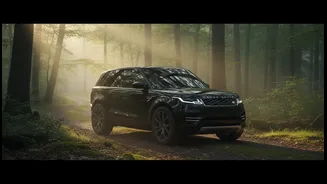
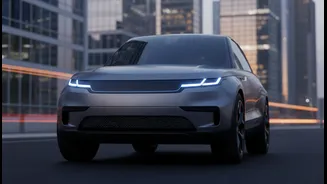
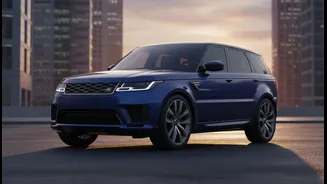
The changes aren't just at the back. The front of the Range Rover Sport has been given a thoughtful refresh to enhance its assertive stance. The grille, a key part of any vehicle's identity, has been reworked with a more intricate and detailed pattern, creating a sense of visual depth. This new grille is complemented by slimmer, updated LED headlights that provide a sharper, more modern light signature. Depending on the trim level, the grille and surrounding accents can be finished in chrome or a stealthy gloss black, as seen on the SV Black edition. These modifications are not just for show; they also contribute to improved aerodynamics, guiding air more efficiently for better performance and stability. It’s a subtle evolution, but one that effectively communicates a more refined and contemporary outlook.
A Philosophy of 'Reductive Design'
These updates to the grille and exhaust aren't isolated tweaks. They are key components of Land Rover's overarching design philosophy of “reductive” or “monolithic” styling. The goal is to make the vehicle look as though it was sculpted from a single, solid block of material. This is achieved by removing unnecessary lines, creases, and decorative elements. You can see this principle in other areas of the new Sport, such as the deployable door handles that sit perfectly flush with the bodywork when not in use, and the laser-welded roof that eliminates the need for visible trim lines. The result is an incredibly smooth and clean silhouette that feels both powerful and understated. This minimalist approach elevates the sense of luxury, moving away from flashy details toward a look of quiet confidence and high-tech precision.
Signaling the Future of Luxury
So, what does this all mean for the brand? These design changes are a clear signal of where Range Rover is headed. By cleaning up the exterior and hiding traditionally mechanical elements like exhaust pipes, Land Rover is repositioning the Sport for a new era of luxury. The new aesthetic aligns perfectly with the rise of electric vehicles and a design sensibility that values clean lines and technological sophistication over old-school brute force. It’s a visual pivot that appeals to a modern luxury consumer who appreciates both heritage and forward-thinking innovation. The imposing presence remains, but it's now delivered with a sleeker, smarter, and more refined execution. This design language bridges the gap between the brand's powerful combustion-engined past and its upcoming all-electric future, ensuring the Range Rover Sport remains a benchmark for desirable, high-performance SUVs.