






Choose Your Method Wisely
The way you cook your food has a profound effect on its nutritional content. Methods that require little to no added fat, like baking, roasting, broiling, and poaching, are excellent choices. Steaming, in particular, is one of the best methods for preserving
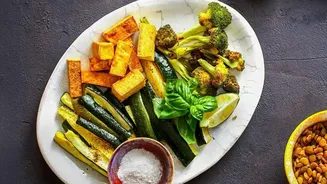
heat-sensitive and water-soluble nutrients, such as vitamin C and B vitamins. Studies have shown that steamed broccoli, for instance, retains more of its beneficial compounds compared to when it's boiled or fried. While deep-frying can add excessive unhealthy fats, healthier techniques like sautéing and stir-frying use minimal oil and short cooking times, which can help prevent the loss of certain vitamins. Even using your microwave with a small amount of water effectively steams food from the inside out, preserving more nutrients than many other methods.
Maximise Nutrients, Minimise Loss
Cooking is a balancing act. While it can make some nutrients more available for absorption—like lycopene in tomatoes—it can also lead to nutrient loss. High heat and long cooking times are often the biggest culprits. To protect the vitamins and minerals in your food, try to cook for the shortest time possible and use minimal water. If you boil vegetables, consider using the leftover nutrient-rich water in a soup or sauce instead of pouring it down the drain. Another simple trick is to cook vegetables whole or in larger pieces, and peel them after cooking, not before. This reduces the surface area exposed to heat and water, helping to keep more goodness locked inside.
Elevate Meal Quality with Whole Foods
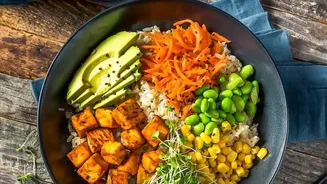
Beyond the cooking technique, the quality of your ingredients is fundamental. Building your meals around whole, unprocessed foods is a cornerstone of healthy eating. This means choosing fresh fruits and vegetables, lean proteins, and whole grains like quinoa or brown rice over their refined counterparts. When selecting meats, opt for lean cuts and trim any visible fat before cooking to reduce your exposure to potentially harmful compounds that can form when fat drips onto a high-heat source like a grill. Swapping breaded, frozen chicken for fresh chicken coated in ground almonds and baked is a simple but effective upgrade. Even leaving the skin on vegetables like potatoes and carrots (after a good wash) can boost your intake of fiber and antioxidants.
Flavour Without the Overload
Healthy food should never be bland. Often, what makes restaurant food so appealing is its heavy reliance on salt, sugar, and fat—ingredients that are fine in moderation but detrimental in excess. You can achieve incredible flavour at home by mastering the use of other ingredients. Aromatic herbs and spices like rosemary, basil, turmeric, and ginger not only add depth and complexity but also offer their own health benefits, such as anti-inflammatory properties. Acidity is another secret weapon in the kitchen. A splash of lemon juice, lime, or vinegar added at the end of cooking can brighten and balance flavours, cutting through richness and making the entire dish taste more vibrant.
Plan for Success
Consistently cooking healthy meals is easier with a bit of foresight. Meal planning is a powerful strategy that saves time and helps you stay on track, steering you away from last-minute unhealthy choices. Dedicating some time to chop vegetables or cook a large batch of a whole grain like brown rice can streamline your cooking process during a busy week. Cooking at home gives you complete control over your ingredients, portion sizes, and cooking methods. Research shows that people who frequently cook at home tend to have healthier diets overall, consuming less saturated fat and sodium. By making these small, intentional changes a part of your regular routine, you build a foundation for long-term health and wellness.