






The Hydration Showdown
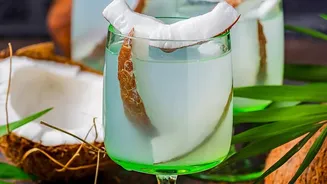
When it comes to pure hydration, both drinks are effective but work in slightly different ways. Coconut water, often called a 'natural isotonic drink', is prized for its ability to quickly replenish fluids and electrolytes lost through sweat. Its composition
of minerals like potassium, sodium, and magnesium helps restore fluid balance, making it an excellent choice after being in the sun or doing light physical activity. Buttermilk, or chaas, also has a high water content and provides electrolytes, helping to replenish the body's fluids. While coconut water may hydrate faster, buttermilk's cooling properties provide a different kind of relief from the heat.
Nutritional Face-Off: Calories, Carbs, and Sugar
For those mindful of their daily intake, the nutritional differences are significant. Coconut water is the lighter option, with one cup (around 240ml) containing about 46 to 60 calories. In contrast, a cup of buttermilk has roughly 98 calories. However, buttermilk offers more protein and calcium, making it a more filling beverage. In terms of sugar, both are relatively low if you stick to their natural, unsweetened forms. A 100-gram serving of each contains a similar amount of sugar, though some analyses show coconut water being slightly lower. The key is to avoid store-bought versions that often contain added sugars, which can increase the calorie count significantly.
The Electrolyte Advantage
Electrolytes are crucial for hydration, and this is where coconut water often claims an edge. It is exceptionally rich in potassium, a mineral vital for fluid balance that's lost in sweat. A single serving can provide a significant portion of your daily potassium needs. It also contains sodium, calcium, and magnesium. Buttermilk also provides potassium and, importantly, can be a better source of sodium, especially when prepared traditionally with a pinch of salt. This makes buttermilk particularly effective at replacing salt lost during heavy sweating. However, for a quick, potassium-rich electrolyte boost, coconut water is generally considered superior.
Digestive Health and Gut Benefits
Here, buttermilk takes the lead. As a fermented drink, chaas is a natural source of probiotics—the beneficial bacteria that support a healthy gut. Consuming buttermilk, especially after a meal, can aid digestion, reduce bloating, and soothe the stomach. Traditional preparations often include spices like cumin and mint, which further enhance its digestive properties. Coconut water is also gentle on the stomach and contains natural enzymes that can support digestion, but it lacks the powerful probiotic punch that buttermilk delivers.
When to Choose Which Drink
The best choice really depends on the situation. Coconut water is ideal for quick, light rehydration and an immediate electrolyte boost. Think of it as a perfect post-workout drink or a refresher after spending time in the heat. Its low-calorie nature makes it great for sipping on an empty stomach to maximize absorption. Buttermilk shines as a post-meal beverage. Its probiotic content helps with digestion, and its cooling nature makes it a soothing accompaniment to a heavy lunch on a hot day. If you've been sweating profusely and need to replace lost sodium, a salted glass of chaas is an excellent option.