


A Green Revolution in a Chai Nation
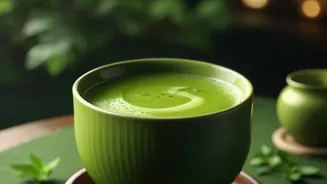
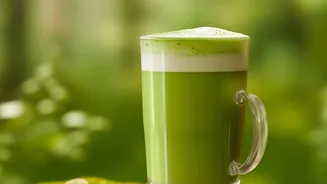
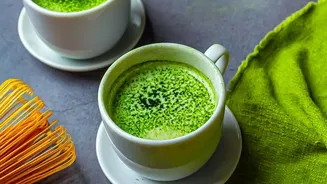
In a country where chai is deeply woven into the cultural fabric, the rise of a bright green, frothy beverage is a curious sight. Yet, from Mumbai to Delhi and Bangalore, matcha lattes are becoming a staple on cafe menus. This isn't just an anecdotal
trend; search data confirms a significant spike in interest. Over the past year, Google searches in India for 'how to make matcha' surged by 1,300%, while queries about its health benefits have also skyrocketed. This boom is driven by health-conscious millennials and Gen Z consumers who are drawn to matcha's unique flavour profile, wellness story, and undeniable visual appeal on platforms like Instagram. The Indian matcha market is growing at a remarkable 8.6% annually, outpacing the traditional tea market and signalling a genuine shift in urban beverage preferences.
So, What Exactly Is Matcha?
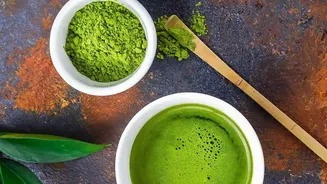
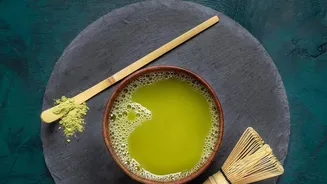
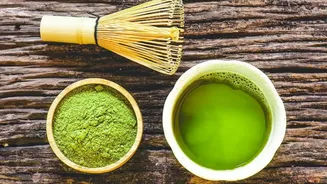
Matcha is not just another type of green tea. Its uniqueness comes from a special cultivation and preparation process with deep roots in Japanese tea ceremonies. The tea plants (Camellia sinensis) are shaded for about three weeks before harvest. This process boosts the production of chlorophyll and amino acids, particularly L-theanine, giving the leaves a vibrant green colour and a complex, umami-rich flavour. After harvesting, the leaves are steamed, dried, and then stone-ground into an extremely fine powder. Unlike regular tea where you steep and discard the leaves, with matcha you consume the entire leaf, whisked into a frothy suspension. This means you get a much more concentrated dose of the leaf's nutrients and compounds.
The Powerful Allure of Wellness
Much of matcha's popularity is tied to its reputation as a wellness powerhouse. It is packed with antioxidants, particularly a catechin called EGCG, which is believed to help protect cells from damage. But the real magic for many converts lies in the combination of caffeine and L-theanine. While coffee provides a sharp jolt of energy that can sometimes lead to jitters and a subsequent crash, the L-theanine in matcha promotes a state of 'calm alertness'. This provides sustained energy and focus without the anxiety, making it an attractive alternative for work or study. Studies and health experts also point to potential benefits for heart health, metabolism, and cognitive function, making it a compelling choice for India's increasingly health-conscious consumers.
Beyond the Traditional Whisk
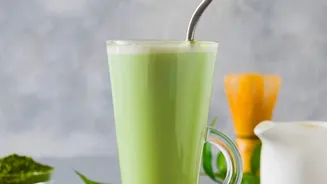
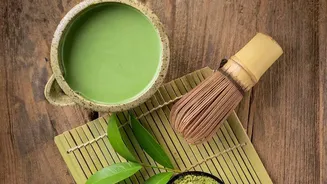
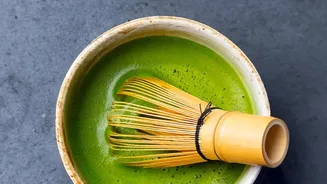
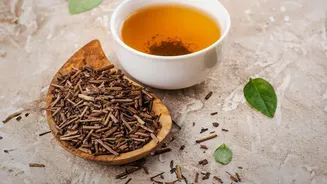
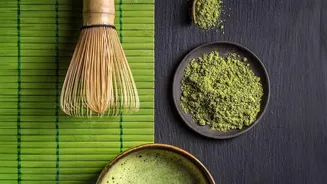
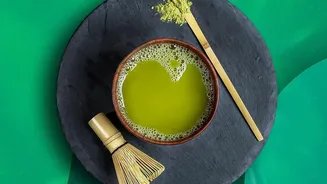
While traditional preparation involves a bamboo whisk and bowl, Indians are embracing matcha in creative and locally adapted ways. The matcha latte is the most popular entry point, but the experimentation doesn't stop there. Searches for 'mango matcha' and 'strawberry matcha' have seen huge increases, showing a desire to blend the earthy tea with familiar fruit flavours. 'Dirty matcha'—a shot of espresso poured over a matcha latte—is also gaining traction, marrying the new trend with the established coffee culture. Beyond drinks, matcha is finding its way into everything from desserts and protein bars to even face masks. This wave of curiosity is also opening the door for other Japanese teas, like Hojicha, a roasted green tea with a nutty flavour and lower caffeine content, which is also seeing a rise in popularity.
A Starter's Guide to Matcha
Ready to dive in? Start by understanding the two main grades. 'Ceremonial grade' is the highest quality, meant for drinking with just water, and has a delicate, sweet flavour. 'Culinary grade' is more robust and slightly more bitter, making it ideal for lattes, smoothies, and baking. When buying, look for a vibrant, electric green colour; dull, yellowish powders are a sign of poor quality or old stock. To prepare it at home, you don't necessarily need a traditional bamboo whisk (chasen), though it helps. You can use a small milk frother or even a blender. Simply sift one or two teaspoons of matcha powder into a bowl to remove clumps, add a small amount of hot (around 75-80°C, not boiling) water, and whisk vigorously until a smooth, frothy layer forms. Then, top with more hot water or steamed milk for a latte.