



Ghee: The Golden Elixir
For years, ghee was sidelined over fears of saturated fat, but this traditional clarified butter is making a major comeback. Made by simmering butter to remove milk solids and water, ghee is rich in fat-soluble vitamins like A, E, and K, which are crucial
for immunity, skin health, and strong bones. It also contains butyrate, a short-chain fatty acid that supports a healthy gut lining and reduces inflammation. Unlike many cooking oils, ghee has a high smoke point, making it a stable and safe choice for high-heat cooking. While it should be used in moderation, swapping refined oils for pure ghee can be a nourishing choice, just as Ayurveda has claimed for centuries.
Turmeric: The Anti-Inflammatory Spice
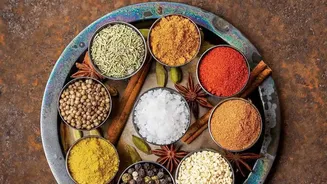
That vibrant yellow hue in your curry comes with powerful medicinal properties. The main active compound in turmeric is curcumin, a potent antioxidant and anti-inflammatory agent. Chronic inflammation is linked to numerous modern diseases, and studies have shown that curcumin can help manage symptoms of arthritis, support heart health, and even boost brain function. Its use in medicine dates back nearly 4,000 years. For better absorption, it's traditionally paired with a pinch of black pepper, which contains piperine, a substance that significantly enhances curcumin's bioavailability.
Dahi: The Probiotic Powerhouse
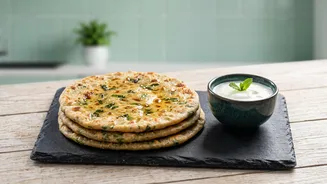
Homemade curd, or dahi, is more than just a cooling side dish. It's a natural probiotic food, teeming with beneficial bacteria that promote a healthy gut microbiome. A healthy gut is the foundation of good digestion and a strong immune system. Dahi is also an excellent source of calcium, protein, and B-vitamins. The fermentation process makes it easier to digest than milk, especially for those with lactose sensitivity. Regular consumption can help regulate digestion, improve nutrient absorption, and strengthen the body's natural defenses against infections.
Dal: The Humble Heart of a Meal
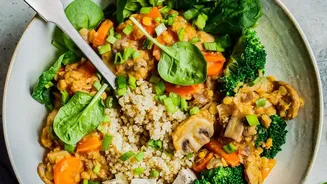
Lentils, or dal, are the backbone of Indian cuisine for good reason. They are an affordable and excellent source of plant-based protein, dietary fiber, and essential minerals like iron, magnesium, and folate. The high fiber content aids in digestion, helps regulate blood sugar levels by slowing sugar absorption, and promotes a feeling of fullness, which can assist with weight management. A simple bowl of dal provides sustained energy and is incredibly versatile. When paired with rice or roti, it forms a complete protein, offering all the essential amino acids your body needs.
Millets: The Ancient Super Grains
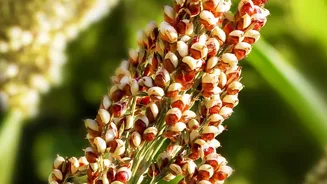
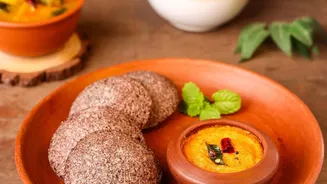
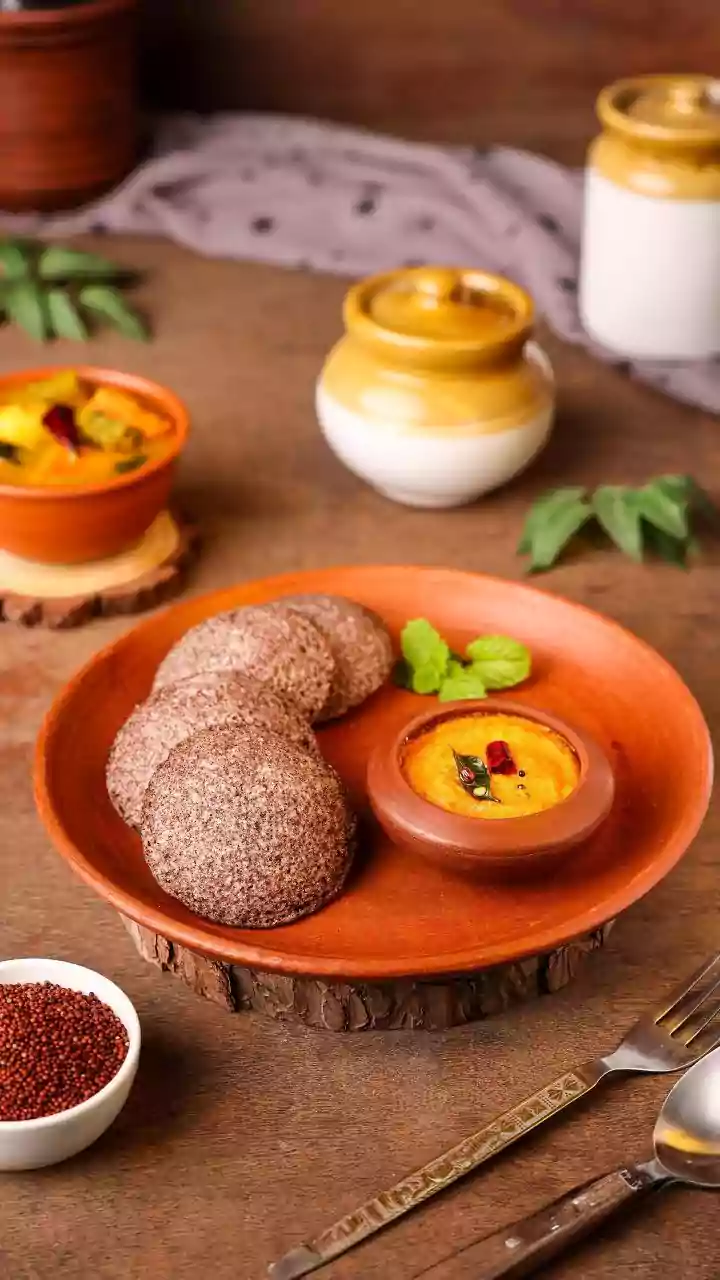
Once called "poor man's grains," millets like ragi, jowar, and bajra are now being celebrated as superfoods. These ancient grains are naturally gluten-free and packed with nutrients. They are rich in fiber, protein, antioxidants, and minerals such as iron, magnesium, and calcium. Ragi, for instance, has one of the highest calcium contents among cereals. With a low glycemic index, millets release energy slowly, preventing blood sugar spikes and making them an ideal grain for diabetics and anyone seeking stable energy levels. Their resilience as a crop also makes them an environmentally sustainable choice.
Amla: The Vitamin C Champion
The Indian gooseberry, or amla, is a true nutritional powerhouse. It is one of the most concentrated natural sources of Vitamin C, containing as much as 20 times that of an orange. This potent antioxidant content helps bolster the immune system, fight free radical damage, and support collagen production for healthy skin and hair. Amla is also rich in fiber, which aids digestion and helps regulate blood sugar. Its use in Ayurvedic remedies for over a millennium is a testament to its wide-ranging health benefits, from improving eye health to boosting memory.
Ginger: The Universal Medicine
Known in Ayurveda as 'vishwabheshaja' or "the universal medicine," ginger has been used for thousands of years to treat a variety of ailments. It is most famous for its ability to aid digestion and combat nausea. The active compound, gingerol, has powerful anti-inflammatory and antioxidant effects. Traditional medicine has used it for everything from soothing a sore throat and fighting the common cold to relieving menstrual cramps and arthritis pain. Whether added to tea, curries, or consumed on its own, this pungent root is a potent and versatile home remedy.