
First, What Is 'Scale'?
In fashion and floral design, 'scale' refers to the size of an object in relation to its surroundings. A tiny accessory can get lost in a grand setting, while a massive one can overwhelm a delicate frame. For hair, this means considering how the size of your
chosen flowers compares to your hairstyle, your physical proportions, and your overall outfit. The goal is to create balance. A large, statement flower like a gardenia or dahlia might overpower a very simple, sleek hairdo on a petite person, whereas a scattering of tiny baby's breath might look insignificant with a voluminous gown. Getting the scale right ensures your floral accessory complements your look rather than competing with it.
Matching Flowers to Your Hairstyle
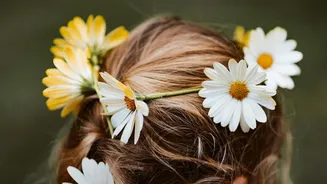
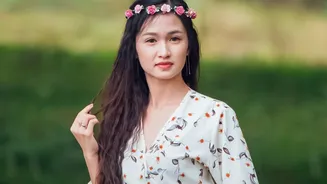
The hairstyle itself is a critical part of the equation. Intricate and detailed hairstyles, like complex braids or updos, often work best with smaller blooms like wax flowers, spray roses, or baby's breath. These can be tucked into the folds of the style without obscuring the handiwork. Conversely, simpler hairstyles provide a canvas for larger, more dramatic flowers. A single, show-stopping lily or peony can look stunning against loose, flowing waves or a simple low bun. If you have a short pixie cut, a few tiny, well-placed floral pins can add a touch of whimsy, while a large flower crown might be too overpowering. The rule of thumb is to let the hairstyle and flowers work together: if one is complex, the other should be simpler.
Consider the Flower's 'Personality'
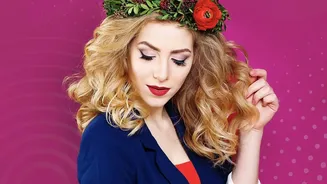
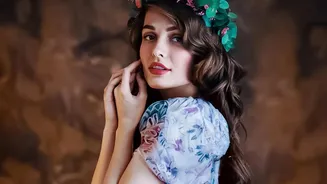
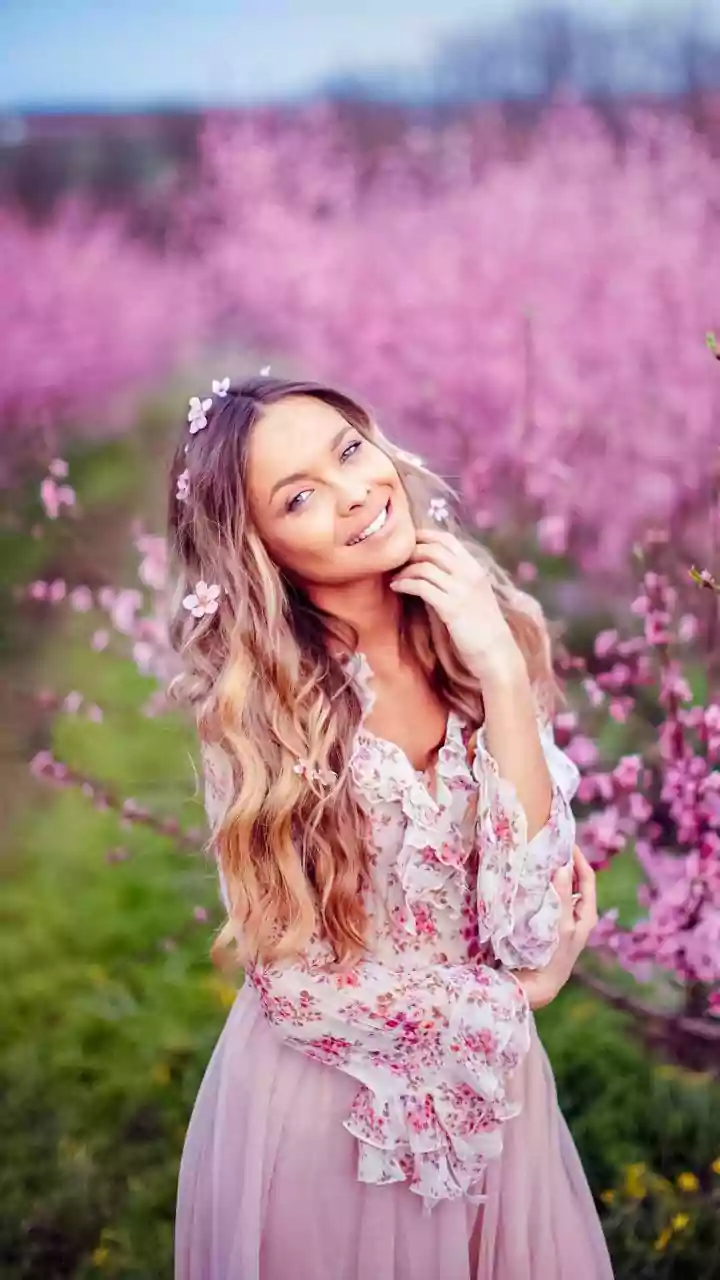
Beyond just size, flowers have their own character. Big, lush blooms like peonies and garden roses are inherently romantic and dramatic. They make a bold statement. Daintier flowers like daisies, lavender, and feverfew project a more rustic, bohemian, or playful feeling. Sturdy, architectural flowers like orchids and calla lilies lend a modern, elegant edge. When choosing your flowers, think about the mood you want to create. A crown of bold red roses sends a different message than a delicate sprinkling of white cherry blossoms tucked behind an ear. This choice should align with the occasion and your personal style.
Coordinating With Your Outfit
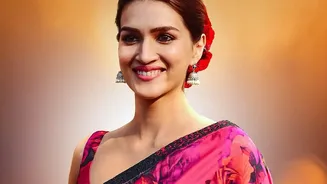
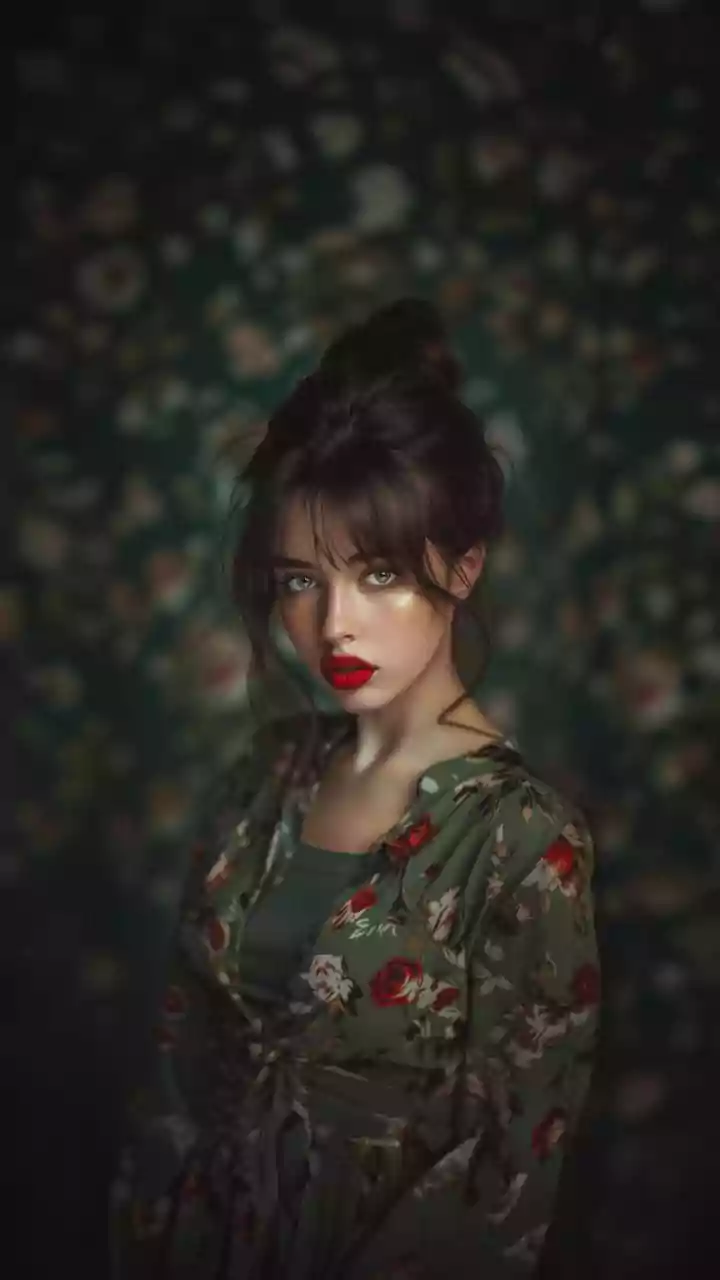
Your floral hair accessory doesn't exist in a vacuum; it has to work with your clothing. The principle of balance is key here. If your outfit is heavily patterned or features intricate detailing like lace or embroidery, opt for a simpler, smaller floral accent in a solid colour to avoid a look that feels too busy. If you're wearing a minimalist, monochrome outfit, you can afford to be bolder with your hair accessory. A vibrant floral crown or a large, colourful flower clip can serve as the focal point of your look. Also consider the outfit's silhouette. A flowy, bohemian dress naturally pairs well with a wildflower crown, while a structured, modern gown might call for a single, sculptural orchid.
Putting It All Together for the Occasion
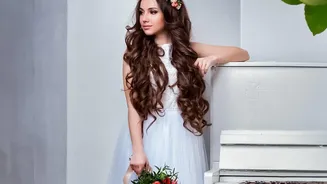
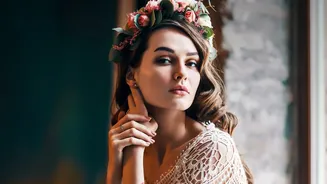
The event itself provides the final context. For weddings, the scale should feel elegant and intentional. Brides often choose flowers that complement their bouquet and the overall theme, with many opting for clusters of small-to-medium blooms or a single statement flower rather than an overwhelming arrangement. For festivals or casual garden parties, the rules can be relaxed. This is a great time to experiment with larger flower crowns or more playful, scattered placements. For everyday wear, a single small clip, a few floral pins, or a delicate ribbon is often the perfect way to incorporate the trend without it feeling like a costume. The key is to match the scale of your floral ambitions to the formality and atmosphere of the event.