

Rethinking the Refrigerator
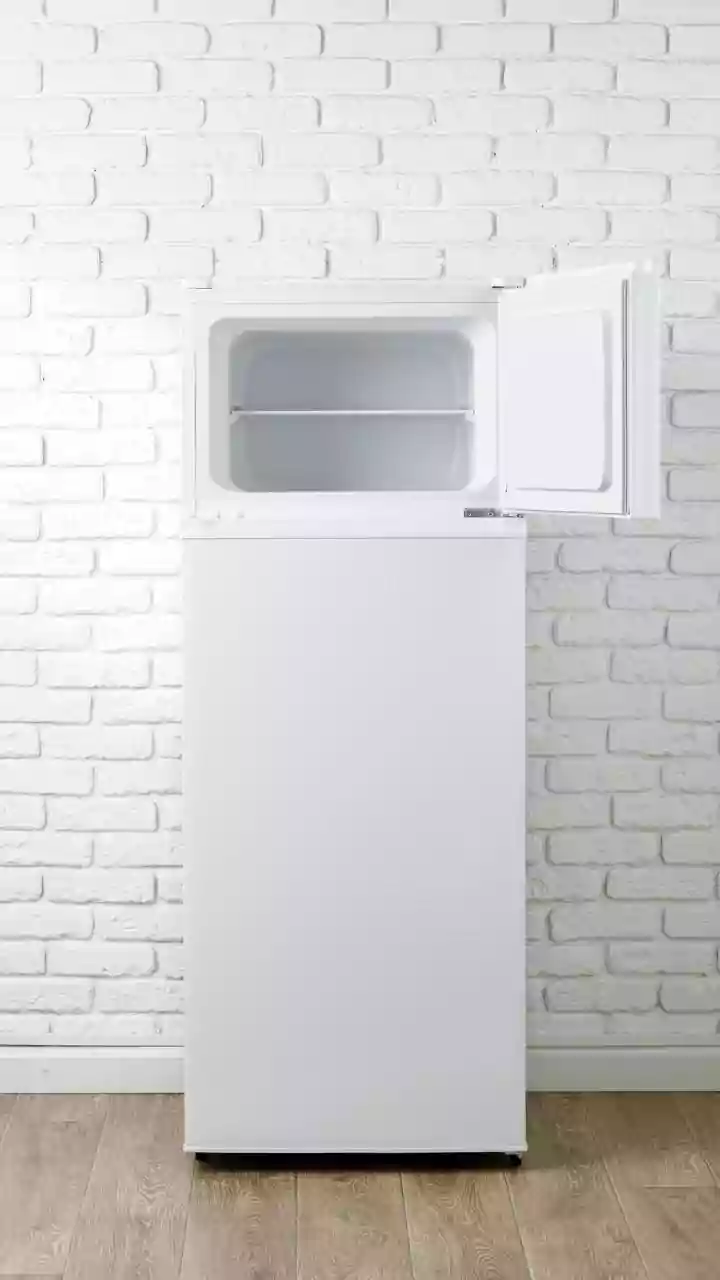
The refrigerator is a modern marvel for preserving perishable foods, but it’s not a one-size-fits-all solution. For certain items, the cold, dry environment of a fridge does more harm than good. Cold temperatures can halt ripening processes, break down
essential flavour compounds, and alter textures in undesirable ways, turning a perfectly good ingredient into a bland or mealy disappointment. The key to getting the most out of your groceries lies in understanding that different foods have different needs. By learning which items prefer the pantry over the crisper drawer, you can significantly enhance their flavour, extend their life, and reduce food waste in your home.
The Truth About Tomatoes
A ripe, flavourful tomato is a thing of beauty, but storing it in the refrigerator is the fastest way to destroy its magic. Cold temperatures are the enemy of a tomato's taste and texture. Scientifically, chilling a tomato below a certain point permanently stops the enzymes that create its signature tangy and sweet flavour profile. The cold also breaks down the cell walls within the fruit, resulting in a mealy, mushy texture. For the best flavour, tomatoes should be stored at room temperature on the countertop, away from direct sunlight. If you have very ripe tomatoes that you can't use immediately, refrigeration can slow down further ripening and prevent rot, but be aware that their flavour will be diminished. If you do refrigerate them, let them come back to room temperature before eating to revive some of their taste.
Perfecting Your Potato Storage
Potatoes are a staple in kitchens across India, but they are often stored incorrectly. The most common mistake is putting them in the fridge. Storing potatoes in cold temperatures causes their starch to convert into sugar. This results in a strangely sweet taste and can cause them to darken when cooked, especially when fried. The ideal storage condition for potatoes is a cool, dark, and well-ventilated place like a pantry or a cabinet away from warm appliances. Keeping them in the dark prevents them from turning green, which is a sign of a bitter compound called solanine developing. Don't wash them until you're ready to cook, as dampness encourages spoilage. Also, avoid storing them in a sealed plastic bag; a paper bag or a container with ventilation holes is much better for allowing them to breathe.
Keeping Bread Fresh and Soft
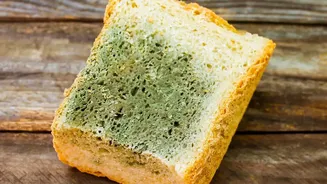
Putting bread in the refrigerator might seem like a good way to keep it from going mouldy, but it actually makes it go stale faster. The cold temperature of the fridge accelerates a process called starch retrogradation, where the starch molecules crystallize and force water out, making the bread hard, dry, and stale. The best way to store a loaf of bread for daily use is at room temperature in a bread box or a paper or cotton bag, which allows for some air circulation without trapping moisture that leads to mould. For long-term storage, the freezer is your best friend. Slicing the bread before freezing allows you to take out only what you need. Interestingly, the process of freezing and then toasting bread can increase its resistant starch content, which may have some health benefits.
Other Foods to Keep Out of the Cold
Tomatoes, potatoes, and bread are not the only items that suffer in the cold. Onions, for example, become soft and mouldy in the fridge due to the humidity. Like potatoes, they prefer a cool, dark, and dry place with good air circulation. However, don't store them right next to your potatoes, as gases they both emit can cause them to spoil faster. Garlic also does best at room temperature. Whole melons, winter squashes, cucumbers, and bell peppers also lose texture and flavour if refrigerated before being cut. By being more mindful of what goes into your fridge, you can enjoy better-tasting food and a more efficient kitchen.