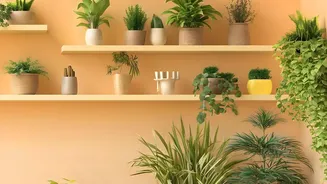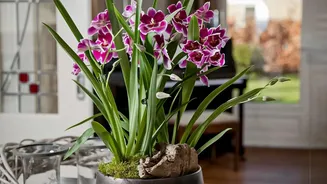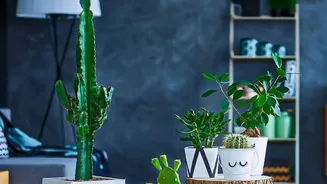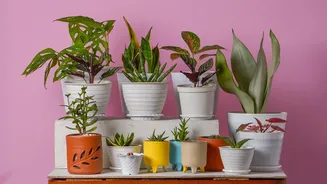




Bringing a plant home is just the first step. The planter you choose is a powerful design tool that can either elevate your space or fall flat. Getting it right involves a thoughtful balance of colour, shape, and scale.
Harmonising with Colour
The colour of your planter is your first
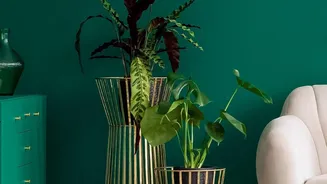
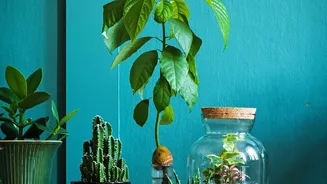
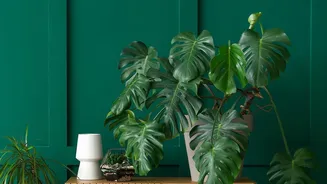
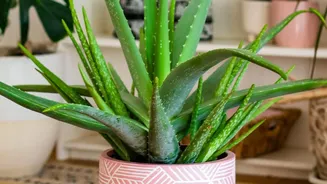
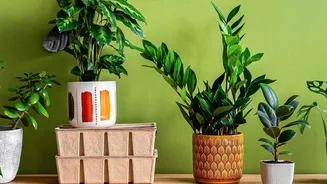
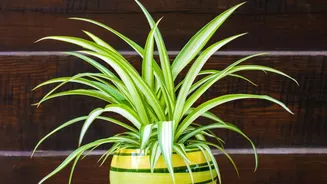
opportunity to create harmony or a dramatic statement. For a cohesive, calming look, choose pots in neutral tones like white, grey, black, or beige. These shades blend seamlessly into most decor styles and allow the plant's green foliage to be the star. White pots, in particular, can make vibrant green leaves pop, while black containers create a striking, modern contrast. If you want to add a splash of personality, select a pot colour that complements the plant itself. A deep green pot can enhance the lushness of a fern, while a brightly coloured planter can pick up on the hues in a flowering plant like a geranium. Don't be afraid to think about the room's existing palette. A pot can tie into the colour of a cushion, a piece of art, or a rug, making the entire space feel more intentional and thoughtfully designed.
The Dialogue Between Shapes
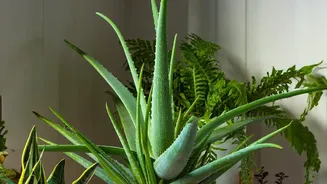
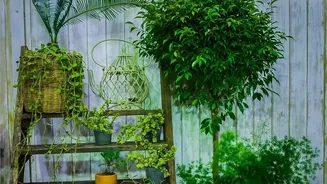
The shape of a planter should enter a visual conversation with the plant it holds. The goal is to find a form that complements the plant's natural growth habit. Tall, upright plants, such as a snake plant or a fiddle leaf fig, look fantastic in structured, cylindrical pots that echo their vertical lines. These taller forms help draw the eye upward and can make a room feel more spacious. For plants with a softer, fuller, or more rounded shape, a classic round pot can soften the space and complement its form. Trailing plants, like pothos or string of pearls, are best suited for hanging planters or pots on stands, which give their cascading vines room to spill over naturally and create a sense of movement. A wide, shallow bowl is another excellent choice for plants that spread horizontally or for creating a mixed planting arrangement.
Getting the Scale Just Right
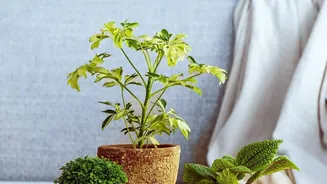
Scale is arguably the most crucial and often misunderstood element of choosing a planter. It’s not just about the plant fitting inside; it’s about visual balance. A tiny pot with a large plant will look top-heavy and unstable, while a small plant in a massive pot will appear lost. A good rule of thumb is to choose a pot that is about one-third the height of the plant. But scale extends beyond the plant-pot relationship; it must also consider the surrounding furniture and the room itself. A small pot placed on the floor in a large, open-plan living room will feel insignificant. Floor planters should have enough size and visual weight to feel anchored in the space, especially when placed in an empty corner or next to a substantial piece of furniture like a sofa. Medium-sized planters work well on side tables or kitchen counters, while small pots are best reserved for shelves, windowsills, and desks.
Beyond Looks: Material Matters
While aesthetics are important, the pot's material directly impacts your plant's health. The two most common options are terracotta and glazed ceramic. Terracotta is porous, meaning air and water can pass through its walls. This allows the soil to dry out faster, making it an excellent choice for drought-tolerant plants like succulents, cacti, and for people who have a tendency to overwater. On the other hand, glazed ceramic pots are non-porous and retain moisture for much longer. This makes them ideal for plants that prefer consistently moist soil, such as ferns and many tropical houseplants. Ceramic pots are also heavier, which provides stability for taller, top-heavy plants. Plastic is a lightweight and affordable option, but it is best used indoors as it can become brittle in direct sunlight.
The Non-Negotiable: Proper Drainage
No matter how beautiful a planter is, it's a poor choice if it lacks drainage holes. For the vast majority of houseplants, drainage is essential for survival. When a pot has no holes, excess water pools at the bottom, saturating the soil and cutting off oxygen to the roots. This creates the perfect environment for root rot, a fungal condition that is one of the most common causes of houseplant demise. If you fall in love with a decorative pot that doesn't have a hole, don't despair. You can still use it as a 'cachepot'. Simply keep your plant in its plastic nursery pot (which has drainage), place it inside the decorative container, and remember to empty any collected water from the outer pot about 30 minutes after watering.