




The Soul of Bhog
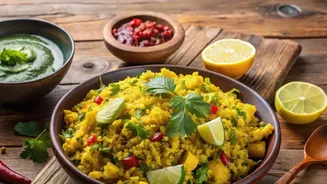
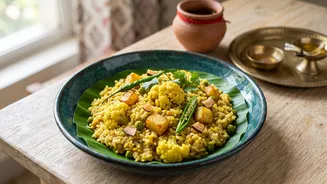
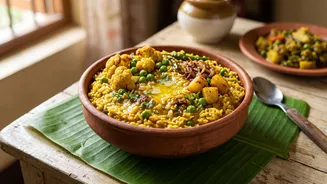
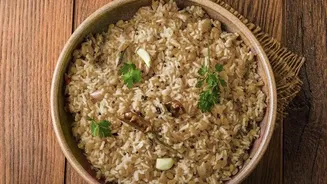
Bhoger Khichuri is not just any khichuri. The word 'bhog' means a devotional offering to a deity, which is later shared as 'prasad'. This sacred context defines its preparation. It is always 'niramish', or pure vegetarian, meaning it contains strictly
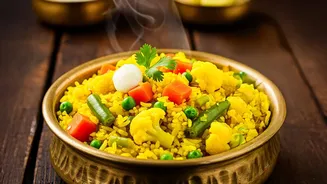
no onions or garlic. Its unique character comes from a few key elements: nutty, roasted moong dal (split yellow lentils), fragrant short-grain Gobindobhog rice, and a medley of seasonal vegetables. The combination creates a dish that is deeply comforting, wholesome, and spiritually significant, especially during festivals like Durga Puja and Saraswati Puja.
Key Ingredients for Authentic Flavour
To create this dish, you will need a specific set of ingredients. For four servings, gather the following: 1 cup of Gobindobhog rice (or any short-grain aromatic rice), 1 cup of sona moong dal, 1 medium potato, 1 small cauliflower, and a half cup of green peas. For the aromatic base and spices, you will require: 2 tablespoons of ghee plus extra for finishing, 2 tablespoons of mustard oil, 1 tablespoon of grated ginger, 2-3 green chillies, 2 bay leaves, 2 dried red chillies, 1 teaspoon of cumin seeds, a 1-inch cinnamon stick, 2-3 cloves, and 2 green cardamoms. Essential powdered spices include 1 teaspoon of turmeric powder and 1 teaspoon of cumin powder. Salt and about 1 tablespoon of sugar are needed to balance the taste. Finally, a special homemade roasted spice mix called 'bhaja masala' provides the signature finish.
Creating the Magic Bhaja Masala
The secret to the authentic aroma of many Bengali dishes is Bhaja Masala, a simple roasted spice powder. To make a small batch, dry-roast 1 tablespoon of cumin seeds, 1 tablespoon of coriander seeds, 2-3 dried red chillies, and 1 bay leaf in a hot pan over low heat. Some variations also include a few cloves and a piece of cinnamon for extra warmth. Stir the spices continuously until they become fragrant and turn a few shades darker, being careful not to burn them. Once cooled completely, grind them into a fine powder. This can be stored in an airtight container and used as a finishing spice for the khichuri and other dishes.
Step-by-Step Cooking Guide
First, dry-roast the moong dal in a heavy-bottomed pan on low-medium heat until it turns light golden and releases a nutty aroma. Set it aside. Wash the roasted dal and the rice separately and let them drain. Next, heat the mustard oil in a large, deep pot or handi. Fry the cubed potatoes and cauliflower florets (separately) with a pinch of turmeric until they are lightly golden, then set them aside. In the same oil, add the ghee. Once warm, temper with the bay leaves, dried red chillies, cumin seeds, cinnamon, cloves, and cardamoms. When the spices start to sizzle, add the grated ginger and sauté for a minute. Add the washed rice and dal to the pot, along with turmeric powder, cumin powder, and salt. Stir gently for about two minutes. Pour in about 6-7 cups of hot water, bring to a boil, and then lower the heat to a simmer. Cover and cook, stirring occasionally to prevent it from sticking. When the rice and dal are about half-cooked, add the fried vegetables, green peas, slit green chillies, and sugar. Continue to cook until everything is tender and the khichuri reaches a thick, porridge-like consistency, adding more hot water if it becomes too dry.
Finishing Touches and Serving
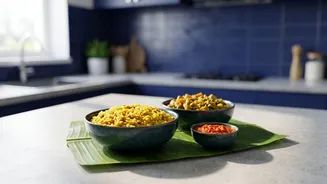
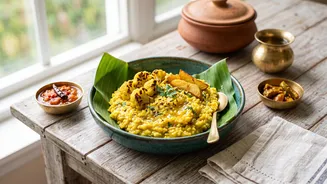
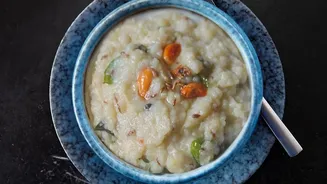
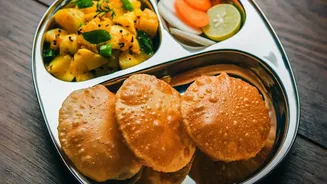
Once the khichuri is cooked to your desired consistency—traditionally it's soft and slightly runny—turn off the heat. A generous dollop of ghee stirred in at the end is non-negotiable; it adds a rich, final layer of flavour. Sprinkle about a teaspoon of your freshly made Bhaja Masala over the top and gently mix it in. Let it rest for a few minutes before serving. Bhoger Khichuri is best enjoyed hot, traditionally served with accompaniments like 'labra' (a mixed vegetable curry), 'begun bhaja' (pan-fried eggplant slices), tomato chutney, and a piece of sweet payesh or mishti doi to complete the festive meal.