


Swap Kyoto for Kanazawa
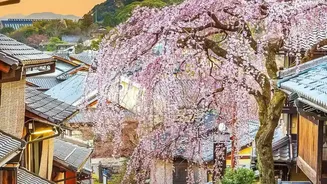
Kyoto is the heart of traditional Japan, but its iconic temples and shrines can feel more like crowded queues than spiritual retreats. For a similar atmosphere with a fraction of the foot traffic, head to Kanazawa. Often called 'Little Kyoto', the city
boasts beautifully preserved geisha districts, like Higashi Chaya, where you can wander through historic wooden teahouses. Kanazawa is also home to Kenrokuen, one of Japan's 'three most beautiful landscape gardens', which rivals any of Kyoto's green spaces. The city's samurai district, Nagamachi, offers a glimpse into the lives of Japan's warrior class, with restored residences and narrow lanes. While Kyoto can be expensive, Kanazawa is often considered more budget-friendly without sacrificing cultural richness.
Swap Tokyo's Bustle for Fukuoka's Vibe
If the relentless pace of Tokyo seems daunting, consider Fukuoka as your urban alternative. Located on the northern shore of Kyushu island, Fukuoka is a modern, vibrant city that maintains a more laid-back and manageable feel. It's famous for its incredible food scene, especially its open-air food stalls known as 'yatai', which offer a delicious and atmospheric dining experience. The city has beautiful parks like Ohori Park, modern shopping complexes such as Canal City, and historic temples. For a change of pace, the seaside area of Momochi offers beaches and contemporary architecture. Fukuoka serves as a great hub for exploring the rest of Kyushu, providing a perfect blend of city life and accessibility to nature.
Swap Hakone for the Kiso Valley
Many tourists seeking a traditional mountain escape flock to Hakone, but this can lead to crowded ropeways and trails. For a more authentic journey back in time, explore the Kiso Valley. This region in the central mountains preserves a section of the old Nakasendo Trail, a historic route that connected Kyoto and Edo (now Tokyo). You can walk in the footsteps of samurai and merchants between beautifully preserved post towns like Magome and Tsumago. The hike between these two towns is a popular and scenic route that takes around three hours, winding through forests and past waterfalls. Staying in a traditional inn, or 'ryokan', here offers an immersive experience of Japan's feudal past.
Swap Mt. Fuji Views for Yakushima's Ancient Forests
While seeing Mount Fuji is iconic, the real magic of Japan's nature can often be found in its more remote corners. For a truly profound natural experience, travel to Yakushima Island. This subtropical island south of Kyushu is a designated UNESCO World Heritage site, celebrated for its ancient cedar forests. Some trees, known as 'yakusugi', are thousands of years old. The island's moss-covered forests are so mystical they inspired the landscapes in the animated film 'Princess Mononoke'. It offers hiking trails for all levels, from gentle walks in Shiratani Unsuikyo Ravine to challenging treks to see the oldest trees. While it rains frequently, this is what gives the island its lush, otherworldly atmosphere. Getting there requires a flight or ferry from Kagoshima, but the journey is rewarded with a powerful connection to nature.