




The Meaning of a Full Order Book
In the world of high finance and manufacturing, “production visibility” is a powerful term. For Ferrari, having a full order book that entirely covers 2027 means the company has a guaranteed stream of revenue locked in for the next 18 months. This wasn't
a sudden development; CEO Benedetto Vigna’s statements have tracked the growing demand, moving from the order book extending towards the end of 2027 to now entirely covering it. This stability is the envy of the automotive world, allowing the company to plan investments and navigate market changes from a position of immense strength. It's a level of security that few, if any, other carmakers can claim.
A Deliberate Strategy of Scarcity
It would be a mistake to see this simply as runaway demand. In reality, Ferrari being sold out through 2027 is because it has decided to be. The company has long practiced a strategy of “volume over value,” deliberately capping its annual production at around 14,000 cars to maintain the brand's exclusivity and desirability. The long waiting list is not a bug; it is a core feature of the Ferrari ownership experience. By making the door to ownership deliberately narrow, the queue to get in only grows longer. This controlled scarcity ensures that residual values remain high and that the allure of the Prancing Horse never fades. It’s a supply decision dressed up as a demand event, a masterclass in brand management.
The Models Fueling the Demand
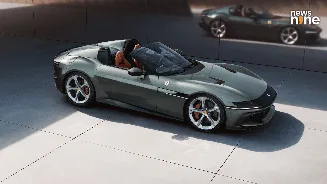
This incredible demand isn't reliant on just one superstar model. Instead, it is spread across what Vigna calls “the most complete lineup in Ferrari history.” The launch of the Purosangue, Ferrari's first-ever four-door vehicle, was met with such overwhelming interest that order books had to be closed shortly after opening to prevent a multi-year waiting list from spiraling out of control. The company has capped Purosangue production at 20% of its total output to protect its exclusivity. Beyond the Purosangue, new models like the 12Cilindri and even Ferrari's first all-electric car, the Luce, have seen their production runs fully allocated almost immediately. Even limited-run special editions with manual gearboxes, like the 12Cilindri Manuale, sold out instantly.
More Profit Through Personalization
While production volume is deliberately capped, Ferrari’s profits continue to soar. The company recently raised its financial guidance for 2026 after a record-breaking second quarter. A key driver of this profitability isn't selling more cars, but selling more car to each customer. The real money is made in personalizations—the bespoke options, unique colours, and custom interior trims that allow buyers to make their vehicle one-of-a-kind. This trend is so strong that it was cited as the main reason for the company's upgraded financial forecast. This sustained desire for customization is the true, unfiltered signal of the brand's health; while Ferrari controls the length of the waiting list, it's the customer's willingness to spend more on each car that confirms the brand's immense power.