




The Belief: A Miracle Platelet Booster
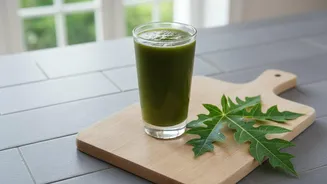
The primary reason papaya leaf extract has gained immense popularity is its reputation for rapidly increasing platelet counts, which can drop to dangerously low levels during a dengue infection. Thrombocytopenia, or low platelet count, is a hallmark of
dengue and can lead to bleeding complications. For generations, families have passed down the practice of administering fresh papaya leaf juice, believing it can single-handedly reverse this decline and prevent the disease from becoming severe. This belief is so widespread that during peak dengue season, the demand for papaya leaves often skyrockets, with many considering it an essential part of at-home care.
The Science: What Studies Actually Show
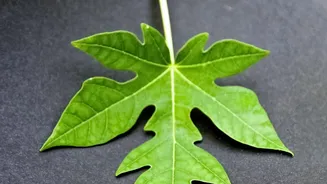
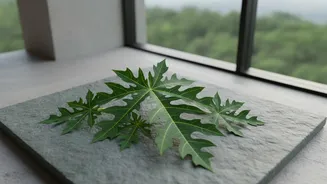
The enthusiasm for papaya leaves isn't entirely without a scientific basis. Several studies have investigated the effects of Carica papaya leaf extract (CPLE) on thrombocytopenia. Research suggests that compounds in the leaves, like flavonoids and alkaloids, may help boost platelet production. Some studies indicate that the extract can increase the activity of specific genes, like ALOX12 and PTAFR, which are involved in stimulating the bone marrow to produce more megakaryocytes, the cells responsible for making platelets. A number of clinical studies, many conducted in Asia, have shown that patients given papaya leaf extract alongside standard dengue treatment had a faster increase in their platelet counts compared to those who only received standard care. However, it is crucial to note that many of these studies are small, and some have methodological flaws. Scientists agree that more robust, large-scale clinical trials are needed to confirm these benefits conclusively.
The Reality: Supportive, Not a Substitute
Here lies the most critical distinction: even if papaya leaf extract helps with platelet counts, it does not cure dengue. Dengue is a complex viral illness. The primary danger often isn't just the low platelet count, but a complication called plasma leakage, where fluid leaks from blood vessels. This can lead to a drop in blood pressure, shock (Dengue Shock Syndrome), and organ failure. This is a medical emergency that requires careful monitoring and, most importantly, intravenous (IV) fluid management in a hospital setting to prevent fatal outcomes. Papaya leaf juice does nothing to address this life-threatening aspect of severe dengue. National guidelines for dengue management focus on symptomatic treatment, hydration, and immediate hospitalization for patients showing warning signs like severe abdominal pain, persistent vomiting, or any bleeding.
The Dangers of Relying Only on Home Remedies
Relying exclusively on papaya leaves or any other home remedy can be incredibly dangerous because it can create a false sense of security, causing patients to delay seeking professional medical help. The transition from mild to severe dengue can be rapid, often occurring just as the fever starts to subside—a period many wrongly assume marks recovery. Doctors warn that waiting for bleeding to start before going to the hospital can be too late. Furthermore, consuming large quantities of bitter papaya leaf juice can cause stomach irritation and vomiting, which can worsen dehydration—the very thing that needs to be managed in dengue. It can also mask the warning signs of severe dengue, making it harder for doctors to make an accurate assessment when the patient finally arrives at the hospital.