







From Wellness Elixir to Cafe Staple
Matcha’s initial ascent in India was fuelled by its reputation as a superfood. Packed with antioxidants and associated with benefits like boosted metabolism and improved focus, it appealed to a growing demographic of health-conscious urbanites. The drink’s
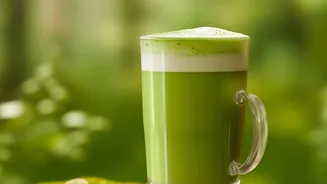
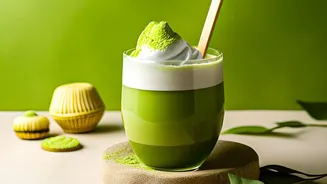
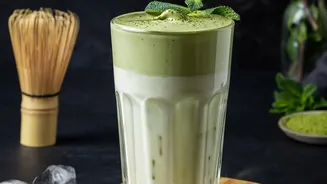
vibrant green colour and Japanese ceremonial roots also gave it an aesthetic, premium appeal, positioning it as a sophisticated alternative to both coffee and traditional green tea. Cafes in cities like Delhi, Mumbai, and Bengaluru quickly added matcha lattes to their menus, where it was embraced by millennials and Gen Z consumers looking for something new.
The Great Indian Flavour Remix
While traditional matcha holds its own, the latest trend shows Indians are not just adopting it but adapting it to local tastes. Recent search data highlights a massive surge in interest for fruit-forward versions. Searches for “strawberry matcha” have reportedly jumped by 400%, with “mango matcha” climbing 200% over the last year. This shouldn't come as a surprise. The marriage of matcha’s earthy, slightly bitter notes with the sweet, familiar tastes of mango and strawberry makes the drink more accessible and appealing to a wider Indian palate. It’s a creative fusion that softens matcha's intense profile for newcomers.
A Feast for the Eyes and the Feed
A huge part of the fruit-flavoured matcha trend is its visual appeal. The layered look of a bright pink strawberry purée at the bottom, followed by milk and topped with vibrant green matcha, is undeniably striking. In an age of social media, a drink that looks as good as it tastes is destined for popularity. Cafes have noted that these colourful, Instagram-ready creations are particularly popular with younger customers, who appreciate both the aesthetics and the balanced flavour profile. This visual allure has helped propel mango and strawberry matcha from a simple beverage to a cultural statement.
Beyond the Cafe: A Home Ritual
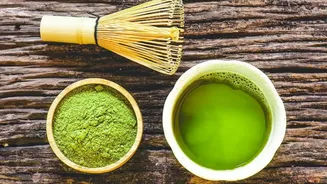
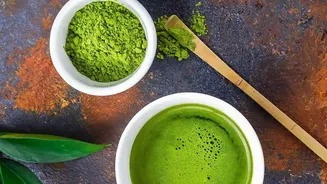
The curiosity around matcha isn't just playing out in cafes. Google search data reveals a 1,300% increase in searches for “how to make matcha” in India over the past year. This indicates a significant shift from merely trying the drink to wanting to understand and recreate it at home. The rising interest in “matcha kits,” whisks, and bowls shows that many are embracing the preparation process as a calming ritual. As people get more comfortable with the basics, they are experimenting with their own fusion drinks, blending matcha with everything from coconut milk to a shot of espresso for a “dirty matcha.”
A Sign of an Evolving Palate
The rise of mango and strawberry matcha is more than just a fleeting food trend; it reflects the dynamic nature of India’s culinary landscape. It showcases a growing confidence among Indian consumers to experiment with global ingredients while tailoring them to their own unique tastes. This trend doesn't replace traditional tea culture but rather adds a new, exciting layer to it, blending Japanese heritage with beloved Indian flavours. It’s a testament to a palate that is both globally aware and unapologetically local.