



Tomatoes: The Counter Is Your Friend
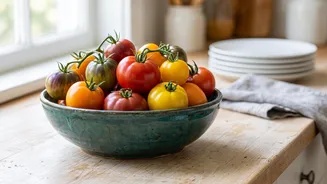
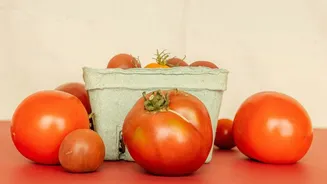
That beautiful, juicy tomato you bought can turn into a mealy, tasteless disappointment in the refrigerator. The reason is scientific: cold temperatures halt the production of the aroma compounds that are essential for a tomato's signature flavour. Research
shows that chilling below 12°C actually alters the fruit's genes, an effect that is sadly irreversible. Once a tomato loses its flavour in the cold, it won't get it back, even if you let it warm up to room temperature. For the best taste and texture, store whole tomatoes on your kitchen counter, out of direct sunlight. The only exception is if a tomato is perfectly ripe and you need to extend its life by a day or two; at that point, refrigeration is a compromise to prevent spoilage, but be prepared for a loss in quality.
Potatoes and Onions: Cool, Dark, and Separate
Potatoes and onions are staples in Indian cooking, but they are often stored incorrectly. Keeping potatoes in the fridge causes their starch to convert into sugar, resulting in a strangely sweet taste and a gritty, unpleasant texture when cooked. Instead, store them in a cool, dark, and well-ventilated place, like a pantry. A paper bag is better than a plastic one, which traps moisture and encourages decay. Onions need good air circulation to stay fresh, but they have a critical enemy: potatoes. When stored together, gases released by the onions can cause potatoes to sprout prematurely. So, give them their own separate, dry storage spaces.
Bread: The Fridge Speeds Up Staling
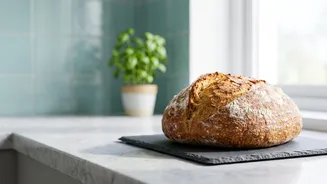
Putting bread in the refrigerator might seem like a way to prevent mould, but it comes at a significant cost. The cold, dry air of the fridge accelerates the process of starch recrystallisation, which is what makes bread go stale. In essence, refrigerating your loaf makes it hard and dry much faster than leaving it at room temperature. For most breads, the best place is a bread box or a cool cupboard, where it will stay fresh for a few days. If you have more bread than you can eat before it spoils, the freezer is your best option. Freezing almost completely pauses the staling process, preserving the bread's texture and flavour. You can then toast slices directly from frozen.
Bananas: It’s All About Ripeness
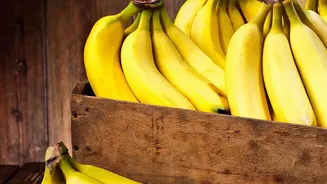
Bananas are a classic case where storage depends entirely on their stage of ripeness. Green, unripe bananas should always be kept at room temperature to allow them to sweeten and develop flavour. They release ethylene gas, which speeds up ripening, so keep them away from other fruits unless you want those to ripen faster too. Once a banana reaches your desired level of ripeness, you can move it to the fridge. The cold will slow the ripening process inside, keeping the flesh ready to eat for longer. However, the peel will turn dark brown or black in the refrigerator—don't be alarmed. This is just a cosmetic change, and the fruit inside will still be good.
Honey and Coffee: Preserve Their Purity
Two pantry items that should never see the inside of a fridge are honey and coffee. Honey is a naturally preserved food. The cold temperature of the refrigerator accelerates the crystallisation of its natural sugars, turning it into a thick, grainy sludge. It's still safe to eat, but the texture is ruined. Keep honey in a tightly sealed container at room temperature. Coffee, whether ground or whole bean, is highly absorbent. When stored in the fridge, it can soak up moisture and odours from other foods, which will permanently taint its flavour. To protect its delicate aromatic oils, store coffee in an airtight container in a cool, dark pantry.
Considering Climate and Use
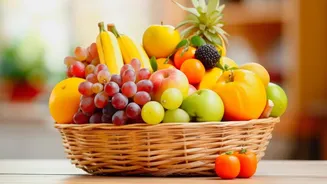
In a hot and humid climate like India's, mould can be a real concern. While room temperature is ideal for flavour, if your kitchen is particularly warm, you might find some items spoil faster. This is where intended use becomes key. If you plan to eat a fruit or vegetable within a day or two, the counter is best. If you need it to last longer, refrigeration can be a necessary evil to inhibit mould and spoilage, even if it means a slight compromise on texture. The fundamental principle is to buy fresh and use it promptly. Understanding whether a fruit is climacteric (continues to ripen after picking, like bananas and mangoes) or non-climacteric (stops ripening once picked, like grapes and citrus) also helps you decide whether to ripen it on the counter first or refrigerate immediately.