



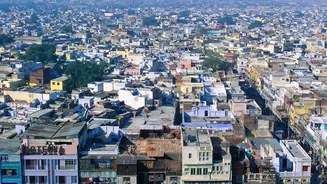
The Monsoon’s Cleansing Effect
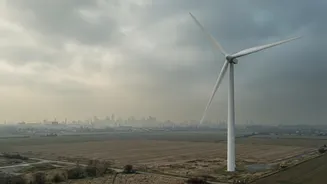
Throughout the monsoon months, from roughly July to September, Delhi-NCR enjoys its best air quality of the year. This isn’t a coincidence. The season acts as a natural cleaning service for the atmosphere. Strong winds characteristic of the monsoon help
disperse pollutants, pushing them away from the region. Most importantly, frequent and heavy rainfall literally washes the air clean. Rain droplets capture and bring down particulate matter (like PM2.5 and PM10) and other pollutants, settling the dust and leaving the air feeling fresh. This annual reset provides a few months of respite, with air quality often falling into the 'Good' or 'Satisfactory' categories.
The Great Wind Reversal
The entire dynamic changes once the monsoon withdraws, typically around the end of September. The moist easterly winds of the monsoon retreat and are replaced by calmer, drier north-westerly winds. This shift is critical. Firstly, the wind speeds drop significantly. Without strong winds to blow them away, pollutants start to accumulate. Secondly, the change in direction is crucial. These north-westerly winds blow across the states of Punjab and Haryana, picking up smoke and particulate matter just as the post-harvest stubble burning season begins.
Putting a Lid on the City
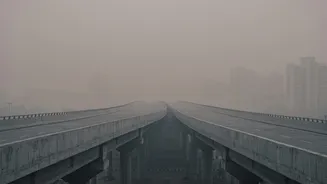
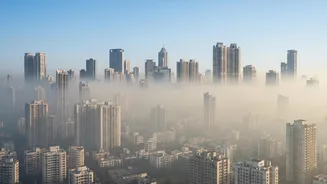
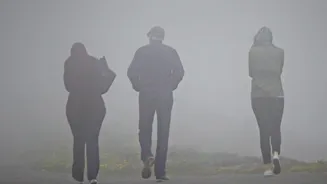
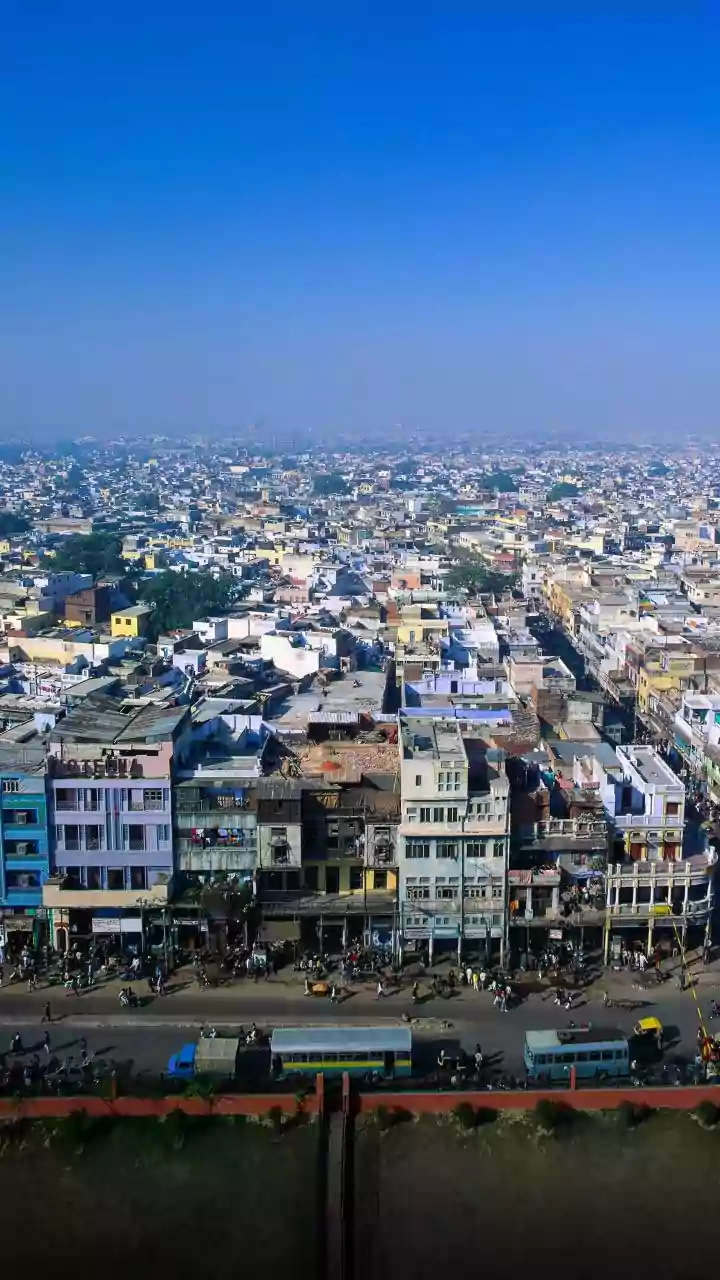
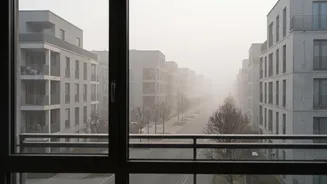
A key meteorological phenomenon that traps pollution is 'temperature inversion'. Normally, the air closer to the ground is warmer and rises, allowing pollutants to disperse vertically into the upper atmosphere. However, as winter approaches, nights get colder, faster. This cools the ground and the air just above it. Meanwhile, a layer of warmer, less dense air remains higher up. This warmer air acts like a lid, trapping the cooler, denser, and now pollutant-filled air below it. This effectively shrinks the volume of atmosphere in which pollutants can mix, causing their concentration at ground level to skyrocket. This is why you often see a thick, brown haze hanging low over the city on winter mornings.
The Return of Pollution Sources
With the atmospheric conditions primed to trap pollutants, the focus shifts to the sources themselves. The most infamous seasonal contributor is stubble burning. Farmers in neighbouring states burn rice crop residue to quickly clear their fields for the next sowing season. This practice, concentrated in October and November, releases enormous plumes of smoke containing PM2.5 and other harmful gases, which are then carried directly towards Delhi-NCR by the north-westerly winds. Studies suggest stubble burning can contribute significantly, sometimes up to 25% or more, to Delhi's particulate pollution during this peak period.
The Local Polluters
While farm fires are a major external factor, local pollution sources are a constant problem that is simply exacerbated by the winter conditions. Emissions from the millions of vehicles on NCR's roads, dust from widespread construction and demolition activities, and pollution from industries all contribute to the toxic mix. As temperatures drop, the burning of biomass (wood, waste) by people to stay warm also adds to the load. When events like Diwali occur, the smoke from firecrackers can cause a dramatic, short-term spike in an already overloaded atmosphere, pushing the air quality from 'Very Poor' to 'Severe' overnight.
What It Means for Residents
The result of this perfect storm of meteorological and man-made factors is the annual pollution crisis. Air Quality Index (AQI) levels frequently enter the 'Severe' and 'Severe Plus' categories, posing serious health risks. This triggers the implementation of the Graded Response Action Plan (GRAP), a set of emergency measures designed to curb pollution. Depending on the severity, these can include halting construction work, restricting the use of certain vehicles, and even closing schools. For residents, it means dealing with respiratory problems, eye irritation, and a host of other health issues, forcing many to rely on air purifiers and masks to get through the winter months.