
What is the New Order?
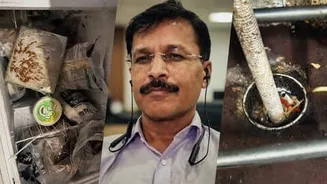
The Maharashtra Food and Drug Administration (FDA) has imposed a one-year ban on the manufacture, sale, storage, and distribution of 'analogue paneer' across the state. The order, issued by Food Safety Commissioner Tukaram Mundhe, took effect on July
30, 2026, and makes it illegal for anyone, including restaurants and hotels, to use or sell these non-dairy versions. Violators face stiff penalties, including up to six months in jail and a fine of ₹1 lakh. In severe cases where consumption leads to death, the punishment can extend to life imprisonment and a fine of ₹10 lakh. Maharashtra is now the second state to take this step, following a similar ban in Chhattisgarh.
The Heart of the Matter: Real vs. Analogue
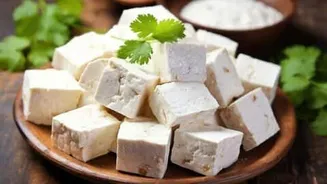
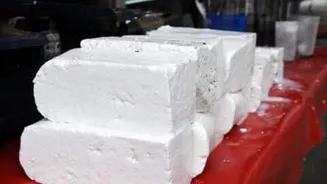
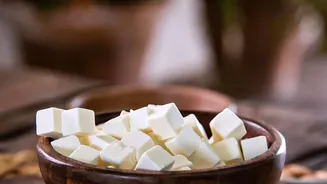
The core of the issue lies in the difference between traditional paneer and its imitation, known as analogue paneer. According to the Food Safety and Standards Authority of India (FSSAI), paneer must be made from milk. It is a fresh cheese obtained by curdling cow or buffalo milk with an acidic agent like lemon juice or citric acid. Its nutritional value, particularly its high protein content, makes it a dietary staple for many vegetarians. Analogue paneer, on the other hand, is a substitute where milk fat is partially or wholly replaced by cheaper ingredients like vegetable oils, palm oil, starch, and other non-dairy additives. While these products are designed to mimic the look and texture of real paneer, they often lack the same nutritional profile.
Why Was the Ban Imposed Now?
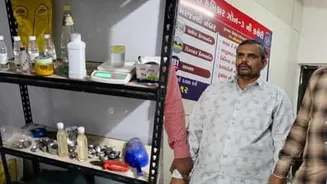
The ban is the culmination of a year-long statewide crackdown on food adulteration. During extensive inspections, the Maharashtra FDA found that a significant portion of paneer sold in the market was fake. One analysis revealed that over 35% of samples tested did not conform to prescribed standards. Authorities discovered that despite rules requiring clear labelling, analogue paneer was often being fraudulently sold as the real thing, misleading consumers who were paying for a protein-rich dairy product but receiving a nutritionally inferior substitute. The FDA concluded that existing labelling rules and routine enforcement were not enough to protect the public, prompting the more drastic measure of a complete ban.
A Clash of Regulations
Interestingly, Maharashtra's state-level ban takes a harder line than the national regulator. The FSSAI permits the sale of analogue paneer, provided it is clearly and accurately labelled so consumers are not deceived. An FSSAI advisory from April 2026 explicitly states that selling a cheese analogue under the name 'paneer' is a violation of the law. However, the challenge has been enforcement. Widespread mislabelling and the use of fake paneer in restaurants—where customers have no access to packaging—convinced state authorities that simply enforcing labelling laws was insufficient. The state's position is that since there are no prescribed quality standards for analogue paneer itself, it's difficult to regulate and its sale encourages adulteration.
What This Means For Your Dinner Table
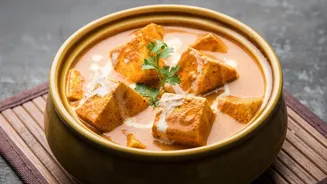
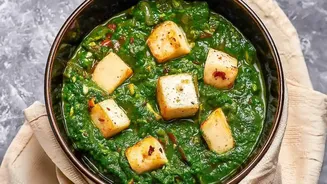
For consumers in Maharashtra, the immediate effect should be greater confidence that the paneer they buy is genuine dairy paneer. The ban aims to remove deceptive products from the market entirely, from local dairies to restaurant curries. However, it also highlights the need for continued consumer awareness. You can perform a simple test at home: boil a piece of paneer in water, let it cool, and add a drop of iodine solution. If it turns blue or black, it indicates the presence of starch, a common adulterant. Real paneer will crumble, while paneer made with additives may have a more rubbery texture. This order puts the spotlight on food authenticity, urging consumers everywhere to be more vigilant about what's on their plate.