





The Post-Work Fitness Dilemma
It's a familiar story for many young professionals. After eight to ten hours of navigating deadlines, meetings, and screen time, the motivation to head to a crowded gym can be incredibly low. Add a long commute, and the idea of a workout often gets pushed
to a 'tomorrow' that never comes. The result is a cycle of skipped workouts and the lingering feeling that you're not taking care of your physical well-being. This isn't about laziness; it's a genuine challenge of modern work life. Traditional fitness models don't always fit into a schedule packed with professional ambitions and personal commitments, leading to a search for something more sustainable and efficient.
Enter the Plank: Maximum Impact, Minimum Time
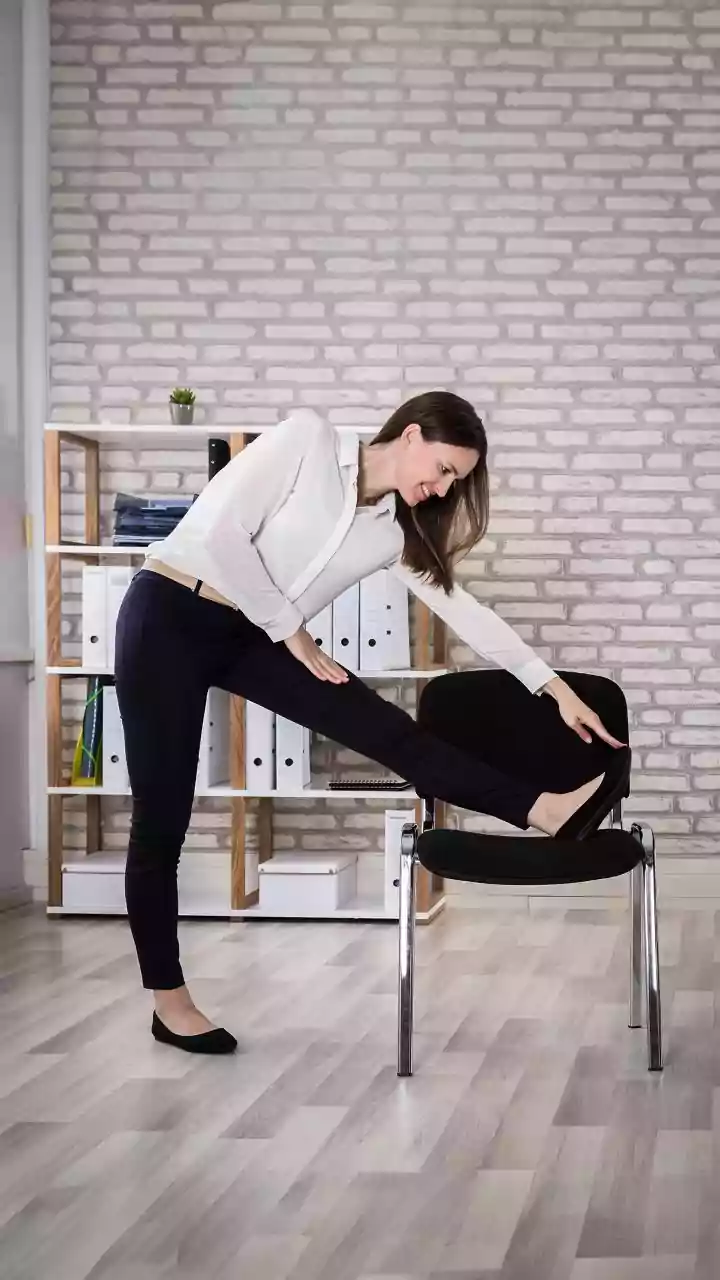
The plank has emerged as a hero for the time-poor and energy-drained. It's a single, powerful exercise that requires no equipment and minimal space. Unlike exercises that isolate one muscle group, the plank is a full-body workout. It engages your entire core—including deep abdominal muscles often missed by crunches—as well as your arms, shoulders, back, glutes, and legs. This makes it an incredibly efficient way to build strength. For desk workers, the benefits are particularly significant. Planking helps strengthen the muscles needed for good posture, counteracting the hunching that comes from hours spent over a keyboard. A strong core provides stability, helping to reduce lower back pain, a common complaint for those with sedentary jobs.
More Than a Physical Fix
The appeal of a post-work plank routine goes beyond muscle toning. The intense focus required to hold a plank properly can serve as a form of active meditation. It pulls your attention away from lingering work stress and into your own body, demanding a mind-muscle connection. This short burst of effort can help stretch and relax muscles in the neck and shoulders that grow tense during the day. Furthermore, the psychological win of completing a challenging physical task, even a short one, can provide a significant mood boost and a sense of accomplishment, effectively drawing a line between the workday and personal time.
Your 5-Minute Post-Work Plank Routine
Consistency is more important than duration. A simple five-minute routine, performed a few times a week, can deliver real benefits. Try this circuit, focusing on form over holding time. Hold each position for 30-45 seconds, with 15-20 seconds of rest in between. 1. Standard Plank: Start on your forearms or hands, keeping your body in a straight line from head to heels. Engage your core and glutes to prevent your hips from sagging. 2. Side Plank (Right): Balance on your right forearm, stacking your feet. Lift your hips high to work your obliques. For an added stretch, extend your top arm towards the ceiling. 3. Up-Down Plank: From a standard forearm plank, push up one arm at a time into a high plank (on your hands), then lower back down. This adds a cardiovascular and upper-body challenge. 4. Side Plank (Left): Repeat the side plank on your left side, ensuring your hips remain lifted and stable. 5. Plank with Leg Lifts: Return to a standard plank. Slowly lift one leg a few inches off the ground, hold for a moment, and lower it back down. Alternate legs to challenge your stability.
Making the Habit Stick
The key to making any new routine work is to remove barriers. Since this plank routine requires no special gear, you can do it anywhere—in your living room, bedroom, or even a quiet corner of the office before you head home. Don't worry if you can't hold a plank for a full minute at first. Start with shorter holds of 15-20 seconds and build up gradually. The goal is to establish a consistent habit. Listening to your body is crucial; proper form is far more important than holding a shaky plank for longer. A few minutes of focused effort is a small investment that pays huge dividends in strength, posture, and mental clarity.