




Introduce Some Acidity
One of the most effective ways to cut through monotonous sweetness is with acid. A touch of brightness can act as a spotlight, highlighting the individual character of each ingredient. If your medley of sweet fruits tastes flat, a squeeze of lemon or
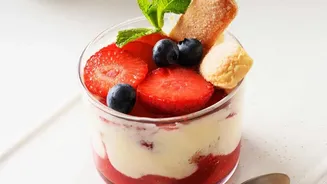
lime juice can awaken their distinct profiles. The sourness provides a contrast that stops the flavours from becoming muddy. In layered desserts, like a trifle or parfait, incorporating a layer of yogurt or a tart fruit compote can achieve the same effect. Think of acid as the element that brings a dish into focus; without it, even the most delicious ingredients can taste dull or heavy.
Harness the Power of Salt
It might seem counterintuitive, but salt is a secret weapon in the world of sweets. A small pinch doesn't make a dessert taste salty; instead, it enhances and amplifies sweetness, making it more complex and less one-dimensional. Salt works by suppressing bitter notes and making your brain perceive the sweetness more intensely. This is why salted caramel is so popular—the salt creates a contrast that prevents the caramel from being cloyingly sweet. When making a fruit-based dessert, a kheer, or even a simple sweet sauce, try adding a tiny pinch of salt. You will be surprised at how it makes the primary flavours pop with more vibrancy.
Create Textural Contrast
Our perception of flavour is deeply connected to texture. When multiple soft, sweet ingredients are combined, they can easily blend together on the palate. By introducing different textures, you help the brain separate and identify each component. In a layered dessert, alternate creamy pudding or custard with something crunchy, like toasted nuts, crumbled biscuits, or a granola layer. For a fruit-based dish, add the crunch of pomegranate seeds or the chewiness of dried apricots. This variety does more than just make the dish more interesting to eat; it creates distinct sensory experiences that prevent flavours from merging into one.
Play with Bitterness and Spice
Another way to create balance is by introducing a completely different flavour profile, like bitterness or a hint of spice. Bitterness, though often avoided, is crucial for cutting through richness and sweetness. A sprinkle of coffee powder in a chocolate dessert or the use of dark chocolate instead of milk chocolate can provide a sophisticated counterpoint to sugar. Similarly, a subtle hint of spice like cinnamon, cardamom, or even a tiny pinch of chilli powder can add warmth and complexity, giving the sweetness a backdrop to stand against. This technique is about creating harmony through contrast, where one flavour element elevates another.
Layer Flavours Strategically
The way you combine ingredients is as important as the ingredients themselves. Instead of mixing all your sweet components together at once, consider layering them. For example, in a trifle, you have distinct layers of cake, fruit, and cream, allowing each to be tasted separately before they combine in your mouth. This method is easier and often more effective than trying to mix multiple extracts or flavours into a single component. Also, think about the timing. Adding delicate flavours like fresh herbs or certain fruit essences towards the end of preparation can help them retain their unique aroma and taste, preventing them from getting lost in the cooking process.