








The Traditional Mango Calendar
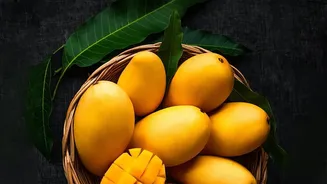
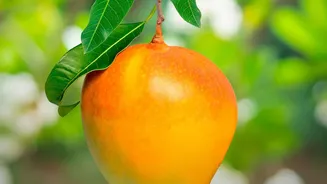
The Indian mango season is a hotly anticipated event, both domestically and internationally. The export calendar traditionally kicks off in late March and April with the celebrated Alphonso mango from Maharashtra. This is followed by the peak export season from April to
June, featuring varieties like Kesar from Gujarat and Banganapalli from Andhra Pradesh. By late July and August, the focus shifts to North Indian varieties such as Chausa and Langra, which have a strong following in the Middle East and the UK. However, this has always meant a definitive end to the season, leaving international markets and mango lovers waiting for the next year.
A New Wave of Late-Season Stars
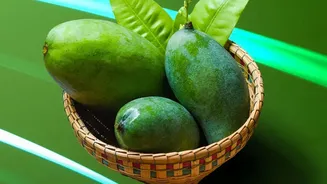
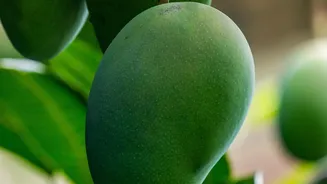
The narrative is changing thanks to the promotion of late-season varieties. Recently, a significant push has been made to bring Karnataka’s Neelam and Totapuri mangoes into the international spotlight. These varieties are harvested from late June through the end of July, a period when the traditional peak season for other famous varieties has wound down. The Neelam is appreciated for its sweet, juicy pulp and rich aroma, making it ideal for desserts and drinks, while the Totapuri, known for its distinct shape and tangy-sweet taste, is versatile for both fresh eating and processing. Their emergence allows India to stretch its global mango supply timeline significantly.
Unlocking New Markets and Opportunities
This extension of the season is more than just a few extra weeks of mango availability; it's a strategic move to strengthen India's footing in the global fruit trade. The Agricultural and Processed Food Products Export Development Authority (APEDA) has been instrumental in this push. A recent milestone was the first-ever air shipment of Neelam and Totapuri mangoes from Karnataka to the Maldives, an initiative aimed at promoting these late-season varieties in new overseas markets. By catering to international demand beyond the peak harvest period, India can better compete with other mango-producing nations and solidify its reputation as a year-round supplier of high-quality fruit.
A Financial Boon for Farmers
This development is having a profound impact on the ground. By creating new export linkages, farmers are seeing a significant increase in their earnings. The initiative to export Karnataka's late-season mangoes, for instance, delivered over 50 percent higher returns to farmers compared to selling through conventional domestic channels. This was achieved by sourcing the fruit directly from Farmer Producer Companies (FPCs), which connect farmers directly to international markets. This model of organised aggregation and quality-focused production not only boosts income but also empowers rural communities and encourages more entrepreneurs, including women, to participate in the agricultural export sector.
The Future is Fruitful and Extended
The successful promotion of varieties like Neelam and Totapuri is just the beginning. It serves as a powerful example of how strategic agricultural planning can extend seasonal boundaries and create new economic value. This success is expected to encourage greater participation from Farmer Producer Organisations (FPOs), exporters, and agri-entrepreneurs in tapping global markets. As India continues to explore and promote its vast portfolio of over a thousand mango varieties, the potential for growth is immense. By developing and marketing more late-season and region-specific fruits, India is not just writing a second chapter for its mango exports, but ensuring a more sustainable and prosperous future for its farmers.