

The Great Millet Comeback
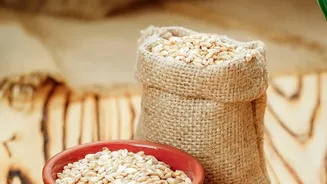
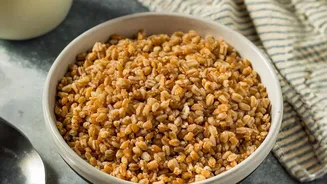
Millets are staging a quiet revolution in Indian kitchens. Once staples, grains like jowar, bajra, and ragi were largely sidelined by the Green Revolution's focus on wheat and rice. They became associated with rustic, and sometimes bland, food. However,
a renewed focus on health, sustainability, and reconnecting with traditional foodways is bringing them back. The United Nations declaring 2023 the International Year of Millets further amplified this trend, positioning these resilient grains as a solution to food security and nutritional challenges. This has encouraged home cooks and chefs alike to rediscover their versatility, moving them beyond their conventional uses.
A Nutritional Powerhouse in Every Bite
Ragi, also known as finger millet, stands out for its incredible nutritional profile. It is a fantastic plant-based source of calcium, boasting significantly more than other cereals, which is crucial for bone health. It's also rich in iron, making it beneficial in preventing anaemia. Packed with dietary fibre, ragi aids digestion, promotes a feeling of fullness to help with weight management, and has a low glycemic index, which helps in regulating blood sugar levels. Furthermore, it is naturally gluten-free, making it an excellent choice for those with gluten sensitivities or celiac disease. The grain also contains essential amino acids that support everything from skin and hair health to muscle repair.
From Dense Roti to Fluffy Pancakes
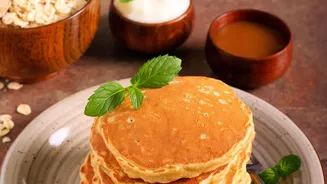
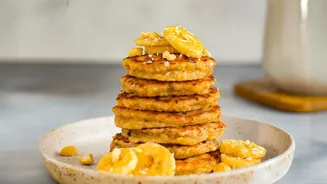
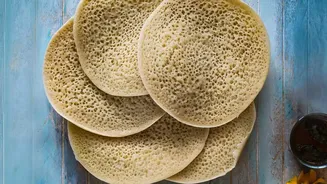
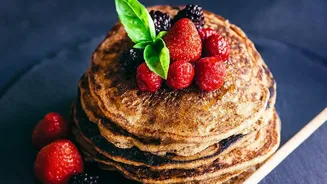
Traditionally, ragi has been consumed in forms like dense ragi mudde (balls), thick porridge (kanji), and flatbreads (roti or bhakri). While deeply nourishing, these preparations can sometimes have a heavy texture or an acquired taste that doesn't appeal to everyone, especially children. The pancake, however, offers a familiar, light, and universally loved format. It transforms ragi's earthy flavour into a delightful breakfast treat that is far more approachable. This simple switch makes it easier to incorporate the grain's immense health benefits into the daily diets of families, turning a traditionally functional food into a weekend indulgence that is secretly healthy.
Tips for the Perfect Ragi Pancake
Making ragi pancakes is simple, but a few tips can elevate them from good to great. Because ragi flour is gluten-free, batters can sometimes be dense. To achieve a fluffier texture, many recipes recommend mixing ragi flour with a binder like whole wheat flour, rice flour, or even leftover dosa batter. For a naturally sweet and moist pancake, try adding mashed ripe banana or a bit of date paste to the batter. This also reduces the need for refined sugar. Don't over-mix the batter; a few lumps are perfectly fine and help keep the pancakes tender. Let the batter rest for 10-15 minutes before cooking. When it comes to flavour, ragi pairs wonderfully with cardamom, cinnamon, and jaggery. Serve them warm with a drizzle of honey, fresh fruit, or a dollop of ghee for a satisfying meal.