




Carrots: The Beta-Carotene Superstar
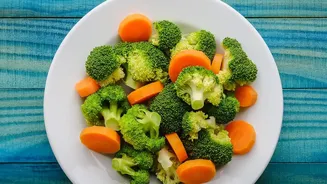
When we think of carrots, we think of bright orange colour and good vision, and for good reason. Carrots are packed with beta-carotene, a compound that the body converts into Vitamin A. This essential nutrient is crucial for maintaining healthy eyesight,
particularly in low light, and may help protect against age-related macular degeneration. Beyond vision, Vitamin A supports a robust immune system, helping your body fend off infections. Carrots are also a good source of fibre, which aids digestion and helps maintain stable blood sugar levels. While they contain other vitamins like K1 and potassium, their standout feature is undoubtedly their high concentration of beta-carotene, an antioxidant that helps protect the body's cells from damage.
Spinach: The Mineral and Vitamin K Powerhouse
Spinach, or 'palak', is a nutritional giant in the world of leafy greens. Its deep green leaves are loaded with an impressive array of vitamins and minerals. It is an exceptional source of Vitamin K1, a single serving often providing more than the entire daily requirement. This vitamin is vital for proper blood clotting and plays a key role in building and maintaining strong bones. Spinach also boasts significant amounts of iron, which is essential for transporting oxygen in the blood, and calcium for bone health. Furthermore, it is rich in folate (a B vitamin crucial for cell growth), Vitamin C, and powerful plant compounds like lutein and zeaxanthin. These two antioxidants are particularly beneficial for eye health, acting like internal sunglasses to protect the eyes from damaging light.
Better Together: The Synergy of Two
Eating either carrots or spinach is good for you, but consuming both creates a more comprehensive nutritional safety net. They don't just offer different benefits; they complement each other. For instance, while carrots are the undisputed champion of beta-carotene, spinach is the leader for lutein and zeaxanthin. Together, they provide a wider spectrum of carotenoids that support eye health in different ways. Similarly, spinach is incredibly rich in iron, but this plant-based iron (non-heme) can be tricky for the body to absorb. The Vitamin C found in both vegetables, but especially in raw spinach, can enhance the absorption of this iron, making it more available to your body. By eating both, you're not just getting two separate lists of nutrients; you're creating combinations that help your body make the most of them.
Maximising Nutrient Absorption
How you prepare and eat these vegetables can make a big difference. The Vitamin A from carrots is fat-soluble, meaning your body absorbs it better when eaten with a source of fat. So, enjoying carrots in a sabzi cooked with a little oil, or having a raw carrot with a handful of nuts, helps you get more of its vision-protecting benefits. Cooking carrots can also make the beta-carotene more accessible to the body. On the other hand, some of spinach's nutrients, like Vitamin C, are water-soluble and sensitive to heat, so eating spinach both raw in salads and lightly cooked (steamed or sautéed) helps you capture its full range of benefits. Over-boiling can cause many of its valuable nutrients to leach into the water.
Easy Ways to Eat Both
Incorporating both of these vegetables into your weekly meals is simple and delicious. You can finely grate carrots and chop spinach to add to paratha or thepla dough for a nutrient-packed breakfast. A simple 'palak gajar sabzi' makes for a classic and healthy side dish. Both can be blended into smoothies; the sweetness of the carrot can help balance the earthy flavour of the spinach. For a quick lunch, toss raw baby spinach and shredded carrots into a salad with a light vinaigrette dressing. They can also be added to dals, soups, and rice dishes to discreetly boost the nutritional content of your family's favourite meals. The goal is variety, ensuring you get the unique contributions of each vegetable regularly.