



The Reality of Your Grocery Bill
The latest government data confirms what many have been feeling: the cost of food is climbing. Overall retail inflation rose to 4.38% in June, pushed significantly by the food and beverages category. This wasn't a uniform rise. Kitchen staples saw volatile
swings, with items like tomatoes and ginger experiencing sharp price hikes of over 30% and 50% respectively. These increases were largely driven by unseasonal heatwaves and an uneven monsoon, which disrupted supply chains. Interestingly, the same data shows that prices for some vegetables, like potatoes, actually decreased. This mixed basket of price changes is precisely why a rigid shopping list can be a liability, and where a flexible cooking strategy becomes a superpower for the home cook.
Embrace the Art of the Smart Swap
Recipe flexibility isn't about abandoning your family's favourite dishes; it's about creatively adapting them based on what’s fresh, affordable, and available. Think of recipes as guides, not strict rules. The key is to understand the role each ingredient plays. Is that expensive vegetable there for bulk, for flavour, or for texture? Once you know its purpose, you can find a substitute. This mindset shift transforms cooking from a rigid task into a dynamic and resourceful activity. It’s a return to the way our grandmothers cooked—with intuition, resourcefulness, and a keen eye for value at the local mandi.
Your Guide to Ingredient Swaps
Putting this into practice is easier than you think. Is the price of tomatoes making your go-to curry base too expensive? You can achieve a similar tangy flavour profile using a combination of yoghurt and a pinch of amchur (dry mango powder), or by using tamarind pulp for a South Indian-style zest. Are spinach prices soaring? Consider other seasonal greens like amaranth (chaulai), fenugreek (methi), or even radish greens, which are often discarded but are perfectly nutritious and delicious in dals or sabzis. If a particular lentil like tur dal is costing more, a similar textured dish can often be made with chana dal or masoor dal, which might be more affordable that week. The goal is to keep the soul of the dish intact while being clever with the components.
Plan Around Deals, Not Dishes
A common piece of advice is to plan your weekly meals. To take this a step further in an inflationary environment, try planning your meals around the weekly deals instead. Start your shopping trip with an open mind. See which vegetables look the freshest and are priced most reasonably at the market. If bottle gourd (lauki) and lentils are cheap, plan for lauki chana dal. If bell peppers are on offer, an evening of stir-fried vegetables or a simple besan capsicum could be on the menu. This approach ensures you are always buying what is in season and at its peak in terms of both flavour and affordability. It flips the script from 'What do I want to cook?' to 'What is best to cook this week?'
The 'Use-It-All' Kitchen Philosophy
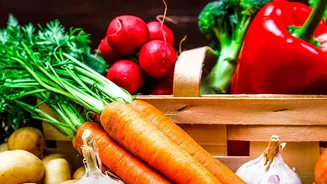
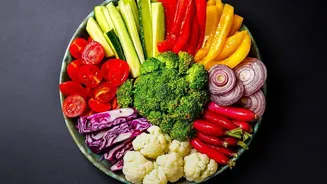
Flexibility in the kitchen also means maximising the value of everything you buy. This is about fighting food waste, which is essentially throwing money away. Get creative with parts of vegetables you might normally toss. Broccoli and cauliflower stems can be peeled and diced for stir-fries or blended into soups. The leafy tops of carrots can be used to make a flavourful pesto. Vegetable peels and ends that are clean can be collected in a bag in the freezer and used to make a nutritious homemade stock. This ‘use-it-all’ philosophy not only stretches your grocery budget but also adds new flavours and nutrients to your meals, turning what was once waste into a valuable kitchen resource.