





The Problem with All-or-Nothing
For years, the wellness narrative has been clear: sugar is the enemy. This has led many to adopt an all-or-nothing approach, trying to cut out sugar entirely. However, this strategy often backfires. Studies on food restriction show that extreme dieting
can lead to a preoccupation with food, intense cravings, and even binge eating when willpower eventually wears thin. This cycle of restriction and overindulgence is not only stressful but also unsustainable. A more moderate, realistic approach can lead to a healthier long-term relationship with food, allowing for enjoyment without the guilt and subsequent loss of control.
Thinking of Sugar as Flavour
Instead of viewing sugar as a bulk ingredient, think of it as a flavour enhancer, much like salt or a potent spice. Its role in cooking goes far beyond just making things sweet. A small amount of sugar can balance the acidity of a tomato sauce, reduce the bitterness of cocoa, and even enhance the natural fruit flavours in a dessert. It helps create appealing textures and the golden-brown crust on baked goods through caramelization and the Maillard reaction. By focusing on using sugar for these functional and flavour-enhancing properties, you naturally start using less of it. The goal shifts from overwhelming sweetness to a more complex and balanced taste profile.
A Guide to Flavourful Sugars
Not all sugars are created equal when it comes to flavour. While white refined sugar offers pure sweetness, other varieties bring their own unique character to a dish.
- Jaggery (Gur): A staple in Indian households, jaggery has a rich, earthy, and almost smoky flavour with notes of caramel. It is less refined than white sugar and works beautifully in both sweets and savoury dishes.
- Honey: The flavour of honey varies dramatically depending on the flowers the bees visited. It can be light and floral or dark and robust, adding a distinct aromatic quality that white sugar lacks.
- Maple Syrup: With its unmistakable woody and vanilla notes, pure maple syrup is excellent for more than just pancakes. It adds a deep, complex sweetness to marinades, sauces, and baked goods.
- Muscovado & Demerara: These are less-refined cane sugars that retain some of their natural molasses. Muscovado is dark, sticky, and has a strong toffee-like flavour, while Demerara offers a lighter, crunchy texture and a subtle molasses taste.
Smart Swaps and Reductions
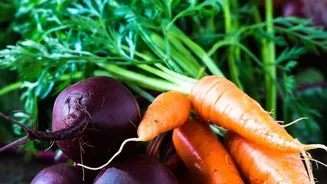
Reducing sugar doesn't have to mean bland food. Often, you can cut the sugar in a recipe by a quarter or even a third without a noticeable loss in quality. Beyond that, focus on adding flavour from other sources. Spices like cinnamon, nutmeg, cardamom, and vanilla can create a perception of sweetness. The zest of a lemon or orange can brighten up a dish, providing a complex flavour that reduces the need for sugar. Pureed fruits like bananas or unsweetened applesauce can replace some sugar in baking while adding moisture and nutrients. Even ingredients you might not expect, like beets or coconut, can lend a natural sweetness to dishes.
Decoding Labels for Hidden Sugars
One of the biggest challenges in managing sugar intake is identifying it in packaged foods. In India, food labels can be confusing. The first step is to ignore the claims on the front of the package like "natural" or "healthy" — these are often just marketing. Flip the package over and read the ingredients list. Ingredients are listed by weight, so if sugar or one of its many aliases (corn syrup, sucrose, dextrose, maltodextrin) is in the first few ingredients, the product is high in sugar. Be wary if a product lists multiple types of sugar; this is a common trick to avoid having 'sugar' as the first ingredient. Also, check the 'Total Sugar' per 100g on the nutrition panel—anything over 10-12g is significant.