


A Four-Year Probe Comes to an End
The U.S. National Highway Traffic Safety Administration (NHTSA) has officially closed its investigation into the phenomenon known as "phantom braking" in Tesla vehicles. The probe, which began in February 2022, was launched after a spike in reports from
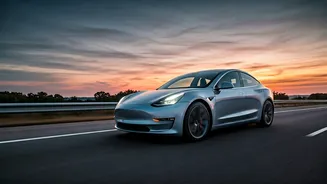
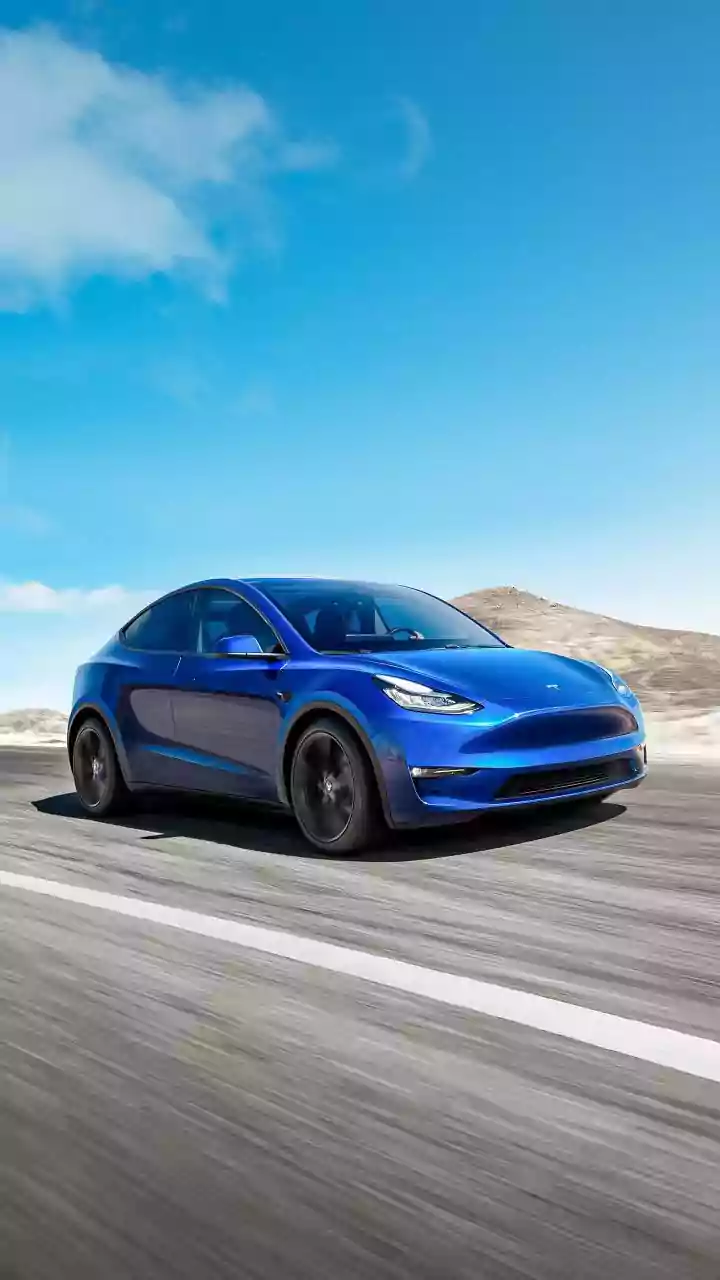
owners of Model 3 and Model Y vehicles from the 2021 and 2022 model years. At its peak, the agency had received over 300 complaints from drivers whose cars would suddenly decelerate at highway speeds for no apparent reason. After a lengthy review covering an estimated 695,000 vehicles, the agency concluded its evaluation, citing a sharp decline in new complaints and a low demonstrated safety risk.
What is Phantom Braking?
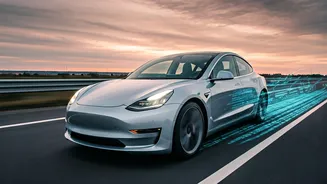
The issue centered on Tesla's driver-assistance systems, including Autopilot, Full Self-Driving, and Traffic-Aware Cruise Control. Drivers reported that while using these features, their car would sometimes brake abruptly and forcefully, as if reacting to an obstacle that wasn't there. These events typically involved a speed reduction of 10-20 mph over a few seconds. While jarring, the NHTSA investigation found that the incidents did not lead to drivers losing control or the vehicles departing from their lanes. Crucially, the agency determined that no collisions, injuries, or fatalities were tied to the phantom braking events under review.
From Hundreds of Complaints to Single Digits
The data shows a remarkable turnaround. The surge to over 300 complaints that triggered the investigation in early 2022 has dwindled significantly over time. According to NHTSA's findings, reported incidents fell to 45 in 2024, then to 19 in 2025. In the first half of 2026, only three related complaints have been filed. This dramatic reduction was a key factor in the agency's decision to close the preliminary evaluation. It suggests that the measures Tesla has taken have been largely effective in mitigating the problem across its fleet.
The Vision-Only Shift and Software Fixes
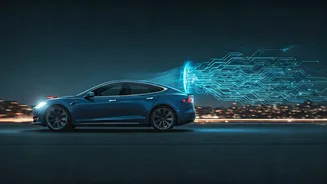
Investigators pointed to a likely cause for the initial spike in phantom braking incidents: Tesla's transition away from using radar in its sensor suite. In mid-2021, the company shifted to a camera-based "Tesla Vision" system. The NHTSA noted that the timing of this shift aligned with the increase in complaints, suggesting the vision-only system may have been more prone to misinterpreting its surroundings, such as shadows or overpasses, as hazards. In response, Tesla deployed a series of over-the-air software updates in early 2022 specifically designed to address the unexpected deceleration behavior. The subsequent drop in complaints indicates these software fixes successfully resolved the issue for the vast majority of affected owners.
What This Means for Tesla and its Drivers
The closure of the investigation is a significant regulatory win for Tesla, removing a cloud that has hung over its driver-assistance technology for years. For owners of the affected 2021-2022 vehicles, it serves as confirmation that the software updates they received have addressed the core problem. While NHTSA noted that closing the probe doesn't preclude future action if circumstances change, it has for now determined that the issue does not represent a significant safety defect. The episode stands as a major case study in the modern era of software-defined vehicles, where a widespread issue can be identified, addressed, and rectified across hundreds of thousands of cars without requiring a physical recall.