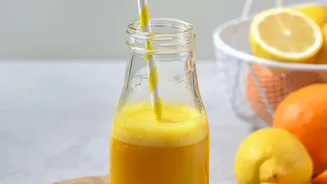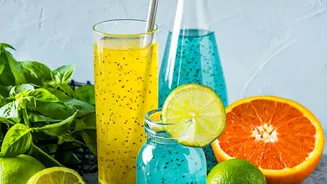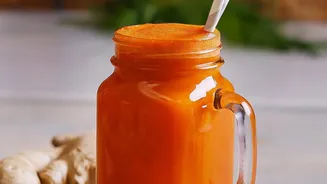





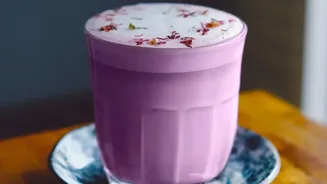

What is the 'Glow Drink' Trend?
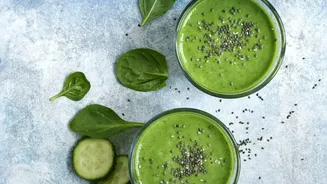
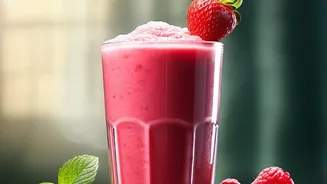
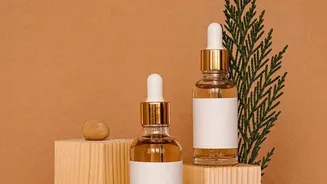
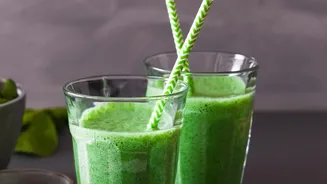
At its heart, the trend is simple: take your favourite daily beverage and give it a beauty boost. It involves adding a scoop of powdered or a few drops of liquid supplement to coffee, tea, smoothies, or even plain water. The goal is to nourish your skin,
hair, and nails from the inside out, turning a daily ritual into a beauty treatment. This approach, often called “ingestible skincare,” has exploded in popularity, fueled by social media and a growing interest in holistic wellness. The promise is alluring – achieving radiant skin with minimal effort by enhancing drinks you already enjoy.
The Star Ingredients
Several key players dominate the glow-drink scene. Collagen is the undisputed star, a protein praised for its potential to improve skin elasticity and hydration. Hyaluronic acid is another favourite, renowned for its ability to help the skin retain moisture, giving it a plump and hydrated look. Biotin (a B vitamin) is frequently included for its role in strengthening hair and nails. Finally, antioxidants like Vitamin C and E are popular additions, valued for their ability to protect the skin from damage caused by free radicals.
The Science: Does It Really Work?
This is the all-important question, and the answer is mixed. For hydrolyzed collagen, some research is promising. A number of studies and meta-analyses have found that regular supplementation can indeed improve skin hydration and elasticity after several weeks of consistent use. However, the evidence for other ingredients is less clear. For example, studies on oral biotin show little benefit unless a person has an actual deficiency, which is rare. There is also debate about how heat from a hot coffee might affect collagen peptides, with some experts suggesting it could diminish their effectiveness, while others state that typical brewing temperatures are not high enough to cause degradation. Experts caution that results depend heavily on the supplement's quality, dosage, and a person's individual genetics and lifestyle.
Risks and What to Watch Out For
The world of dietary supplements is not as tightly regulated as pharmaceuticals. This means manufacturers don't have to prove their products are safe or effective before they hit the shelves. This lack of oversight can lead to issues with product quality, inaccurate ingredient lists, and even contamination. Some supplements can also interact with prescription medications or interfere with lab test results—high doses of biotin, for example, are known to skew thyroid hormone tests. Moreover, some beauty supplements contain high doses of certain vitamins like A and E, which can ironically lead to hair loss if taken in excess. It's also important to remember that these supplements can be expensive, and they are not a substitute for a healthy diet and a solid skincare routine, including consistent sunscreen use.
A Smart and Safe Approach
If you're curious to try the glow-from-within trend, a cautious and informed approach is best. The most crucial first step is to talk to a board-certified dermatologist or a healthcare provider. They can help determine if you have any nutritional deficiencies and advise on whether a supplement is appropriate for you. When choosing a product, look for brands that undergo independent, third-party testing to verify the purity and potency of their ingredients. Manage your expectations; these drinks are not magic potions and any potential benefits will take consistent use over several months to appear. Ultimately, the truest glow comes from a balanced lifestyle that includes a nutritious diet, regular exercise, adequate sleep, and a proven topical skincare regimen.