






The Superfood Myth
The term 'superfood' is more of a marketing buzzword than a scientific classification. It’s used to describe foods supposedly packed with exceptional nutritional benefits. While items like quinoa, chia seeds, and açaí berries do contain valuable nutrients,
their high price point can make healthy eating seem inaccessible. The truth is, no single ingredient can single-handedly transform your health. A balanced and varied diet built on affordable, accessible foods is far more effective than relying on a few trendy, expensive items. The real nutritional heroes are often the humble, everyday staples that have nourished people for generations.
Swap Quinoa for Lentils
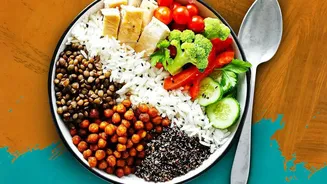
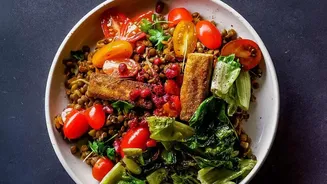
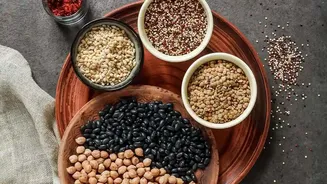
Quinoa gained fame for being a complete protein, a rarity in the plant world. However, it comes with a significantly higher price tag than many other pantry workhorses. Enter the humble lentil. Per 100 grams, cooked lentils offer roughly double the protein of cooked quinoa (about 9 grams vs. 4.4 grams) and nearly three times the dietary fibre. Lentils are also an excellent source of iron and folate. While not a complete protein on their own, pairing lentils with a grain like brown rice creates a complete protein profile, making them an incredibly powerful and budget-friendly foundation for meals like soups, stews, and salads.
Choose Oats Over Chia Seeds
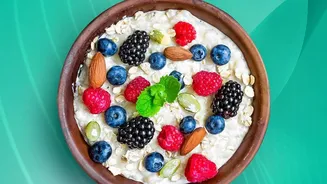
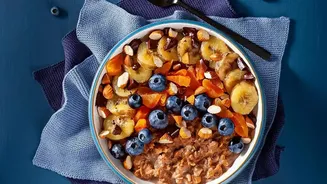
Chia seeds are celebrated for their high fiber and omega-3 fatty acid content. But traditional rolled oats are a formidable and more affordable alternative. Oats are rich in a specific type of soluble fiber called beta-glucan, known to support heart health by helping manage cholesterol. While chia seeds are denser in overall fiber and calcium, oats provide more volume, which can lead to greater feelings of fullness. A warm bowl of oatmeal is also a great source of iron and provides steady, complex carbohydrates for lasting energy. For a supercharged breakfast, consider combining them: adding just a spoonful of chia seeds to your morning oatmeal gives you the benefits of both worlds.
Embrace Canned Fish
The price of fresh salmon can be daunting, but its canned counterparts offer similar, if not identical, nutritional benefits at a fraction of the cost. Canned fish like salmon, tuna, and sardines are packed with high-quality protein and essential omega-3 fatty acids, which are crucial for heart and brain health. They are also a fantastic source of vitamin D and B12. If you choose varieties with the bones in, like sardines or some canned salmon, you get a significant, easily absorbable calcium boost. Look for fish packed in water or olive oil to avoid excess sodium and unhealthy fats.
Stocking Your Smart Pantry
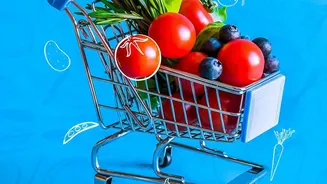
Building a healthy, affordable pantry is about strategy. Start by planning your meals for the week before you shop to avoid impulse buys and reduce food waste. Focus on versatile basics: dried and canned beans, whole grains like oats and brown rice, and root vegetables like potatoes and carrots, which are inexpensive and have a long shelf life. Don’t overlook the freezer aisle; frozen fruits and vegetables are picked at peak ripeness and are just as nutritious as fresh, often for a lower price. Finally, learn to love your local, seasonal produce. Fruits and vegetables that are in season are not only more flavorful but also more abundant and affordable.