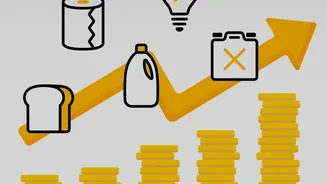








The High-Income Illusion
A substantial salary creates a powerful illusion of wealth, but income and wealth are two different things. Income is what you earn for your time and effort; it stops when you stop working. Wealth is what you own—assets that generate value and income independently.
Many high earners fall into a trap where their spending expands to match their new, larger income. This phenomenon, known as lifestyle inflation, is one of the biggest obstacles to building real financial security. Each pay raise is quietly absorbed by a bigger house, a newer car, or more frequent fine dining. While none of these upgrades feel extravagant on their own, they collectively create a new, higher cost of living that consumes the surplus cash that could have been used for investing. The result is running faster on a financial treadmill but not actually getting ahead.
What Did Not Change: The Timeless Pillars
The fundamental formula for wealth creation has remained remarkably consistent over time. It boils down to a few core principles that are as true today as they were fifty years ago. The first is the simple discipline of spending less than you earn. This creates the necessary surplus to save and invest. The second pillar is consistency. Wealth is rarely built overnight; it is the result of small, regular habits repeated over many years. Finally, the magic ingredient is compounding. Allowing your investments to generate returns, and then earning returns on those returns, is what creates exponential growth. These principles are not exciting, but they are effective. Financially successful people, whether on a modest or high income, understand that discipline often matters more than the size of their salary.
What Changed: The Modern Financial Landscape
While the core principles are timeless, the environment in which we apply them has changed significantly. Today's high earners face unique pressures. The pressure to 'keep up with the Joneses' is amplified by social media, creating a constant and visible benchmark for spending. Furthermore, rising costs for housing, education, and healthcare mean that even large salaries don't go as far as they used to. The accessibility of credit and 'buy now, pay later' schemes makes it easier than ever to finance a lifestyle that your cash flow can't truly support. In the Indian context, a 2025 survey revealed that a startling 43% of high-net-worth individuals save less than 20% of their income, often due to lifestyle pressures and complex financial products. However, the modern era also brings new opportunities. The rise of fintech apps has democratised investing, making it easier than ever to automate savings and access diverse asset classes.
From Income to Wealth: Making the Shift
Converting a high income into lasting wealth requires a conscious shift in mindset from earning to owning. The first step is to create structure. Instead of saving what's left after spending, successful wealth builders 'pay themselves first'. This means treating savings and investments as non-negotiable fixed expenses that are automated every month. Setting up automatic transfers to investment or retirement accounts removes willpower from the equation. Secondly, it is crucial to have a clear financial plan. Without a defined goal—like early retirement or financial independence—money tends to disappear into unexamined lifestyle costs. A plan helps guide decisions and turns income into measurable progress. Finally, building a team of trusted professionals, like a financial advisor and a tax expert, can ensure your financial decisions are coordinated and efficient, preventing costly mistakes.