







Embrace ‘Good Enough’ Eating
The first rule of a healthy monsoon is to let go of perfection. The goal isn't to completely avoid your favourite comfort foods but to strike a balance. It's normal to crave pakoras or samosas when it's pouring outside. The key is mindful indulgence rather
than complete restriction. Our digestion naturally slows down in humid weather, making heavy, oily foods harder to process. So, instead of eating fried snacks every day, enjoy them occasionally as a treat. The rest of the time, focus on making small, manageable swaps that support your health without feeling like a sacrifice. This approach is more sustainable and enjoyable, ensuring you don't feel deprived while still taking care of your body.
Build an Immunity-Boosting Pantry
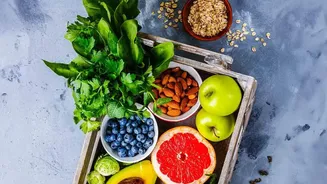
A strong immune system is your best defence during the rainy season. Thankfully, the traditional Indian kitchen is a powerhouse of natural immunity enhancers. Stock your pantry with ingredients that are known for their antimicrobial and anti-inflammatory properties. Spices like turmeric, ginger, garlic, and black pepper should be used generously in your daily cooking. These not only add warmth and flavour but actively help your body fight off infections. Herbal teas made with tulsi, ginger, and lemon are excellent for staying hydrated and boosting immunity. Seasonal fruits like pomegranates, pears, and jamun are also great choices as they are rich in Vitamin C and antioxidants.
Prioritise Warm, Cooked Meals
According to both traditional wisdom and modern nutrition, warm, freshly prepared food is ideal for the monsoon. Your digestive fire, or Agni, is considered weaker during this season, making it harder to break down raw or cold foods. This is why experts advise limiting raw salads and uncooked vegetables, which can carry a higher risk of microbial contamination from damp soil and humid storage conditions. Instead, opt for comforting, light, and easy-to-digest meals. Think warm vegetable soups, steamed vegetables, and classic one-pot dishes like khichdi. A simple meal of dal-rice or a nourishing vegetable stew provides comfort and is gentle on the stomach.
Rethink Your Cooking Methods
Cravings for crunchy snacks are real, but deep-frying isn't the only way to satisfy them. High humidity can cause cooking oils to spoil faster, and excessive oil can lead to indigestion. Modern kitchen appliances offer healthier alternatives. Try baking your samosas or air-frying your pakoras; you’ll get a satisfying crunch with significantly less oil. Steaming is another excellent cooking method for monsoon. Dishes like dhokla or steamed vegetables are light, nutritious, and easy on the digestive system. When you do fry, ensure the oil is fresh and consumption is moderate. These simple shifts allow you to enjoy your favourite textures without the digestive distress.
Handle Cravings Smartly
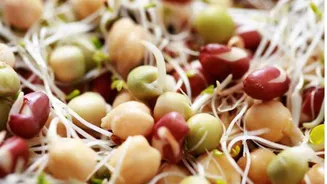
The allure of street food is strongest during the monsoon, but so is the risk of waterborne diseases. Contamination from unclean water and exposure to the humid air makes roadside chaat, juices, and cut fruits particularly risky. A safer and equally delicious strategy is to recreate these favourites at home. Preparing chaat with cooked sprouts instead of raw ones, or making paneer bhurji pav in your own kitchen, gives you control over hygiene and ingredients. When you crave something tangy, opt for a cooked chutney like a tamarind sonth chutney over a raw green one. This way, you satisfy the craving without gambling with your health.
Hydrate with Warmth
While you may not feel as thirsty in the cooler, damp weather, staying hydrated remains crucial. Cold or iced drinks can further dampen your digestive system. The best choice is to sip on warm or boiled water throughout the day to prevent waterborne infections. Herbal teas, clear soups, and broths are fantastic options that hydrate, warm you from within, and aid digestion. A simple pepper rasam or a light lentil soup not only provides nourishment but also delivers the comforting warmth your body appreciates during this season.